Follow Me On Social Media!
Creamy Cajun Chicken Spaghetti: The Science of “Spiced Lipid Emulsion”

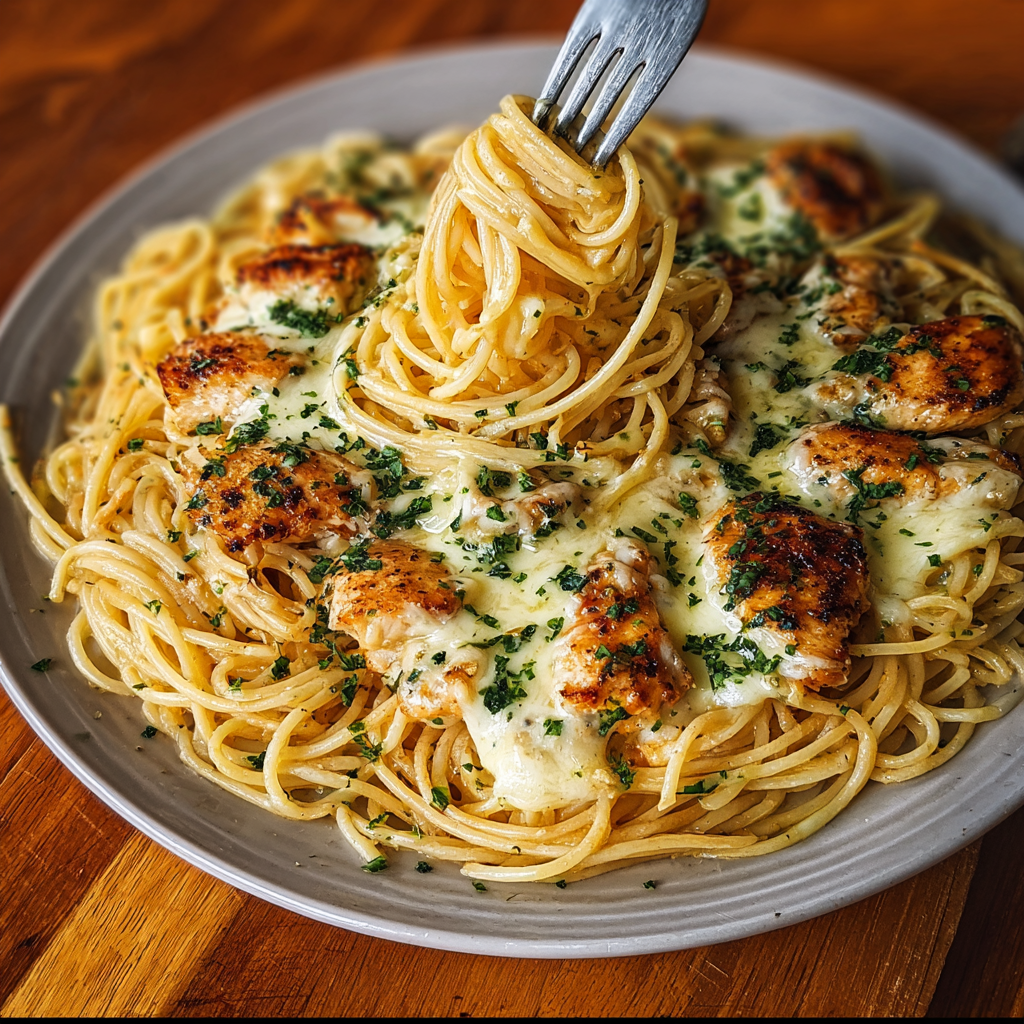
This dish is a study in Chemical Heat Management and Starch-Stabilized Dairy. Cajun seasoning relies heavily on Capsaicin and Piperine (from peppers), which are fat-soluble. By integrating these spices into a Garlic Mozzarella Sauce, the milk fats encapsulate the heat molecules, allowing the flavors to bloom on the palate without overwhelming the taste buds.
The “Garlic Mozzarella Sauce” is technically a Mornay-style variant, where we utilize the low melting point of Mozzarella ($55$°C to $65$°C) to create a “stringy” but smooth emulsion.
Ingredients List: The Flavor-Viscosity Matrix
- 12 oz Spaghetti: The Science: The long surface area of spaghetti allows for maximum “sauce-drag” (viscosity).
- 1 lb Chicken Breast: Cubed.
- 2 tbsp Cajun Seasoning: (Paprika, cayenne, garlic powder, oregano, thyme).
- 1 cup Heavy Cream: The primary lipid carrier.
- 1 ½ cups Shredded Mozzarella: For the viscoelastic stretch.
- 4-6 cloves Garlic: Minced (The source of Allicin pungency).
- ½ cup Parmesan: Provides Umami and acts as a secondary emulsifier.
- ½ cup Pasta Water: Essential for Starch-Bonding.
Timing: Data-Driven Efficiency
| Phase | Duration | Data Insight |
| The Protein Sear | 6 Minutes | High heat ($175$°C+) triggers the Maillard Reaction for flavor. |
| The Garlic Bloom | 1 Minute | Fat-soluble aromatics are released into the residual chicken oil. |
| The Emulsion | 4 Minutes | Gradual addition of cheese prevents the sauce from “breaking.” |
| Total Time | Approx. 20 Minutes | High-intensity comfort meal. |
Step-by-Step Instructions
Step 1: The Spice Infusion
Toss the cubed chicken in the Cajun seasoning. Sauté in a large skillet over medium-high heat until golden and cooked through. Actionable Tip: Remove the chicken and set aside. The Logic: This prevents the chicken from overcooking (becoming “rubbery”) while you build the delicate cheese sauce in the same pan.
Step 2: The Aromatic Base
In the residual oil (now infused with Cajun spices), add the minced garlic and a knob of butter. The Science: Garlic contains sulfur compounds that soften into a sweet, nutty profile when heated gently in fat. Do not let it turn brown/bitter.
Step 3: The Cream-Starch Synthesis
Pour in the heavy cream and bring to a gentle simmer. Whisk in a splash of the starchy pasta water. The Physics: The amylose starch from the water acts as a stabilizer, preventing the dairy from separating when the acidic Cajun spices hit the cream.
Step 4: The Mozzarella Integration
Lower the heat to low and gradually whisk in the Mozzarella and Parmesan. Crucial Rule: Do not boil the sauce once the cheese is added. The Chemistry: High heat causes the protein in Mozzarella to “clump” and the fat to “leak,” resulting in a grainy sauce. Keeping it just below boiling ensures a smooth, stretchy texture.
Step 5: The Final Fusion
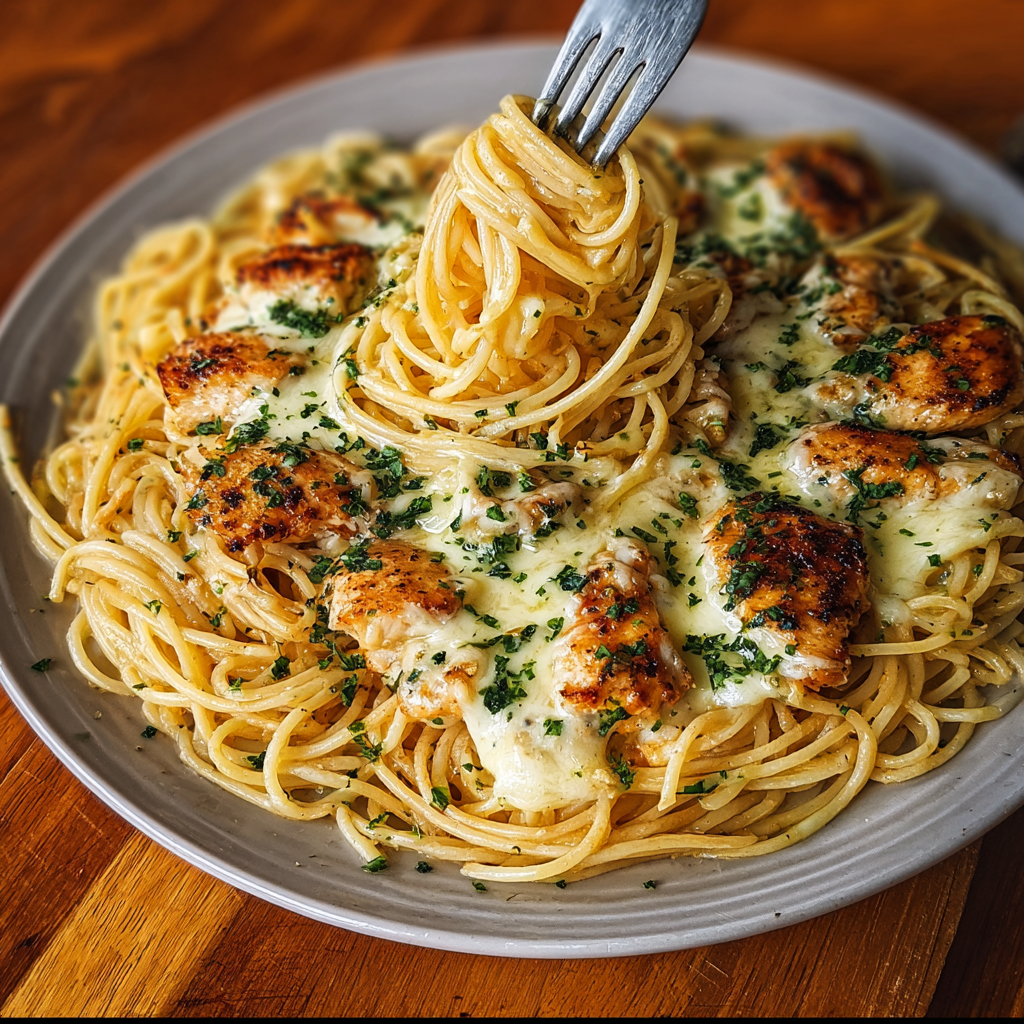
Return the chicken to the pan and toss with the cooked spaghetti. Visual Cue: If the sauce is too thick, add more pasta water 1 tablespoon at a time until it “glosses” the noodles perfectly.
Success Tips & Common Mistakes
- The “Grainy” Fail: Often caused by using pre-shredded cheese. The Hack: Pre-shredded cheese is coated in potato starch or cellulose to prevent clumping in the bag. This prevents it from melting smoothly. For the best “Mozzarella pull,” grate it fresh from a block.
- The “Bland” Fail: Cajun spices lose potency when stored in heat/light. If your sauce tastes dull, add a squeeze of Lemon Juice. The acidity acts as a flavor “amplifier,” making the salt and spices taste more prominent.
- The “Greasy” Fail: If your sauce has oil pooling on top, the emulsion has broken. To fix it, add a splash of warm cream and whisk vigorously over very low heat.
Nutritional Information (Per Serving)
- Calories: 640 kcal.
- Protein: 38g.
- Total Fat: 32g.
- Carbohydrates: 48g.
Conclusion
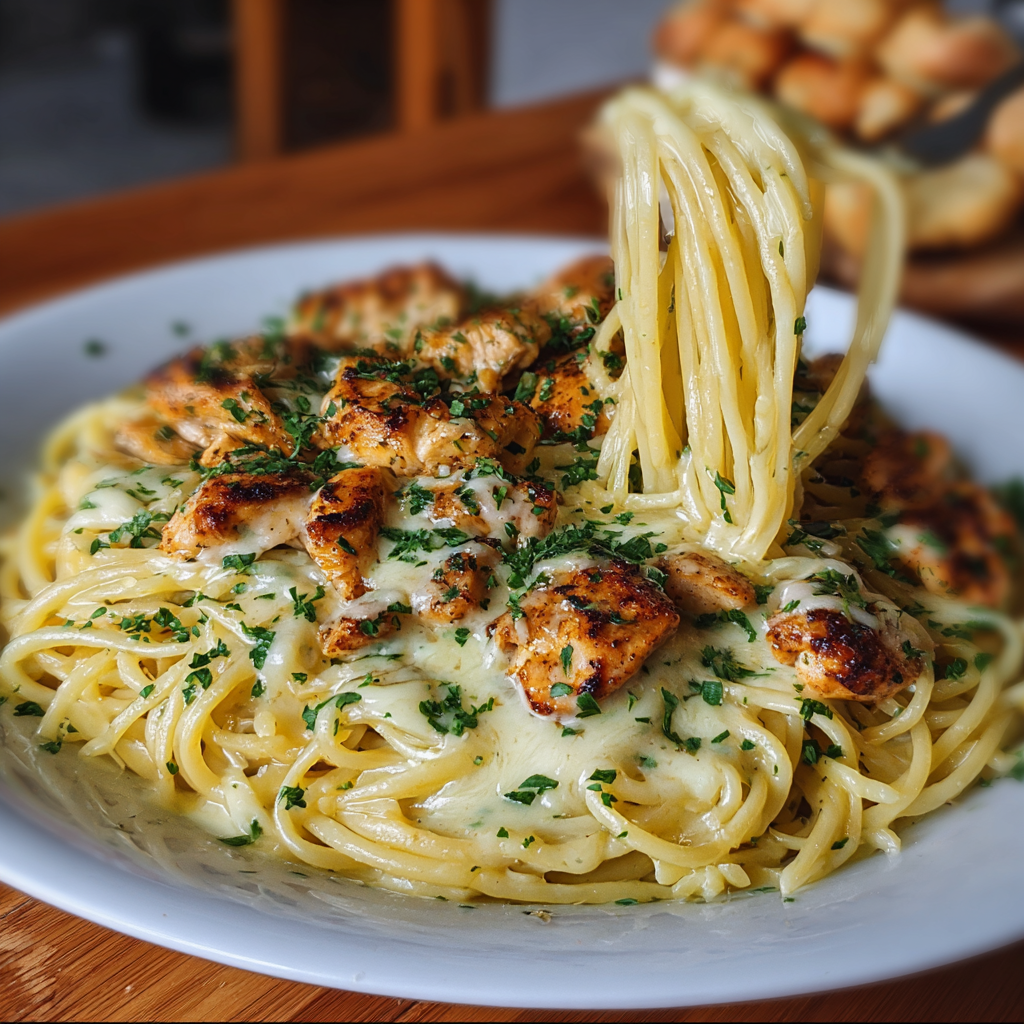
Creamy Cajun Chicken Spaghetti is a masterclass in balancing high-intensity heat with cooling dairy lipids. By protecting the cheese emulsion from high heat and utilizing starchy pasta water, you create a restaurant-grade sauce that perfectly carries the bold flavors of the Bayou.