Follow Me On Social Media!
The Architect’s Crumb: Double Chocolate Espresso Coffee Cake

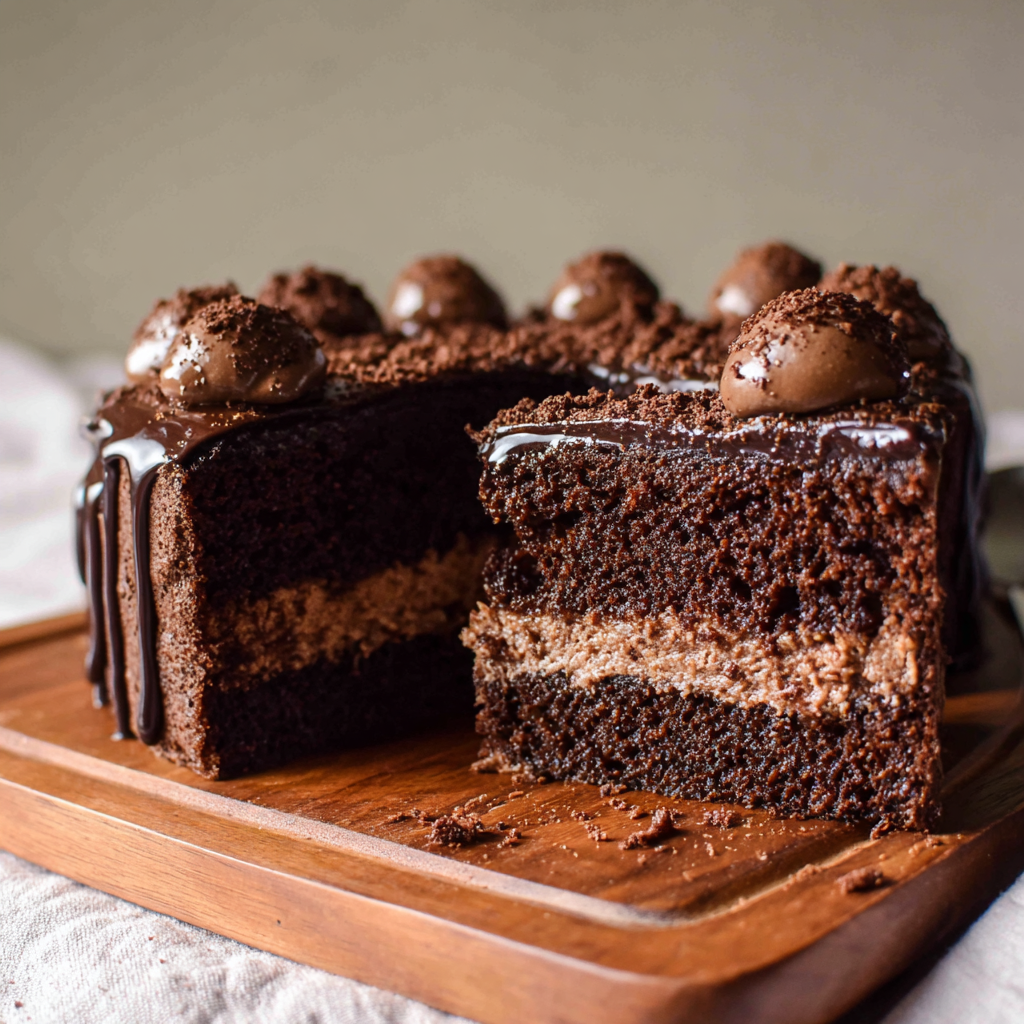
The Gastronomic Architecture of the “Mocha Matrix”
In the landscape of high-end pastry, a Chocolate Coffee Cake represents a sophisticated study in hygroscopy and aromatic synergy. Unlike a standard sponge, this cake is engineered for a High-Density Crumb—a structural necessity to support the heavy, buttery weight of a chocolate streusel. Data from flavor chemistry indicates that the integration of brewed espresso does not merely add a “coffee” flavor; it acts as a chemical catalyst that lowers the perception of bitterness in cocoa while intensifying its fruity, floral undertones.
The technical challenge of this loaf is crumb-moisture equilibrium. By utilizing sour cream or Greek yogurt, you introduce lactic acid to tenderize the gluten, ensuring the cake remains “tight-grained” and velvety rather than airy and dry.
The Essential Mise en Place: Technical Specs
To achieve a restaurant-grade finish, the temperature of the dairy and the “bloom” of the cocoa are the most critical factors.
The Aromatic Base (The Cake)
- Dutch-Processed Cocoa Powder (40g / ½ cup): Technical Requirement: “Bloom” the cocoa by whisking it into hot coffee before adding to the batter. This releases fat-soluble flavor compounds.
- Strong Brewed Espresso (120ml / ½ cup): Must be hot to activate the cocoa.
- Full-Fat Sour Cream (120g / ½ cup): Provides the necessary acidity for a tender crumb.
- All-Purpose Flour (250g / 2 cups): Provides the structural “lattice” for the heavy streusel.
The “Crunch” Stratum (The Streusel)
- Cold Unsalted Butter (60g): Cubed. Cold butter is essential for the “rub-in” method to create distinct, sandy clumps.
- Dark Chocolate Chunks (100g): Use 70% cacao for a sophisticated, less-sugary profile.
- Brown Sugar & Cinnamon: To provide a caramelized, aromatic crust.
The Masterclass: Step-by-Step Culinary Execution
Phase 1: The “Cocoa Bloom”
Whisk the cocoa powder into the hot espresso until smooth. Let it cool slightly. This step is a professional “flavor-extraction” technique; it ensures the chocolate profile is deep and uniform rather than dusty or muted.
Phase 2: The “Reverse-Creaming” Emulsion
Beat the softened butter and sugars until pale and aerated. Add the eggs one at a time. Whisk in the sour cream and the cooled coffee-cocoa mixture. The batter should look glossy and thick, resembling a heavy ganache.
Phase 3: The “Sand-Rub” Streusel
In a separate bowl, rub the cold butter into the flour, sugar, and cinnamon using your fingertips until it resembles coarse breadcrumbs. Fold in the chocolate chunks. Pro Tip: Keep the streusel in the refrigerator until the exact moment of assembly to maintain the “clump” integrity during the bake.
Phase 4: The Stratified Bake
Pour half the batter into a greased loaf or bundt pan. Sprinkle half the streusel. Pour the remaining batter and top with the rest of the streusel. Bake at 175°C (350°F) for 45–55 minutes. The “middle layer” of streusel will melt slightly, creating a decadent “vein” of chocolate and cinnamon.
Common Technical Pitfalls to Avoid
- The “Sunken” Center: This happens if the batter is over-mixed once the flour is added. Fold in the dry ingredients gently until just combined.
- Dry Crumb: Usually caused by over-baking. Pull the cake when a toothpick has a few “moist crumbs” attached—not when it comes out bone-dry.
- Burnt Streusel: If the top is browning too fast, tent the pan loosely with aluminum foil for the final 15 minutes of baking.
Conclusion: A Masterpiece of Texture and Depth
Double Chocolate Espresso Coffee Cake is a testament to the fact that simple ingredients can be elevated through thermal and chemical precision. By mastering the “bloom” and the “cold-rub” streusel, you produce a cake that offers a multi-sensory experience: the crunch of the crust, the velvet of the crumb, and the lingering warmth of the espresso.
Frequently Asked Questions (Q&A)
| Question | Expert Answer |
| Can I use instant coffee? | Yes. Dissolve 2 tablespoons of instant espresso powder in ½ cup of boiling water. |
| How do I store this? | Wrap tightly in plastic wrap. Due to the sour cream, it stays moist for up to 4 days at room temperature. |
| Why use sour cream? | It provides fat and acidity without the thinning effect of milk, resulting in a richer, denser cake. |
Export to Sheets