Follow Me On Social Media!
The Physics of the Crunch: Ultra-Crispy Potato Wedges

The Gastronomic Architecture: Gelatinization and Surface Dehydration
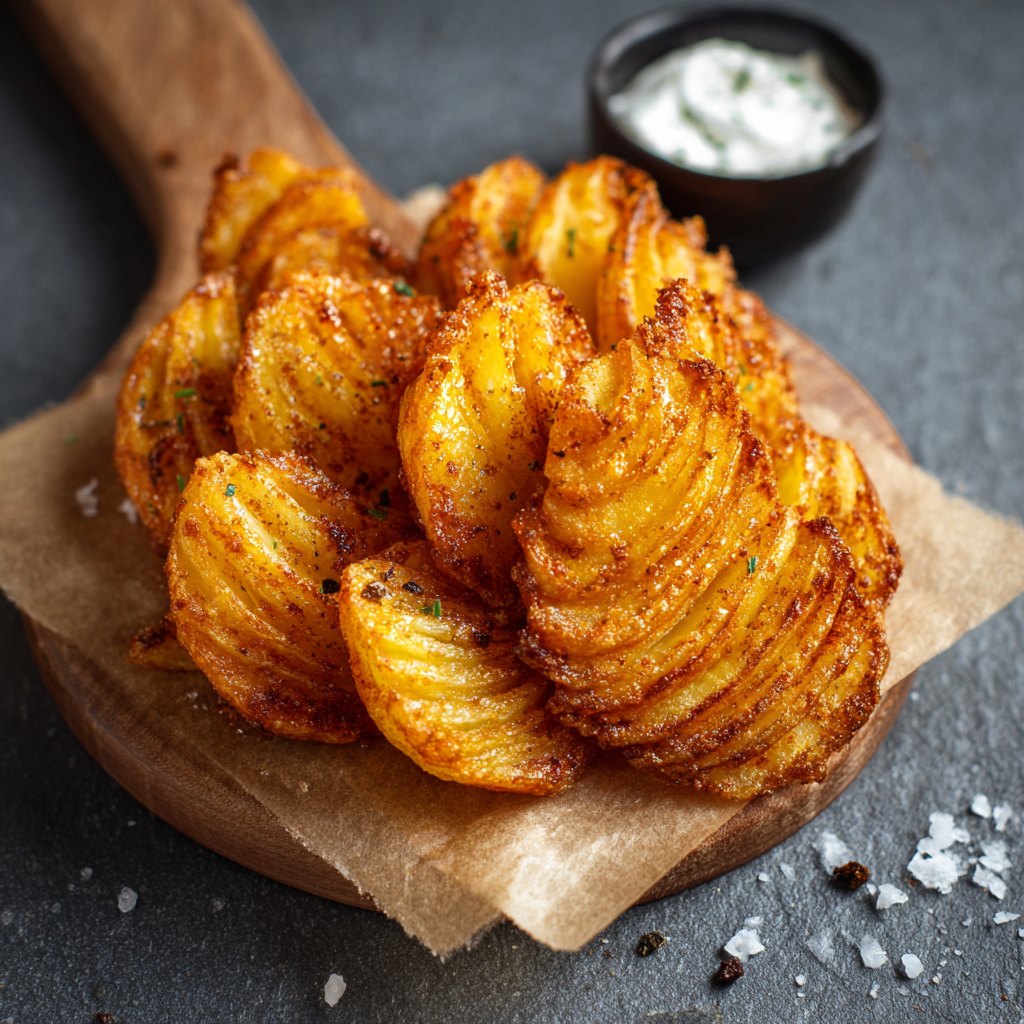
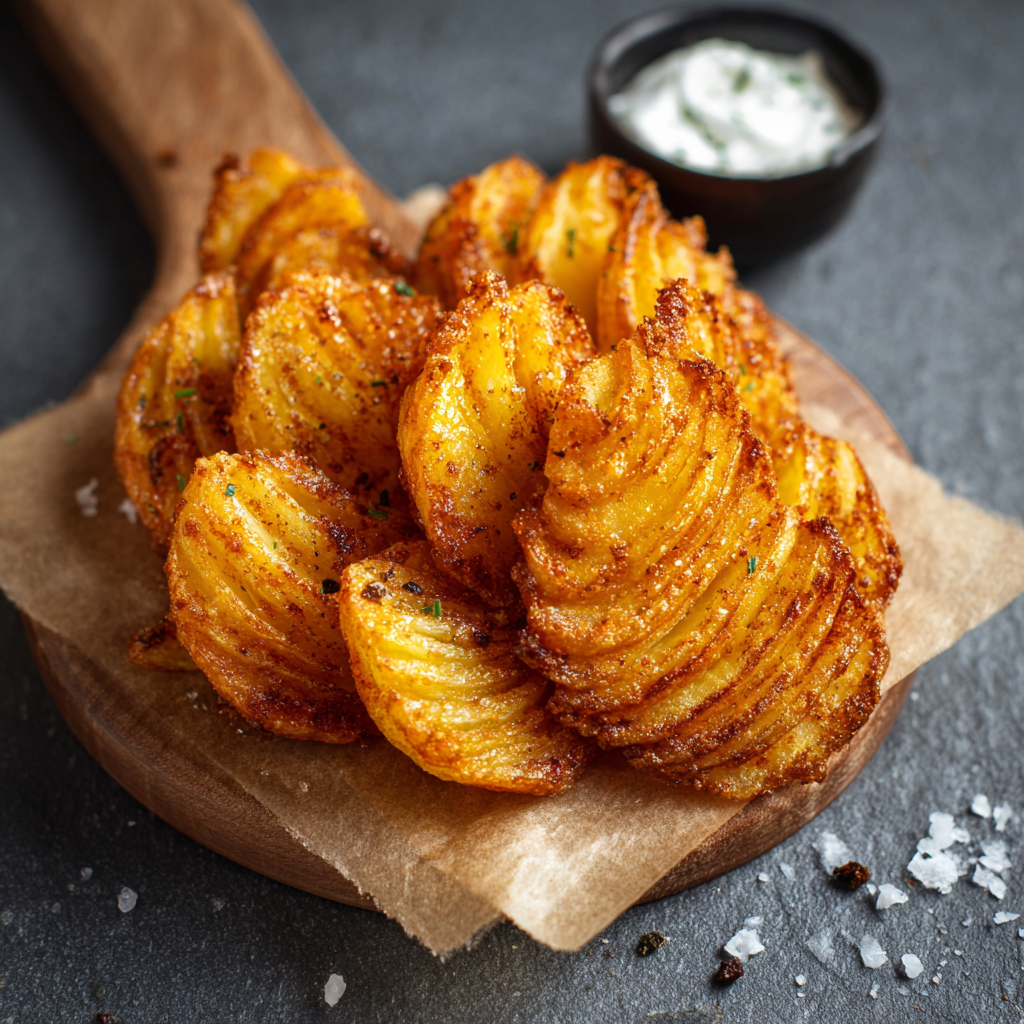
In the hierarchy of side dishes, the Extra Crispy Potato Wedge represents a sophisticated study in Starch Retrogradation and Moisture Migration. The technical challenge lies in the “Internal-External Contrast”: you must achieve a fully hydrated, fluffy interior while creating a thick, “shatter-crisp” dehydrated crust.
Data from food science indicates that a Par-boil in Alkaline Water is the most critical intervention. By adding baking soda to the boiling water, you break down the potato’s exterior pectin, creating a starchy “slurry.” This slurry, once tossed in fat, fries into an uneven, high-surface-area crust that delivers maximum crunch.
The Essential Mise en Place: Technical Specs
To achieve a restaurant-grade “snap,” the starch content of the potato and the thermal conductivity of your roasting surface are the most critical factors.
The Foundation (The Spud)
- Russet or Maris Piper Potatoes (1 kg): Technical Requirement: Use high-starch (floury) potatoes. Their low moisture content and cell structure allow for a drier, crispier exterior and a fluffier “mashed potato” interior.
- Baking Soda (1/2 tsp): To raise the pH of the water and accelerate pectin breakdown.
- Fine Sea Salt: To season the potato from the inside out during the boil.
The Lipid & Spice Matrix
- High-Smoke Point Fat (60ml): Beef tallow, duck fat, or Avocado oil. Animal fats provide superior “crisp-stability” due to their saturated fat content.
- Cornstarch (1 tbsp): Acts as a secondary “crunch-amplifier” by absorbing any residual surface moisture.
- Smoked Paprika, Garlic Powder, & Rosemary: For deep savory top notes.
The Masterclass: Step-by-Step Culinary Execution
Phase 1: The Alkaline Par-Boil
Cut potatoes into uniform wedges (8 per potato). Place in cold water with salt and baking soda. Bring to a boil and cook for 8–10 minutes until the edges are soft but the wedge remains intact.
Phase 2: The “Roughing” Technique
Drain the potatoes and let them steam-dry for 3 minutes. This “Dehydration Phase” is vital; any surface steam will prevent the oil from bonding. Return them to the pot, add your oil and spices, and shake vigorously. You want to see a thick layer of “potato mash” coating the outside of each wedge.
Phase 3: The Thermal Saturation
Preheat a heavy baking sheet at 220°C. Arrange the wedges in a single layer, ensuring they do not touch. This prevents “Steam-Shielding,” where trapped moisture between potatoes keeps the edges soft.
Phase 4: The Maillard Rotation
Roast for 20 minutes, then flip. The underside should be deep golden and release easily. Roast for another 15–20 minutes until the wedges feel light and sound “hollow” or “crispy” when tapped with a spatula.
Common Technical Pitfalls to Avoid
- The “Soggy” Wedge: Caused by overcrowding the pan. If the steam cannot escape, the potato will “stew” in its own moisture rather than fry in the fat.
- Burnt Spices: Garlic powder and dried herbs can scorch. If roasting at very high heat, consider adding the dried herbs in the last 10 minutes of cooking.
- Insufficient Fat: The wedges should be generously coated. The fat is the medium that transfers heat into the starch slurry to create the crust.
Frequently Asked Questions (Q&A)
| Question | Expert Answer |
| Can I use an Air Fryer? | Yes. Set to 200°C and shake the basket every 10 minutes. The high-velocity air is excellent for this “alkaline slurry” method. |
| Why cold water start? | Starting in cold water ensures the potato cooks evenly from the center to the edge, preventing the outside from disintegrating before the inside is ready. |
| Do I need to peel them? | Leaving the skin on provides structural integrity and a secondary textural “snap,” but the alkaline method works with or without skin. |
Export to Sheets