Follow Me On Social Media!
The Flavor Architect: Sheet Pan BBQ Chicken

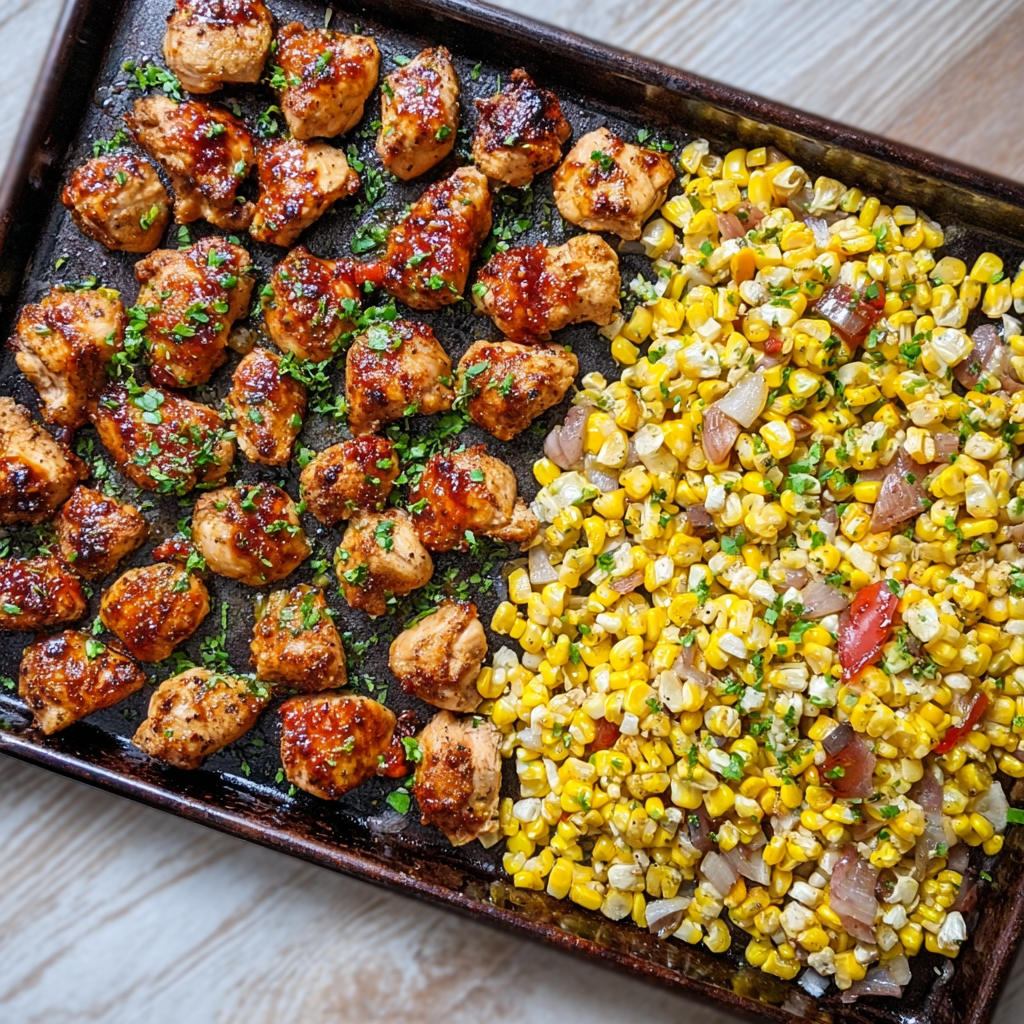
The Gastronomic Architecture: The “Dry-Heat” Lacquer
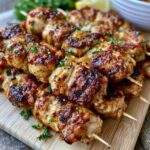
In the hierarchy of efficient weeknight meals, Sheet Pan BBQ Chicken represents a sophisticated study in Thermal Moisture Management and Glaze Carboxylation. The technical challenge of sheet-pan cooking is the “Steam-vs-Sear” paradox: vegetables release water (steam), while chicken requires dry heat to achieve the Maillard reaction. By utilizing a high-surface-area sheet pan at elevated temperatures, you maximize evaporation, allowing the BBQ sugars to dehydrate and “lacquer” onto the protein rather than pooling into a watery sauce.
Data from flavor science suggests the “irresistibility” factor is the Hickory-Sucrose Balance: the smoke profile of the BBQ sauce cuts through the density of the chicken, while the high heat creates a “sticky-sweet” exterior that clings to the muscle fibers.
Essential Mise en Place: Technical Specs
To achieve a restaurant-grade “sticky” finish and crisp-tender vegetables, the uniform size of the components and the “Smoke-Point” of your oil are the most critical factors.
The Foundation (The Protein & Sides)
- Chicken Thighs or Breasts (600g): Technical Requirement: Use boneless, skinless cuts for even cooking. Thighs are superior for sheet pans as their higher lipid content prevents them from drying out during the roast.
- Starchy & Fibrous Matrix: Bell peppers, red onions, and sweet potatoes or broccoli. Expert Tip: Cut denser vegetables (like sweet potatoes) smaller than the chicken to ensure they finish cooking at the same time.
The BBQ Matrix (The Glaze)
- High-Sugar BBQ Sauce (1 cup): The sugar is essential for the “sticky” lacquer effect.
- Acidic Brightener: A splash of apple cider vinegar to cut the sweetness.
- The Aromatic Boost: Garlic powder, smoked paprika, and a pinch of cayenne.
The Masterclass: Step-by-Step Culinary Execution
Phase 1: The “Aromatic-Oil” Coating
Toss the chicken and vegetables in a high-smoke-point oil (avocado or grapeseed) and your dry spices. Technical Requirement: Do not add the BBQ sauce yet. If you bake the sauce for the entire duration, the sugars will burn and turn bitter before the chicken is cooked through.
Phase 2: The High-Radiant Roast
Arrange everything in a single layer on a large, parchment-lined sheet pan. Bake at 200°C for 15–18 minutes. Expert Tip: Space the ingredients out! If the pan is crowded, the moisture from the vegetables will “steam” the chicken, preventing any browning or “snap.”
Phase 3: The “Lacquer-Glaze” Application
Remove the pan from the oven. Brush a generous layer of BBQ sauce over the chicken and toss the vegetables to coat. This “Mid-Cook Application” allows the sauce to reduce and thicken without carbonizing the sugars.
Phase 4: The “Flash-Caramelization” Finish
Return the pan to the oven for a final 5–7 minutes. For a true “Million-Dollar” finish, turn on the broiler (grill) for the last 2 minutes. Watch closely as the sauce begins to bubble and char slightly, creating that signature glossy, sticky coating.
Common Technical Pitfalls to Avoid
- The “Watery” Pan: Caused by using too many high-moisture vegetables (like zucchini) or overcrowding. Ensure at least 1cm of space between items.
- Rubbery Chicken: Usually caused by using breasts and overcooking them. Always pull the pan when the chicken reaches an internal temperature of 71°C; carry-over cooking will do the rest.
- The “Burnt” Sugar: If your BBQ sauce contains honey or high-fructose corn syrup, it will burn rapidly. Only apply it in the final phase of cooking.
Frequently Asked Questions (Q&A)
| Question | Expert Answer |
|---|---|
| Can I use bone-in chicken? | Yes, but bone-in thighs require 35–40 minutes. Roast the vegetables on a separate pan or add them halfway through to prevent them from turning to mush. |
| How do I make the sauce stick? | Pat the chicken bone-dry before oiling. Surface moisture is the enemy of sauce adhesion. |
| What’s the best side? | To balance the smoky sweetness, serve with a Cool Cilantro-Lime Slaw or Cornbread Muffins. |