Follow Me On Social Media!
Caramelized Apple Dessert Cups: The Science of “Polysaccharide Breakdown”

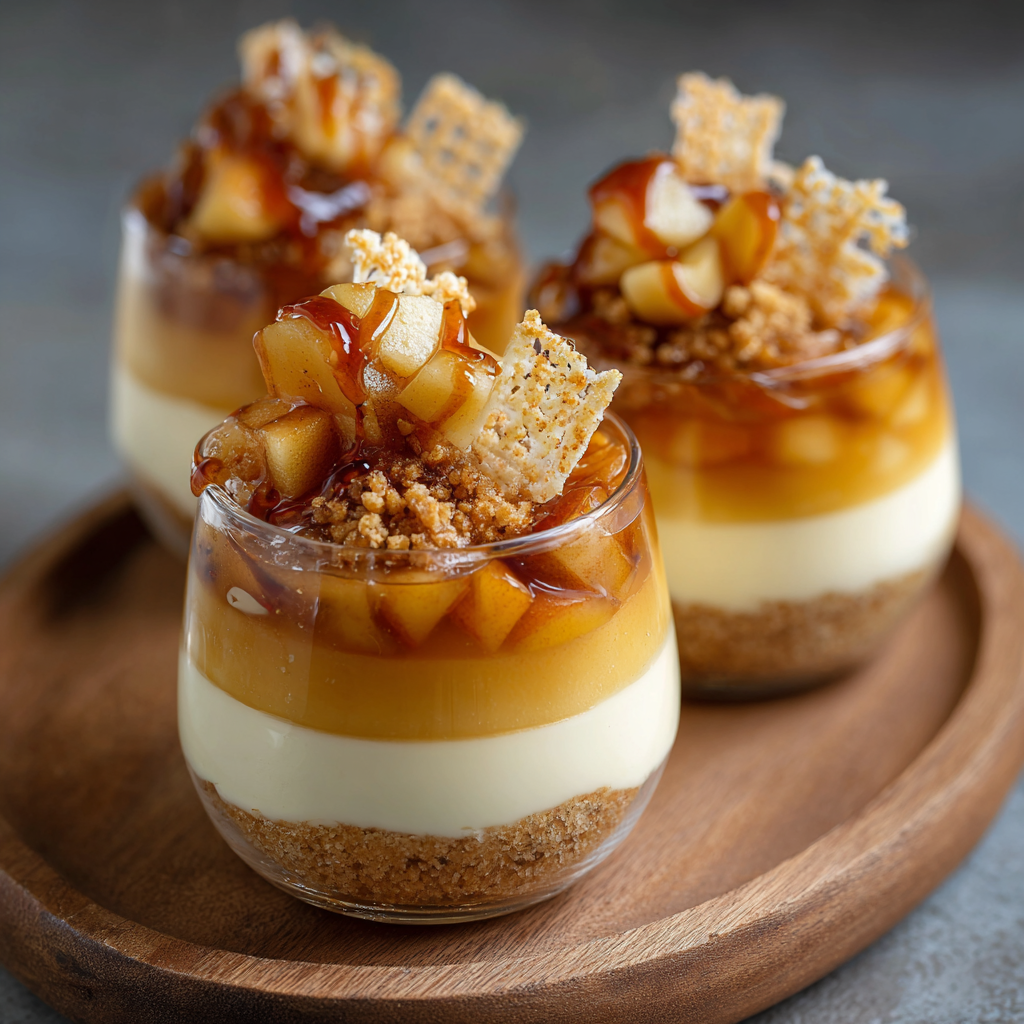
Why This Dessert Hits the “Sweet Spot”
The Caramelized Apple Dessert Cup is a study in Thermal Degradation. When you cook apples with sugar and butter, you are triggering two specific chemical events: Caramelization (the oxidation of sugar at $160$°C) and the Maillard Reaction (the browning of milk solids in the butter).
The challenge is maintaining the apple’s structural integrity. Apples contain protopectin, which acts as the “glue” between cells. By cooking them over medium-high heat with an acid (like lemon juice), we prevent the pectin from breaking down too quickly, ensuring the apple chunks stay “tender-crisp” rather than turning into applesauce.
Ingredients List: The Texture & Flavor Gradient
1. The “Crisp” Vessel (The Cup)
- 10-12 Phyllo Pastry Sheets: Or pre-made phyllo shells.
- 1/2 cup Unsalted Butter: Melted (for “lamination”).
- 2 tbsp Cinnamon Sugar.
2. The Caramelized Core
- 4 Large Apples: (Granny Smith or Honeycrisp are best for their high pectin density).
- 1/2 cup Light Brown Sugar: Provides the molasses-depth.
- 4 tbsp Unsalted Butter.
- 1 tsp Cinnamon & 1/4 tsp Nutmeg.
- 1 tbsp Lemon Juice: The Science: Regulates pH to balance sweetness and preserve color.
3. The Topping (The Lipid Buffer)
- Vanilla Bean Ice Cream or Mascarpone Whipped Cream.
- Salted Caramel Drizzle.
Timing: Data-Driven Efficiency
| Phase | Duration | Data Insight |
| Phyllo Preparation | 10 Minutes | Layers must be brushed with fat to create vapor-pockets for crunch. |
| The Sauté | 8-10 Minutes | Evaporating the fruit’s cellular water concentrates the flavor. |
| The Bake ($190$°C) | 8 Minutes | High heat “sets” the cup’s structure. |
| Total Time | Approx. 30 Minutes | High-efficiency gourmet finish. |
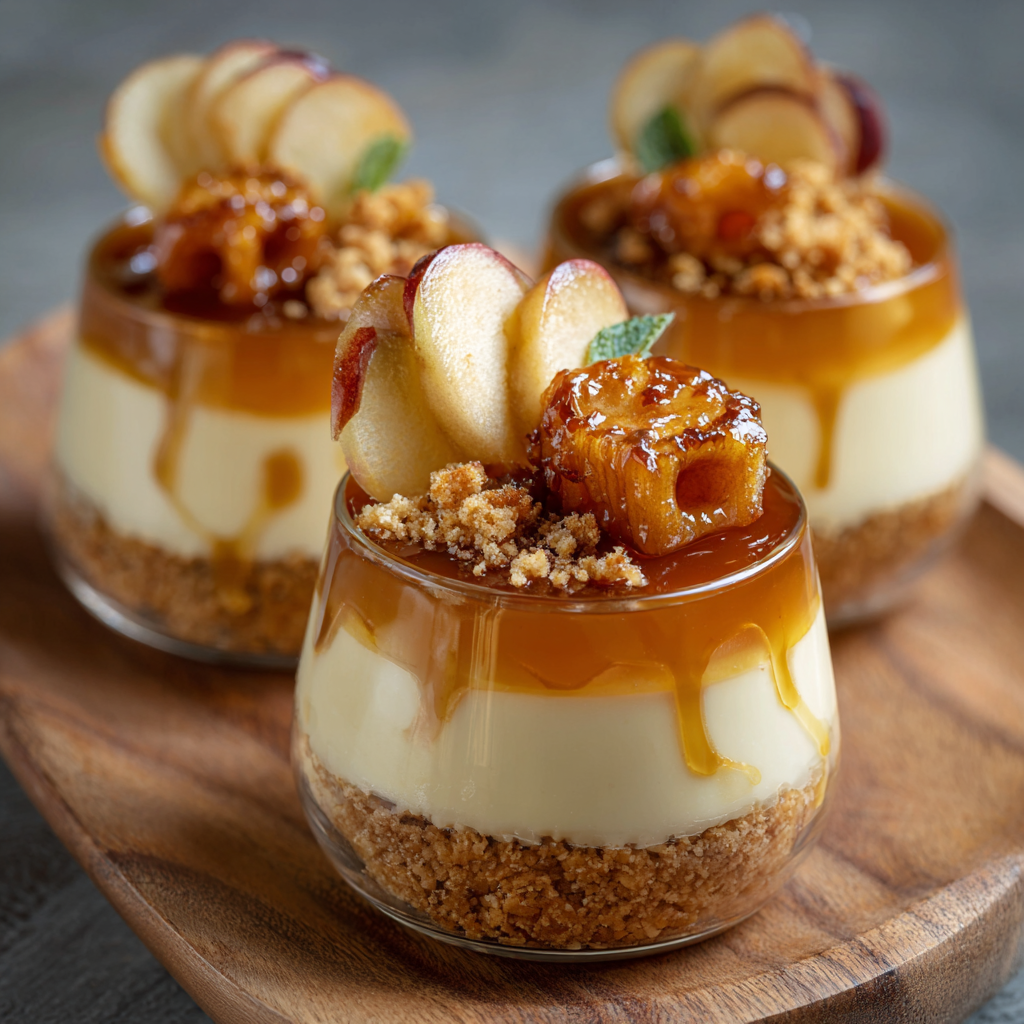
Step-by-Step Instructions
Step 1: The Laminated Cup
Preheat oven to 375°F (190°C). Layer 4 sheets of phyllo dough, brushing melted butter between each. Cut into squares and press into a muffin tin. The Physics: The butter between layers creates steam during baking, forcing the thin sheets apart to create a delicate, “shatter” texture.
Step 2: The Starch-Sugar Sauté
Peel and dice apples into 1/2-inch cubes. Melt butter in a skillet over medium-high heat. Add apples, sugar, and spices. Actionable Tip: Don’t crowd the pan. The Logic: Crowding leads to “steaming,” which turns apples mushy. You want direct contact with the pan to initiate the Maillard Reaction.
Step 3: The Deglazing Finish
Once the apples are golden and the sugar has turned into a thick syrup, stir in the lemon juice. The Science: This “deglazes” the pan, pulling up the caramelized bits (fond) and incorporating them back into the sauce for maximum flavor density.
Step 4: The Thermal Set
Bake the phyllo cups for 8 minutes until golden brown. Remove and let cool for 2 minutes. Visual Cue: The edges should look like dark parchment paper.
Step 5: The Assembly
Spoon the warm caramelized apples into the crisp shells. Top with a cold element (ice cream or cream). The Result: This creates a thermo-sensory contrast—the heat of the apples against the cold cream, and the crunch of the shell against the soft fruit.
Success Tips & Common Mistakes
- The “Soggy Shell” Fail: Never fill the cups until the moment you are ready to serve. The moisture from the apple syrup will undergo capillary action, soaking into the phyllo and destroying the crunch within 10 minutes.
- The “Rubbery” Apple: If you use “Red Delicious” apples, they will collapse into a mealy texture. Stick to acidic, firm varieties like Granny Smith or Braeburn.
- The Flavor Boost: Add 1 tbsp of Bourbon or Dark Rum to the apples during the last minute of cooking. The alcohol will evaporate, leaving behind complex oak and vanilla notes.
Nutritional Information (Per Cup)
- Calories: 210 kcal.
- Total Fat: 11g.
- Carbohydrates: 28g.
- Fiber: 3g.
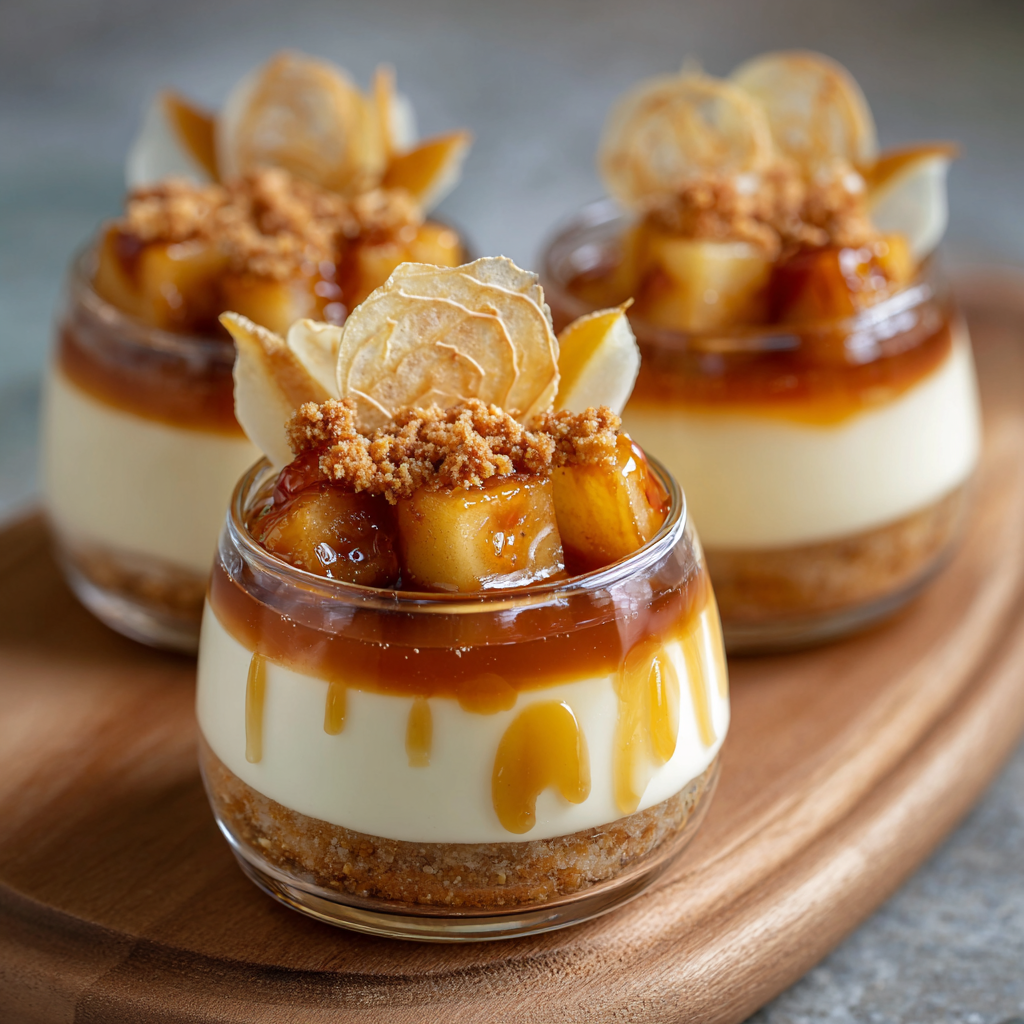
Conclusion
Caramelized Apple Dessert Cups are a masterpiece of texture management. By separating the “moist” phase (apples) from the “dry” phase (phyllo) until the final second, you maximize the contrast that makes professional desserts stand out.