Follow Me On Social Media!
Courgettes with Tomatoes: The Simple, Soulful Recipe You’ll Make Again and Again

Introduction: Could the Humblest Vegetables on Your Shelf Be the Secret to Your Best Summer Dish?
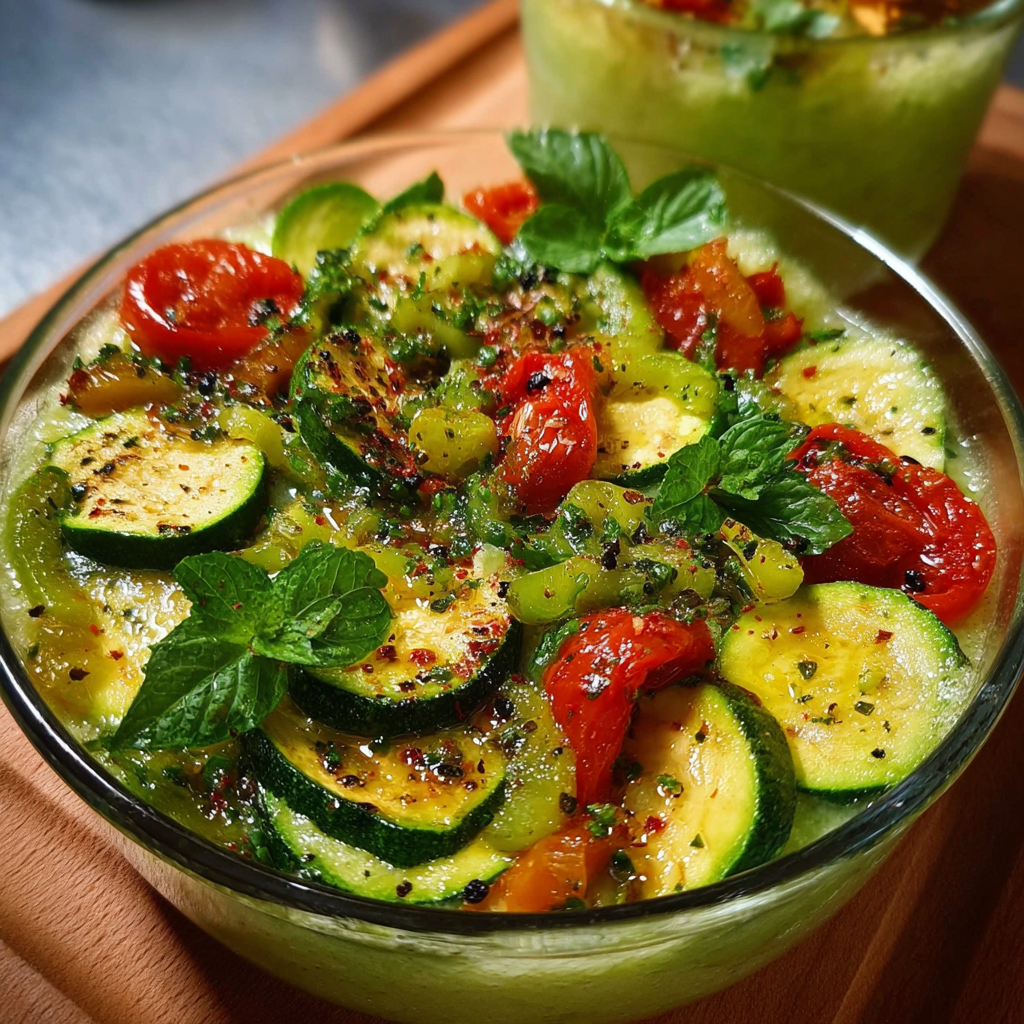
What if the most satisfying meal you cook this week requires nothing more than two vegetables you likely already have sitting on your kitchen counter? Research consistently shows that Mediterranean-style vegetable dishes rank among the top ten most searched comfort food recipes globally, and for very good reason. Courgettes with tomatoes — known in French kitchens as courgettes aux tomates — is one of those timeless, soul-warming recipes that has graced family tables across Southern Europe for generations. At its core, this dish is a celebration of simplicity: tender, melt-in-your-mouth courgettes slow-cooked with ripe, jammy tomatoes, fragrant garlic, and fresh herbs until they become something far greater than the sum of their parts. Whether you serve it as a vibrant side dish, a light vegetarian main, or a versatile sauce over pasta or grains, courgettes with tomatoes deliver comfort, color, and extraordinary flavor with minimal effort and maximum reward. Let this guide walk you through every step of making it perfectly.
Ingredients: What You Need to Serve 4
The beauty of this recipe lies in its accessibility. These are everyday pantry and garden staples that transform, through patience and gentle heat, into something genuinely memorable. Below you will find the full ingredient list along with substitution ideas for every need and preference.
The core vegetables:
- 4 medium courgettes (zucchini), approximately 800g total, sliced into rounds or half-moons about 5mm thick
- 4 ripe tomatoes, roughly chopped (or one 400g can of quality crushed tomatoes for a more intense, year-round option)
- 1 medium onion, finely sliced
- 3 cloves of garlic, minced or thinly sliced
For flavor and depth:
- 3 tablespoons of good-quality olive oil
- 1 teaspoon of tomato paste for added richness (optional but recommended)
- 1 teaspoon of dried thyme or herbes de Provence
- A small handful of fresh basil leaves, torn
- Salt and freshly ground black pepper to taste
- A pinch of sugar to balance the acidity of the tomatoes if needed
Optional additions to elevate the dish:
- A handful of black or green olives, pitted
- A sprinkle of capers for a briny, Mediterranean edge
- Crumbled feta cheese or shaved Parmesan to finish
- A pinch of dried chili flakes for gentle warmth
Timing: Slow-Cooked Goodness Without the Wait
This is a recipe that rewards patience, but never demands too much of your time. Expect approximately 10 minutes of preparation and 25 to 30 minutes of cooking time, bringing the total to around 40 minutes from start to table. That is notably faster than most braised vegetable dishes, which typically require 60 minutes or more. The dish also improves significantly when made ahead, as the flavors deepen and meld beautifully overnight — making it one of the smartest recipes you can prepare the day before a dinner party or a busy weekday meal.
Step-by-Step Instructions: Cook It with Confidence
Step 1: Prepare Your Vegetables
Begin by washing the courgettes thoroughly and trimming both ends. Slice them into rounds approximately half a centimeter thick — thin enough to cook through without disintegrating, but substantial enough to maintain a pleasant bite. If your courgettes are particularly large, halve the rounds lengthwise first to create half-moon shapes that cook more evenly. Chop the tomatoes roughly into chunks, peel and finely slice the onion, and mince the garlic. Having everything prepped and ready before you turn on the heat is the single most effective way to ensure a smooth and stress-free cooking experience.
Step 2: Soften the Onion and Garlic
Warm the olive oil in a wide, heavy-bottomed pan or skillet over medium heat. Add the sliced onion and cook gently for five to seven minutes, stirring occasionally, until soft, translucent, and just beginning to turn golden at the edges. Add the minced garlic and cook for a further minute until fragrant, being careful not to let it brown or burn. This aromatic base — known in French cuisine as a soffritto — is the invisible foundation of flavor that will carry the entire dish. Take your time here and resist the temptation to rush it with high heat.
Step 3: Add the Tomatoes and Build the Sauce
Add the chopped fresh tomatoes and the tomato paste to the pan and stir everything together. Season generously with salt, black pepper, and your dried herbs. Allow the tomatoes to cook down over medium heat for about eight to ten minutes, stirring occasionally, until they begin to break down and release their juices into a thick, fragrant sauce. This is the moment the kitchen fills with that irresistible aroma of a proper Provençal kitchen in full swing. If using canned tomatoes, they will cook down a little faster and produce a richer, more concentrated result straight away.
Step 4: Add the Courgettes and Simmer
Add the sliced courgettes to the pan and stir gently to coat them in the tomato sauce. Reduce the heat to medium-low, partially cover the pan with a lid, and allow everything to simmer together for 15 to 20 minutes, stirring every few minutes. The courgettes should become tender and silky, absorbing the tomato juices and herbs as they cook, while still holding their shape just enough to offer a gentle resistance when eaten. Taste and adjust the seasoning at this point, adding a pinch of sugar if the sauce feels too acidic. If the dish looks dry, add a small splash of water or vegetable broth.
Step 5: Finish and Serve
Remove the pan from the heat and scatter the torn fresh basil generously over the top. If you are adding olives, capers, or cheese, this is the moment to introduce them. Allow the dish to rest for two to three minutes before serving — this brief pause lets the basil perfume the entire dish and allows the flavors to settle into a harmonious, cohesive whole. Serve directly from the pan for a relaxed, convivial feel, or plate it elegantly with a drizzle of raw olive oil and a grind of fresh black pepper for something more refined.
Nutritional Information: Nourishing, Light, and Full of Goodness
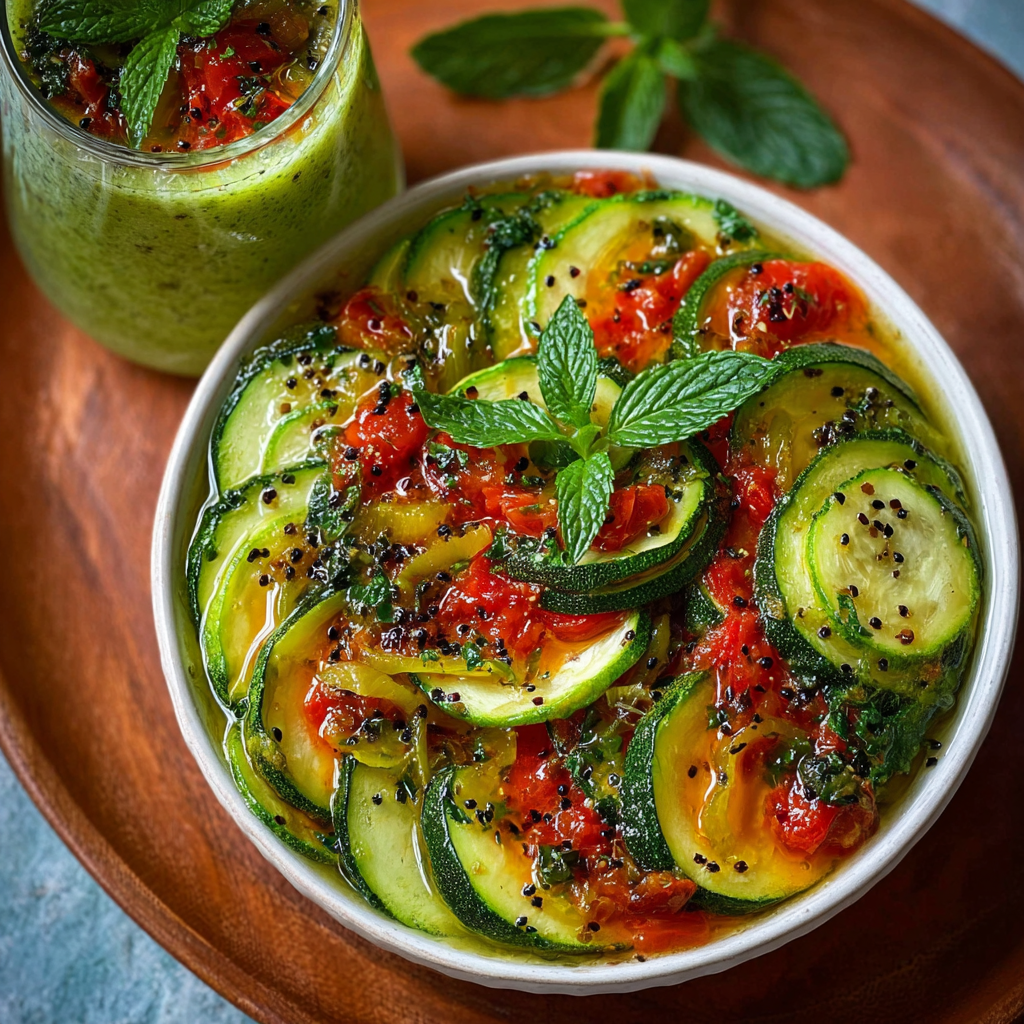
Courgettes with tomatoes is not just a pleasure to eat — it is genuinely excellent for your health. The following values are approximate and calculated per serving, based on four portions without optional additions.
- Calories: approximately 120 kcal per serving
- Protein: 3g
- Carbohydrates: 11g — predominantly from the natural sugars and fiber in the vegetables
- Fat: 8g — almost entirely heart-healthy monounsaturated fats from the olive oil
- Fiber: 3.5g — supporting digestive health and satiety
- Vitamin C: over 50% of the recommended daily intake, courtesy of the tomatoes and courgettes
- Vitamin A: approximately 25% of the daily recommended value
- Potassium: a significant contribution supporting healthy blood pressure
- Antioxidants: lycopene from cooked tomatoes is one of the most powerful dietary antioxidants known to science, and its bioavailability actually increases with cooking
This dish is naturally vegan, gluten-free, dairy-free, and low-calorie — a rare combination that makes it suitable for virtually every dietary profile at your table.
Healthier Alternatives for the Recipe
This recipe is already impressively wholesome, but there are several thoughtful modifications that can make it even more nutritionally powerful or adapted to specific dietary needs. To boost the protein content and transform the dish into a complete, satisfying main course, stir in a can of drained chickpeas or white cannellini beans during the final ten minutes of cooking — they absorb the tomato sauce beautifully and add a creamy, hearty texture. For a lower-sodium version, omit the capers and olives, reduce the tomato paste, and use fresh tomatoes exclusively. If you are following a low-FODMAP diet, replace the onion with the green tops of spring onions and use garlic-infused olive oil rather than whole garlic cloves. To reduce the overall fat content further, use just one tablespoon of olive oil and add a few tablespoons of vegetable broth to the pan when sautéing the onion.
Serving Suggestions: A Dish That Goes with Everything
The versatility of courgettes with tomatoes is genuinely extraordinary. Serve it warm as a side dish alongside grilled chicken, roasted fish, lamb chops, or a simple omelette. Spoon it generously over cooked pasta, polenta, or couscous for an effortless vegetarian main course that feels both rustic and satisfying. Pile it onto thick slices of toasted sourdough rubbed with garlic for a bruschetta-style appetizer that disappears in minutes at any gathering. Allow it to cool to room temperature and serve it as part of a mezze spread with hummus, warm flatbread, and marinated olives. It also works beautifully as a filling for baked crepes or stuffed into halved peppers before roasting. Chilled overnight and served at room temperature, it becomes a Mediterranean-style salad of remarkable depth and complexity — proof that the best dishes truly do improve with time.
Common Mistakes to Avoid
Even the simplest recipes have their subtle traps, and courgettes with tomatoes is no exception. The most frequent mistake home cooks make is cooking on too high a heat, which causes the courgettes to turn to mush before the tomato sauce has had time to develop properly. Patience and a gentle, consistent medium-low heat are non-negotiable for the right texture. The second common error is using underripe, flavorless tomatoes. In winter or when good fresh tomatoes are unavailable, a quality canned variety will consistently outperform a pale, mealy fresh tomato — do not hesitate to make that swap. A third pitfall is overcrowding the pan, which causes the vegetables to steam rather than sauté, resulting in excess liquid and a diluted flavor. Use the widest pan you have, or cook the courgettes in two batches before combining. Finally, many cooks forget to taste and season as they go, only adjusting at the very end when the balance is already set — seasoning at each stage builds layers of flavor that make a profound difference in the finished dish.
Storing Tips for the Recipe
Courgettes with tomatoes stores exceptionally well and is arguably one of the best make-ahead vegetable dishes in the home cook’s repertoire. Allow any leftovers to cool completely before transferring to an airtight container. Refrigerated, the dish keeps beautifully for up to four days, with the flavors deepening and improving noticeably by the second day. It also freezes very well — portion it into freezer-safe containers and freeze for up to three months. To reheat, simply warm it gently in a saucepan over low heat with a small splash of water to loosen the sauce, or microwave covered on a medium setting. Avoid reheating at high temperature, which can break down the courgettes further and result in an overly soft texture. For best results, add a fresh handful of basil and a final drizzle of raw olive oil just before serving reheated portions — it revives the dish instantly and makes it taste freshly made.
Conclusion
Courgettes with tomatoes is the kind of recipe that reminds you why simple, seasonal cooking is always the most satisfying. With just a handful of humble ingredients, a little olive oil, and thirty minutes on the stove, you create a dish that is colorful, nourishing, deeply flavorful, and endlessly adaptable. It belongs in every home cook’s permanent rotation. Try it this week, share your experience in the comments below, leave a rating in the review section, and subscribe to our newsletter for more recipes that celebrate the beauty of uncomplicated, honest cooking!
FAQs
Do I need to salt and drain the courgettes before cooking? It is not strictly necessary for this recipe, as the courgettes cook down in the tomato sauce and excess moisture is welcome. However, if your courgettes are very large and watery, salting them in a colander for 20 minutes and patting dry beforehand will give you a slightly firmer, more concentrated result.
Can I make this dish in the oven instead of on the stove? Absolutely. Toss all the ingredients together in a baking dish, drizzle generously with olive oil, season well, and roast uncovered at 200°C (400°F) for 35 to 40 minutes, stirring once halfway through. The oven method produces a slightly more caramelized, intensely flavored result that is equally wonderful.
What herbs work best in this recipe? Fresh basil is the classic and most aromatic finishing herb for this dish. During cooking, dried thyme, herbes de Provence, or fresh oregano all work beautifully. A bay leaf added to the sauce as it simmers and removed before serving adds a subtle, complex background note that is well worth trying.
Is this recipe suitable for children? It is an excellent dish for children, especially when served over pasta or with soft bread. Omit the chili flakes and capers for younger palates, and consider blending a portion of the sauce smooth if you have particularly selective eaters — the flavor is mild, sweet, and naturally appealing.
Can I add meat to this recipe? Certainly. Browned Italian sausage, diced pancetta, or ground lamb added to the pan after the onion and garlic create a rich, hearty ragu-style variation that is deeply satisfying. For a lighter protein option, nestle a few eggs into the sauce five minutes before the end of cooking, cover the pan, and allow them to poach gently in the tomato and courgette mixture for a dish that closely resembles a Provençal-style shakshuka.