Follow Me On Social Media!
The Cheesecake Cinnamon Roll Honeybun: A Study in “Caloric and Structural Layering”

This dish is a maximalist fusion of three distinct pastry traditions: the lactic tang of cheesecake, the aromatic spiral of the cinnamon roll, and the yeasted, oil-fried glaze of the honeybun.
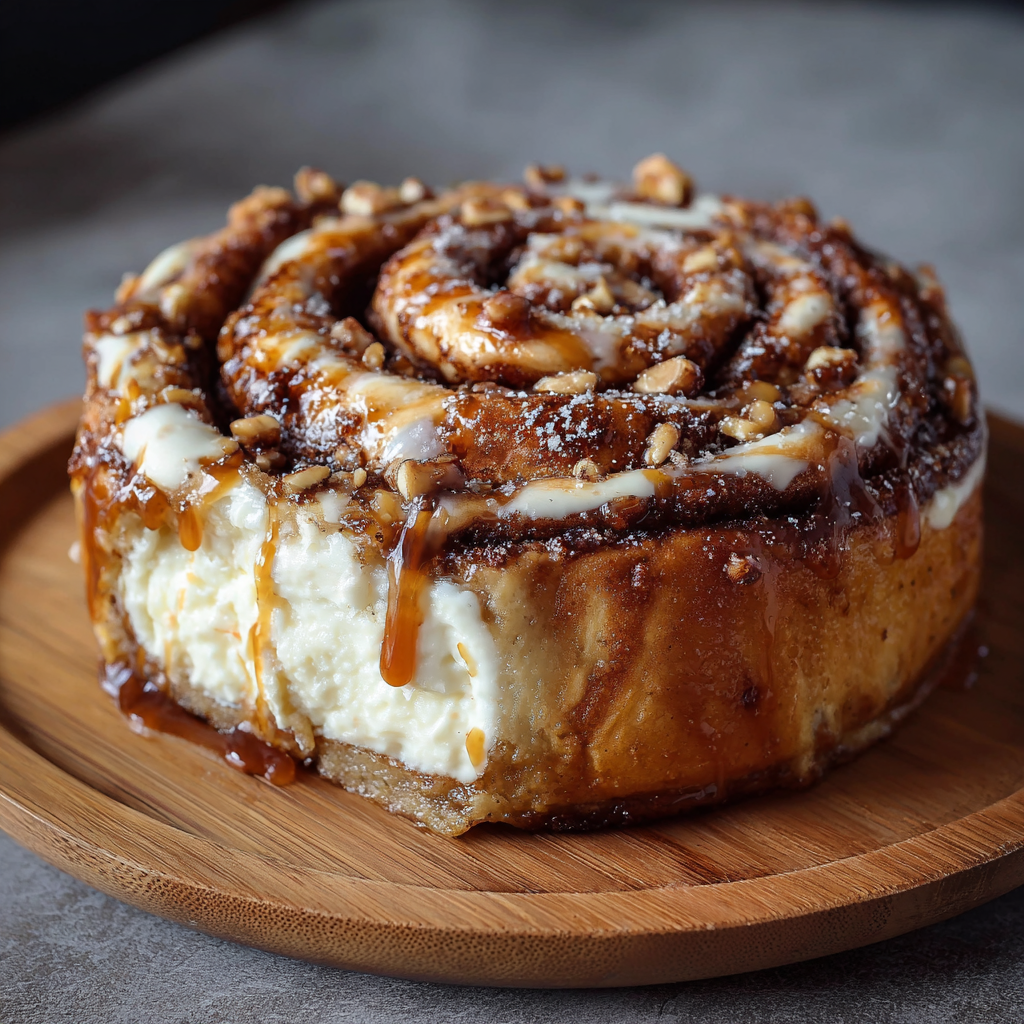
From a culinary engineering standpoint, this is a Composite Confection. The goal is to balance the high moisture content of the cheesecake filling with the sugar-dense “honeybun” exterior to ensure the center remains creamy while the outer crust maintains its structural “snap.”
The Triple-Threat Ingredient Matrix
1. The Dough (The Honeybun Base)
- 2 ¼ tsp Active Dry Yeast: Provides the biological leaven.
- ¾ cup Warm Milk ($43$°C): To activate the yeast without denaturing its enzymes.
- ¼ cup Honey: The hygroscopic agent that keeps the dough “tender-moist.”
- 3 cups All-Purpose Flour & 1 Egg.
2. The Filling (The Cheesecake-Cinnamon Spiral)
- 8 oz Cream Cheese: Softened (the primary protein/fat emulsifier).
- ¼ cup Powdered Sugar & 1 tsp Vanilla.
- ½ cup Brown Sugar mixed with 1 tbsp Cinnamon: For the Maillard-adjacent flavor profile.
3. The Glaze (The “Honey” Seal)
- 1 cup Powdered Sugar.
- 2 tbsp Honey & 1 tbsp Melted Butter.
Timing: The Multi-Stage Fermentation
| Phase | Duration | Data Insight |
| Primary Rise | 60 Minutes | Allows yeast to produce $CO_2$ for a “pillowy” texture. |
| The Spiral Assembly | 15 Minutes | Requires cold cream cheese to prevent “sliding” during rolling. |
| The Bake ($175$°C) | 25-30 Minutes | Stabilizes the egg proteins in the cheesecake center. |
| The Glaze Bath | 2 Minutes | Must be applied while warm to lower viscosity and “self-level.” |
Step-by-Step Instructions
Step 1: The Yeasted Foundation
Mix the yeast, warm milk, and honey. Let it bloom for 5 minutes. Incorporate the flour and egg, then knead for 8 minutes. The Science: You are developing gluten networks strong enough to hold a heavy cheesecake filling without collapsing. Let rise until doubled.
Step 2: The Lactic Emulsion
Whisk the softened cream cheese with powdered sugar and vanilla until smooth. Actionable Tip: Ensure the cream cheese is at room temperature ($22$°C) to prevent “clumping” in the spiral.
Step 3: The Assembly (The “Triple Layer”)
Roll the dough into a large rectangle. Spread the cream cheese mixture over the dough, then sprinkle heavily with the cinnamon-brown sugar mix.
Step 4: The Precision Cut
Roll the dough tightly into a log and cut into 2-inch rounds. Place in a greased baking pan. The Physics: Leave space between the rolls; as they bake, the steam from the cheesecake will push outward, “filling” the gaps and creating a unified pull-apart texture.
Step 5: The Thermal Finish & Honey Seal
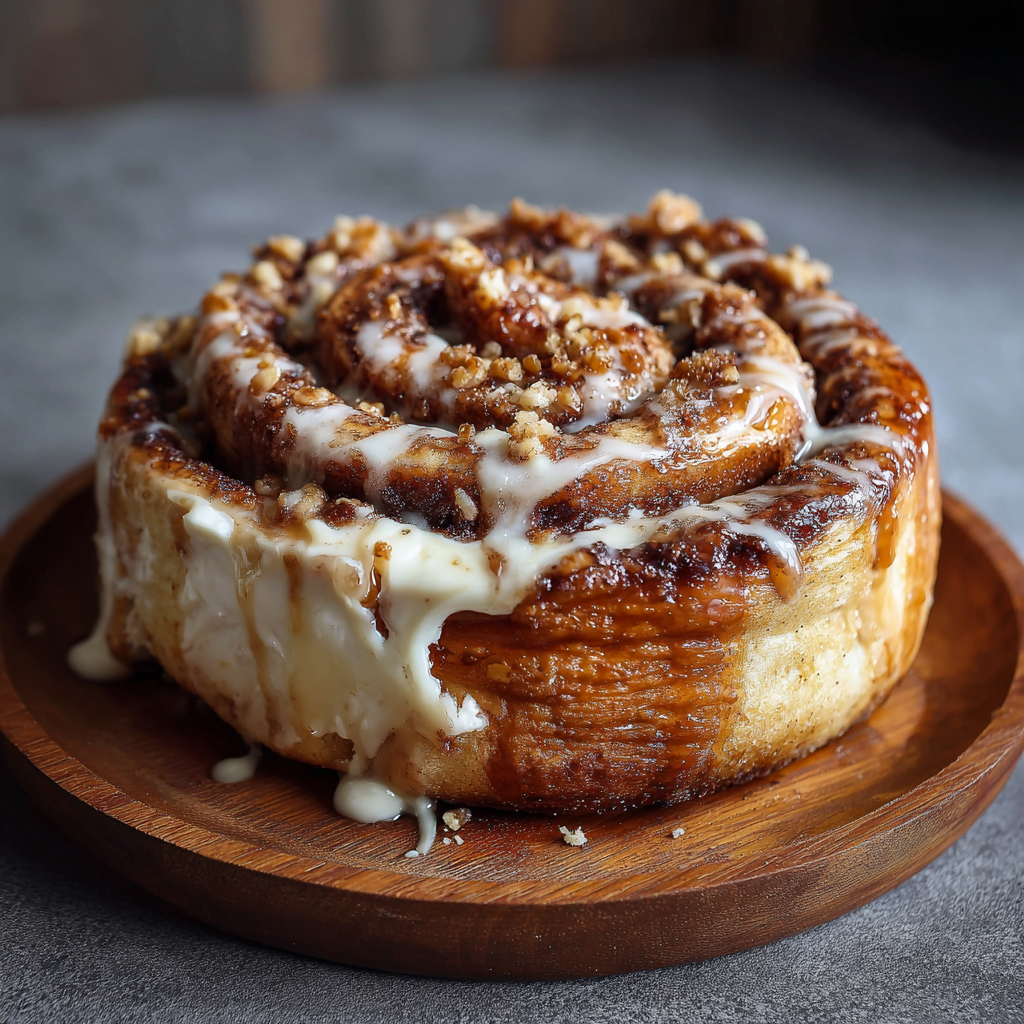
Bake at 350°F (175°C) until golden. While the rolls are hot, whisk the glaze ingredients and pour over the top. The Result: The heat of the buns causes the glaze to undergo capillary action, pulling the honey-sugar deep into the crevices of the cinnamon spiral.
Success Tips & Common Mistakes
- The “Leakage” Fail: If your cream cheese is too runny, it will leak out the bottom of the buns. Using Full-Fat Block Cream Cheese (not the “whipped” tub version) is critical for structural stability.
- The “Tough Dough” Fail: Do not over-flour the dough. It should be slightly tacky. Over-flouring creates a “bread-like” texture rather than the “pastry-like” melt of a true honeybun.
- The Glaze Temperature: If the glaze is too cold, it will sit on top like frosting. It must be slightly warm and fluid to “soak” the bun.
Nutritional Information (Per Bun)
- Calories: 420 kcal.
- Total Fat: 18g.
- Carbohydrates: 58g.
- Protein: 6g.
Conclusion
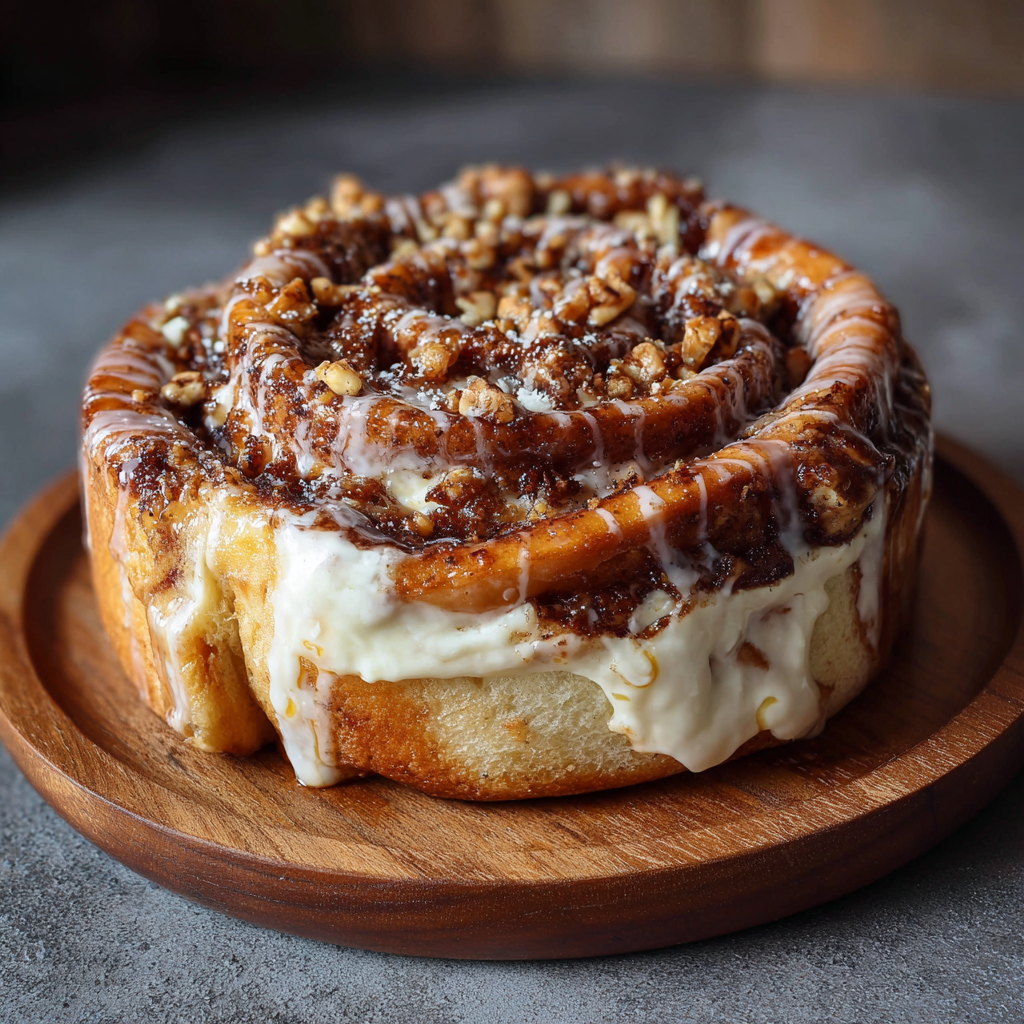
The Cheesecake Cinnamon Roll Honeybun is a triumph of textural layering. It successfully merges the “short” crumb of a honeybun with the “elastic” crumb of a cinnamon roll, all while housing a decadent, creamy core.