Follow Me On Social Media!
The Culinary Architect: Elevated Chicken Rice-A-Roni

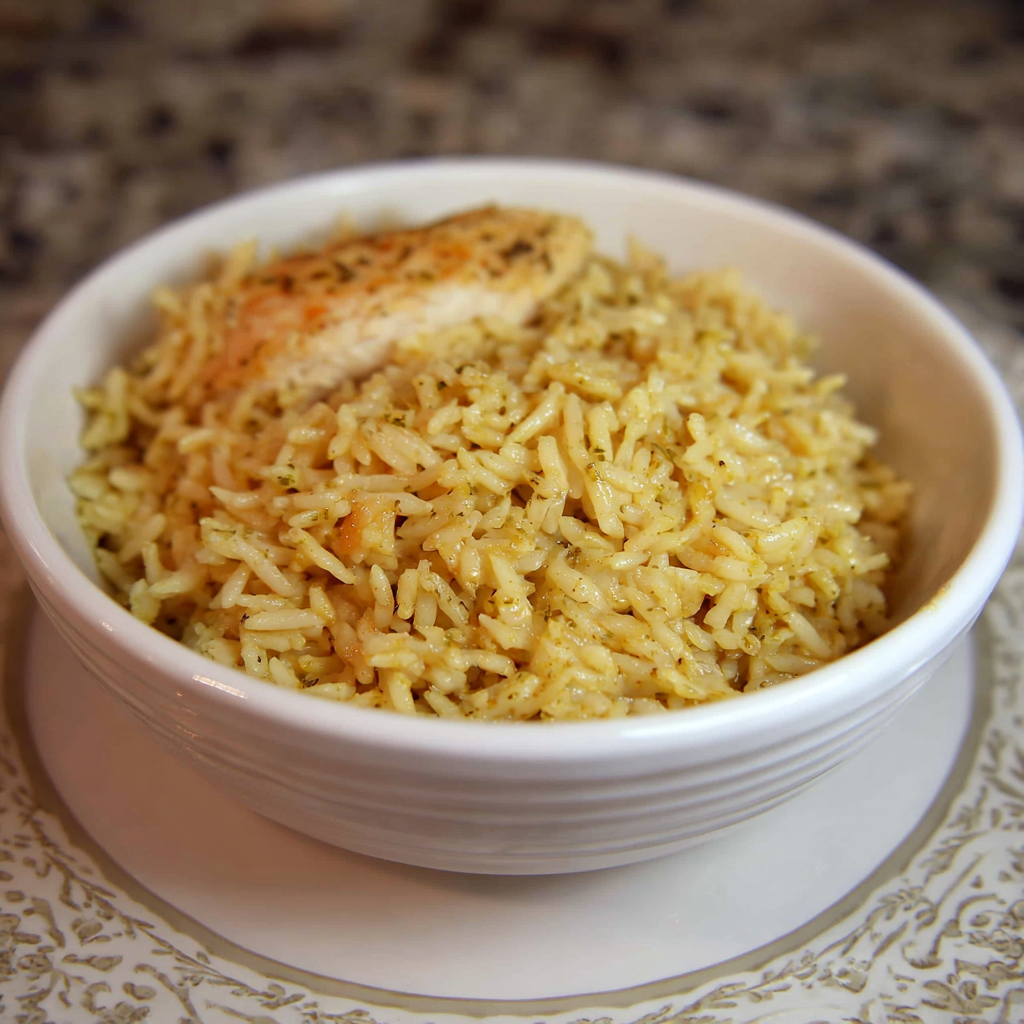
The Gastronomic Architecture: The “Pilaf-Pasta” Hybridization
In the hierarchy of pantry-staple engineering, Rice-A-Roni represents a sophisticated study in Starch-Dextrinization and Hydration-Rate Balancing. The technical challenge of this dish is the “Dual-Grain” paradox: vermicelli (pasta) and long-grain rice require different moisture absorption rates to reach al dente simultaneously. By Utilizing a “Dry-Toast” phase—essentially a Maillard Pre-Treatment—you create a protective dextrin layer on the rice and pasta.
This toasted shell prevents the grains from absorbing water too rapidly, ensuring a “separate-grain” texture rather than a homogenous “mush” during the simmering phase.
Essential Mise en Place: Technical Specs
To achieve a restaurant-grade “velvet” mouthfeel and a deep savory base, the “Nutty-Aromatic” foundation and the “Lipid-Starch” emulsion are the most critical factors.
The Foundation (The “San Francisco Treat”)
- Long-Grain White Rice (200g): For the light, fluffy structural base.
- Vermicelli Pasta (50g): Broken into 1.5cm pieces. The pasta provides a “Silky-Drag” texture that rice alone lacks.
- Chicken Breast or Thighs (400g): Technical Requirement: Cut into uniform 1.5cm cubes. Thighs are superior for this method as they resist the “Dry-Out Point” during the 20-minute simmer.
The “Golden” Matrix
- Unsalted Butter (30g): The primary fat carrier for the toasting phase.
- Chicken Stock (500ml): Expert Tip: Use a high-sodium stock or “Better Than Bouillon” to mimic the concentrated flavor profile of the original box seasoning.
- Aromatics: Minced garlic, 1/2 diced yellow onion, and 1/2 tsp turmeric (for the signature golden hue).
The Masterclass: Step-by-Step Culinary Execution
Phase 1: The “Proteolysis” Sear
In a large skillet, brown the chicken cubes in half the butter until a golden crust forms. Remove the chicken. This “Maillard Layering” ensures the chicken contributes savory depth to the pan (fond) which will later be absorbed by the rice.
Phase 2: The “Dextrinization” Toast
Add the remaining butter, dry rice, and vermicelli to the same skillet. Cook over medium heat for 3–5 minutes, stirring constantly. Technical Requirement: Watch for the vermicelli to turn a “pecan-brown” and the rice to turn opaque. This toasting creates the “Nutty-High” flavor notes and prevents the grains from sticking.
Phase 3: The “Aqueous-Starch” Deglaze
Add the onions and garlic, cooking for 60 seconds. Pour in the chicken stock and turmeric. Return the chicken to the pan. The liquid will immediately boil, “deglazing” the savory chicken bits from the bottom and distributing them into the rice matrix.
Phase 4: The “Absorption” Simmer
Cover and reduce heat to LOW for 15–18 minutes. Technical Requirement: Do not lift the lid. The steam-pressure inside the skillet is what ensures the center of the rice grains hydrates fully. Once the liquid is absorbed, remove from heat and let sit, covered, for 5 minutes to “set” the starch.
Common Technical Pitfalls to Avoid
- The “Gummy” Rice: Caused by stirring the rice during the simmering phase. Stirring ruptures the starch granules, releasing amylopectin into the liquid and turning the pilaf into a risotto.
- Burnt Vermicelli: Pasta browns faster than rice. If the vermicelli reaches “dark chocolate” color, it will taste bitter. Aim for a “golden-honey” hue.
- Bland Profile: The original Rice-A-Roni is heavy on parsley and celery salt. To replicate this, fold in 2 tbsp of fresh minced parsley and a pinch of celery salt at the very end.
Frequently Asked Questions (Q&A)
| Question | Expert Answer |
|---|---|
| Can I make it one-pan? | Yes, this recipe is designed as a “One-Pot” system to maximize the retention of chicken juices within the rice. |
| Why add turmeric? | Turmeric provides the classic Curcumin-Gold color without the expense of saffron, while adding a mild earthy depth. |
| Can I use brown rice? | No. Brown rice requires 40+ minutes to hydrate, which would turn the vermicelli into a homogenous paste. Stick to long-grain white. |