Follow Me On Social Media!
The Flavor Architect: Cowboy Butter Chicken

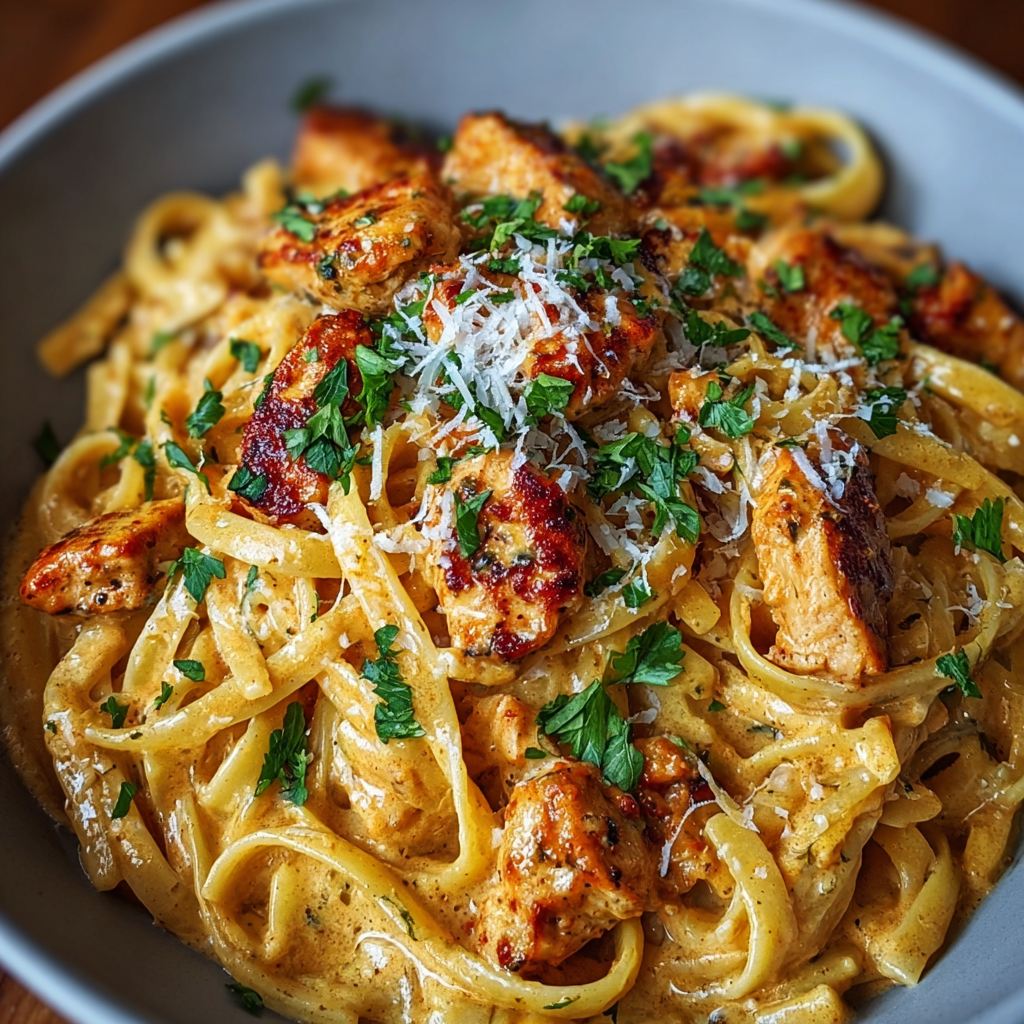
The Gastronomic Architecture: The “Compound-Lipid” Emulsification
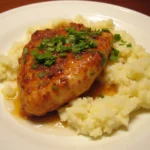
In the hierarchy of high-intensity pan-sears, Cowboy Butter Chicken represents a sophisticated study in Thermal Infusion and Acid-Fat Balancing. The technical challenge is the “Butter-Break”: butter is an emulsion of water, fat, and milk solids that can easily separate or burn at the high temperatures required to sear chicken. By utilizing a “Compound Butter” technique—where aromatics, acids (lemon), and piquancy (horseradish/dijon) are folded into the softened fat—you create a stable, flavor-dense coating that “clings” to the protein fibers rather than sliding off into the pan.
Data from flavor science suggests the “irresistibility” factor is the Capsaicin-Citrus Loop: the heat from chili flakes and horseradish is immediately rounded out by the lactic fats of the butter and the brightening effect of lemon zest, creating a “high-frequency” palate response.
Essential Mise en Place: Technical Specs
To achieve a restaurant-grade “golden-crust” with a melting interior, the surface moisture of the chicken and the “bloom” of the spices are the most critical factors.
The Foundation (The Protein)
- Chicken Cutlets or Thighs (600g): Technical Requirement: Pound the chicken to a uniform 1.5cm thickness. This ensures the exterior sears at the exact rate the interior reaches 74°C, preventing “rubbery” overcooked edges.
- The “Dry-Sear” Prep: Pat the chicken bone-dry and season with salt and pepper 10 minutes before cooking.
The “Cowboy” Matrix (The Butter)
- Unsalted Butter (115g / 1/2 cup): Softened to room temperature for optimal mixing.
- The Piquant Trio: 1 tbsp Dijon mustard, 1 tsp prepared horseradish, and 2 cloves of garlic (pressed).
- The Acid & Herb Finish: Juice and zest of 1/2 lemon, fresh parsley, and chives.
- The Heat: 1/2 tsp red chili flakes and 1/2 tsp smoked paprika.
The Masterclass: Step-by-Step Culinary Execution
Phase 1: The “Cold-Fold” Compound
In a small bowl, fold the garlic, mustard, horseradish, lemon, herbs, and spices into the softened butter. Technical Requirement: Do not melt the butter yet. Mixing it “cold” allows the fat to encapsulate the aromatics, protecting them from burning when they eventually hit the hot pan.
Phase 2: The High-Conductivity Sear
Heat a heavy stainless steel or cast-iron skillet over medium-high heat with 1 tbsp of neutral oil. Sear the chicken for 4–5 minutes per side. Expert Tip: Do not move the chicken once it hits the pan; the Maillard reaction requires undisturbed contact to create that deep brown “flavor crust.”
Phase 3: The “Butter-Baste” Finish
Reduce the heat to low. Add the “Cowboy Butter” directly to the pan. As it melts and begins to foam, use a large spoon to continuously pour the hot, bubbling fat over the chicken. This “Nappe” technique infuses the meat with the herb oils while the milk solids in the butter begin to brown, adding a nutty complexity.
Phase 4: The “Carry-Over” Resting
Transfer the chicken to a warm plate and pour the remaining pan butter over it. Let it rest for 3–5 minutes. This allows the muscle fibers to relax and reabsorb the butter-infused juices.
Common Technical Pitfalls to Avoid
- Burnt Garlic: If the pan is too hot when the butter is added, the minced garlic will turn bitter and black in seconds. Always reduce the heat before the “Butter-Baste” phase.
- The “Oily” Sauce: If the butter separates into clear yellow oil, the heat was too high. Add a teaspoon of cold water or a splash of lemon juice and whisk vigorously to “tighten” the emulsion back up.
- Soggy Crust: Do not cover the pan with a lid once the chicken is seared; the trapped steam will soften the crisp exterior you worked so hard to achieve.
Frequently Asked Questions (Q&A)
| Question | Expert Answer |
|---|---|
| Can I use this for dipping? | Absolutely. Melt the “Cowboy Butter” separately and serve it in a ramekin for a high-intensity dipping sauce for steak, chicken, or bread. |
| Why horseradish? | Horseradish provides a “nasal heat” that cuts through the heavy lipids of the butter, providing a sensory bridge that makes the dish feel lighter. |
| Is it very spicy? | It has a “kick” but is not overwhelming. The fat in the butter naturally tempures the capsaicin in the chili flakes. |