Follow Me On Social Media!
The Flavor Architect: Egg Roll in a Bowl (Crack Slaw)

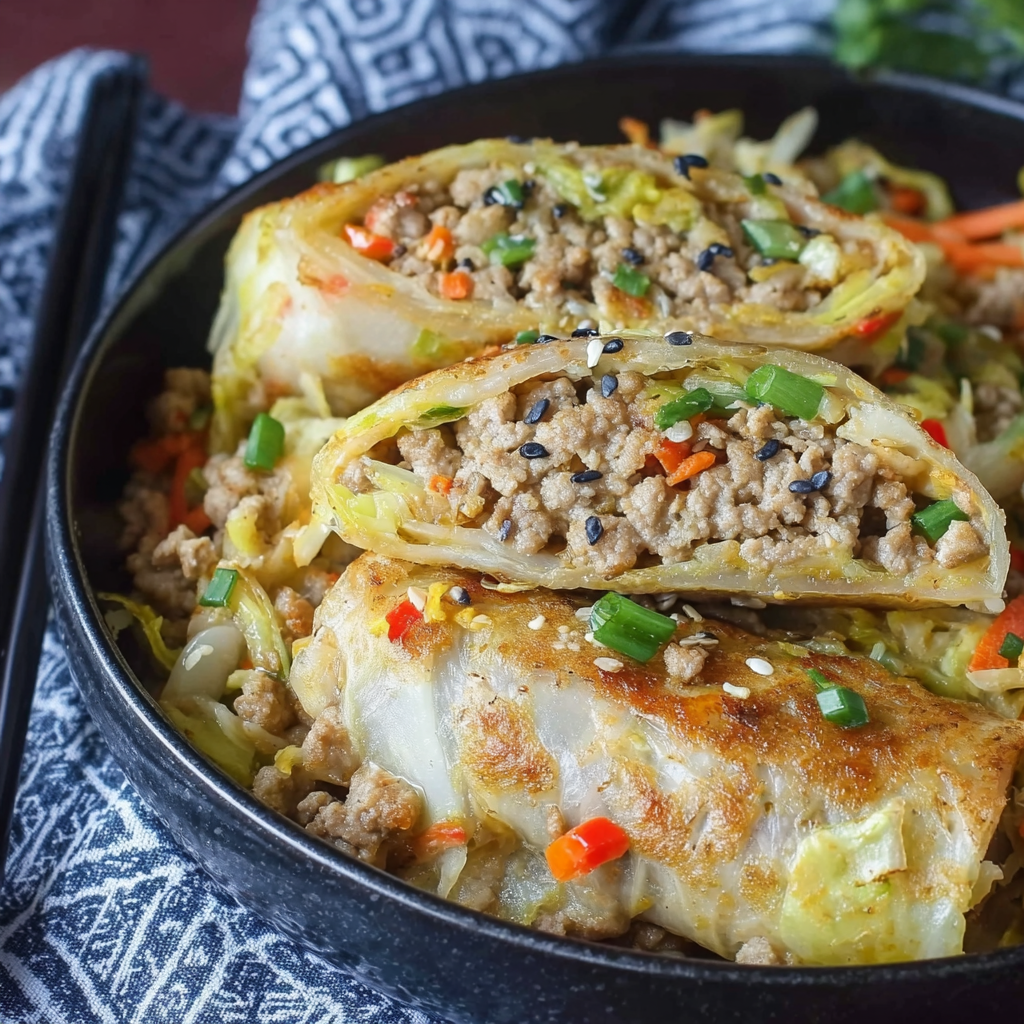
The Gastronomic Architecture: Deconstructing the “Fried” Experience
In the hierarchy of high-protein, low-carb meals, Egg Roll in a Bowl represents a sophisticated study in Culinary Deconstruction. The technical challenge lies in replicating the sensory experience of a traditional deep-fried egg roll—the crunch, the savory lipids, and the deep umami—without the physical barrier of the fried wrapper. By utilizing a High-Heat Searing technique, we create a Maillard reaction on the meat, while the cabbage undergoes a Controlled Wilt, maintaining its cellular structure while absorbing the sauce.
Flavor science suggests the “irresistibility” factor is the Lipid-Ginger Bridge: the fat from the pork or beef carries the volatile aromatic compounds of the ginger and garlic directly to the olfactory receptors, simulating the richness of a traditional fry-up.
Essential Mise en Place: Technical Specs
To achieve the perfect balance between “crunch” and “tender” without excess water, the protein-to-vegetable ratio and the timing of seasoning are the most critical factors.
The Foundation (The Protein)
- Ground Pork or Beef (500g): Technical Requirement: Use meat with at least 15% fat if possible. Fat is the essential flavor carrier to compensate for the lack of a deep-fryer.
- Shredded Cabbage (Coleslaw Mix) (400g): A mix of green cabbage, red cabbage, and carrots. Expert Tip: Do not shred the cabbage too finely; larger pieces retain their “thermal snap” better during the sauté.
The “Umami” Aromatic Matrix
- Toasted Sesame Oil (1 tbsp): Provides the smoky, nutty base note.
- Fresh Ginger & Garlic: Grated to maximize surface area contact and enzymatic infusion.
- Soy Sauce or Tamari (3 tbsp): For salinity and fermented amino acids.
- Sriracha or Chili Paste: For a “transition heat” that cuts through the richness of the fat.
The Masterclass: Step-by-Step Culinary Execution
Phase 1: The Protein Sear
Heat a large wok or deep skillet over high heat. Add the ground meat. Technical Requirement: Let the meat brown without stirring for 2 minutes to maximize caramelization. Then, break it into small crumbles until fully browned.
Phase 2: Aromatic Bloom
Push the meat to the edges and add the minced garlic, ginger, and the white parts of green onions to the center. Sauté for 30–45 seconds until the fragrance is released. Mix thoroughly with the meat.
Phase 3: The Flash Wilt (The Cabbage)
Add the cabbage mix. Pour the soy sauce and sesame oil over the vegetables. Sauté for 3 to 5 minutes maximum. Technical Requirement: The cabbage should reduce in volume but remain bright and slightly firm to the bite. If cooked too long, water will escape the cabbage cells, making the bowl “soupy.”
Phase 4: The Final Emulsion
Remove from heat and stir in a splash of rice vinegar or lime juice. The acidity acts as a “brightness corrector,” balancing the heavy soy and fat profiles.
Common Technical Pitfalls to Avoid
- The “Mushy” Bowl: Caused by overcooking the cabbage. The cabbage continues to cook via carry-over heat after being removed from the stove; aim for “80% done.”
- Lack of Depth: If the dish tastes flat, increase the amount of fresh ginger or add a touch of hoisin sauce for sweet-salty complexity.
- Liquid Overload: Do not wash your cabbage immediately before cooking, or dry it perfectly. Surface moisture will prevent a sear and encourage steaming.
Frequently Asked Questions (Q&A)
| Question | Expert Answer |
|---|---|
| Is it Keto-friendly? | It is naturally Keto! Just ensure your soy sauce has no added sugars, or use coconut aminos. |
| What toppings should I add? | Sesame seeds, sliced green onions, and a drizzle of “Spicy Mayo” (Sriracha + Mayo) to recreate the creaminess of restaurant dipping sauces. |
| How do I store it? | It keeps well for 3–4 days in the fridge. The cabbage will soften, but the ginger and garlic flavors will intensify over time. |