Follow Me On Social Media!
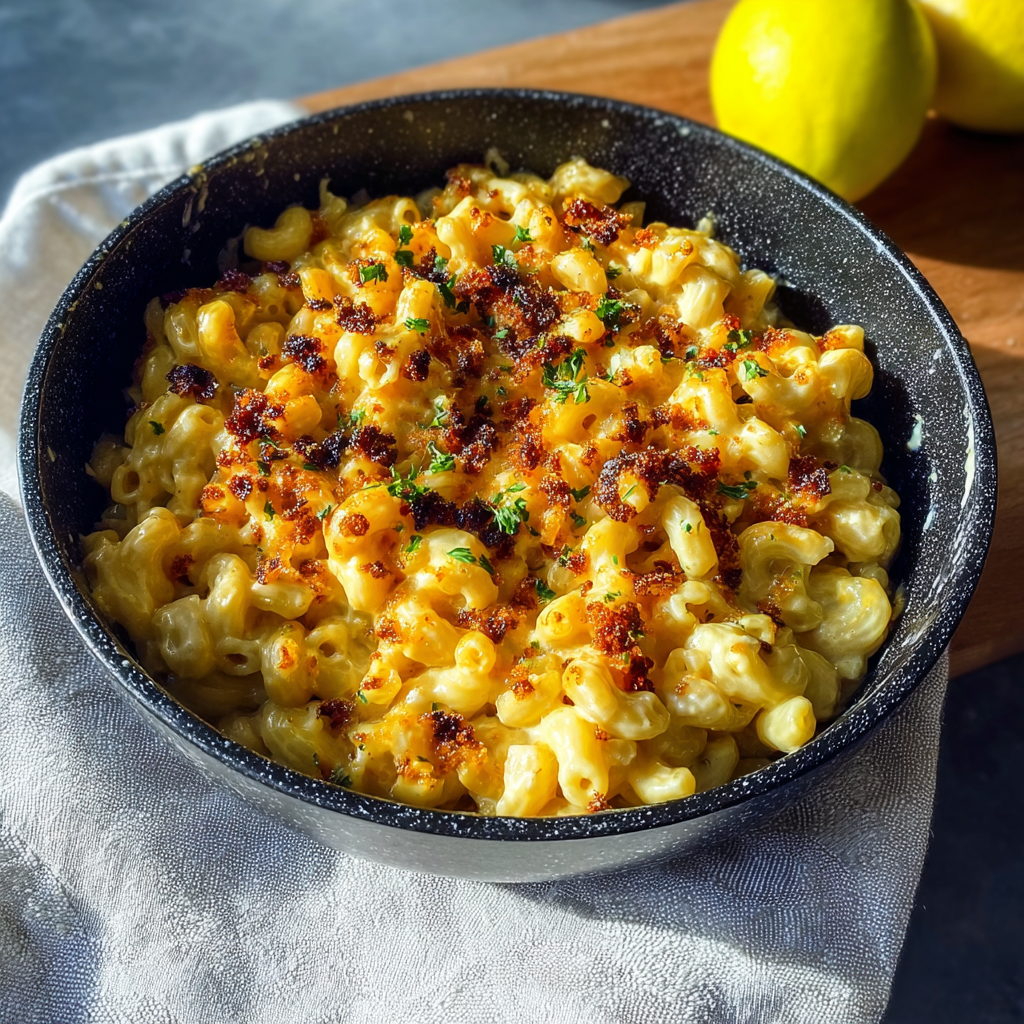
The Molecular Architect: One-Pot Creamy Mac and Cheese

The Gastronomic Architecture: The “Starch-Sequestration” Method
In the hierarchy of home-style comfort, One-Pot Mac and Cheese represents a sophisticated study in In-Situ Starch Thickening and Protein Stabilization. Unlike the traditional “Bechamel” method (where you make a separate roux), the one-pot technique relies on the starch released directly from the pasta into the milk as it boils. This “Active Starch” acts as a natural emulsifier, bonding the cheese fats to the liquid without the need for additional flour.
The technical challenge is the “Hydration-to-Emulsion” Ratio: you must use exactly enough liquid to hydrate the pasta to al dente while leaving behind a concentrated starch “slurry” that will instantly transform into a glossy sauce when the cheese is introduced.
Essential Mise en Place: Technical Specs
To achieve a restaurant-grade “velvet” finish, the ratio of liquid to dry pasta and the “Anti-Clumping” properties of the cheese are the most critical factors.
The Foundation (The “Slurry” Matrix)
- Elbow Macaroni or Cavatappi (450g / 1 lb): Technical Requirement: Do not rinse the pasta. You need every microgram of surface starch to thicken the sauce.
- Whole Milk (750ml / 3 cups) & Water (250ml / 1 cup): A mix of milk and water prevents the lactose sugars from scorching while providing the essential lipids for creaminess.
- Unsalted Butter (45g / 3 tbsp): To provide a “Short” texture and extra fat for the emulsion.
The Lipid & Umami Matrix
- Sharp Cheddar (250g): Expert Tip: Grate from a block. Pre-shredded cheese contains cellulose, which prevents a smooth melt and creates a “gritty” mouthfeel.
- Dry Mustard Powder (1 tsp): A technical “Brightener” that cuts through the heavy dairy fats.
- Pinch of Cayenne & Nutmeg: To “up-regulate” the savory profile of the cheddar.
The Masterclass: Step-by-Step Culinary Execution
Phase 1: The “Cold-Start” Absorption
Combine the dry pasta, milk, water, butter, and seasonings in a large pot. Starting with cold liquid ensures the starch granules swell slowly and evenly, preventing the pasta from sticking together.
Phase 2: The “Active-Starch” Simmer
Bring to a gentle boil over medium heat, then reduce to a simmer. Technical Requirement: Stir frequently. This “Mechanical Agitation” physically rubs the starch off the pasta and into the milk, creating the foundation of your sauce. Cook until the pasta is al dente and the liquid has reduced to a thick, creamy coating (approx. 8–10 minutes).
Phase 3: The “Zero-Heat” Emulsion
Remove the pot from the heat entirely. This is the Critical Stabilization Phase. If you add cheese to boiling liquid, the proteins will “seize” and separate into oily clumps. Fold in the shredded cheese one handful at a time, allowing the residual heat of the pasta to melt it into the starch slurry.
Phase 4: The “Viscosity Correction”
If the sauce looks too thick, add a tablespoon of warm milk. If it looks too thin, let it sit for 2 minutes; the starches will continue to set as the temperature drops, creating a perfect, clinging “Heavy-Cream” consistency.
Common Technical Pitfalls to Avoid
- The “Gritty” Sauce: Caused by using pre-shredded cheese or overheating the cheese. Always melt cheese off the heat for a “Silk-Finish.”
- Scorched Bottom: Milk contains proteins and sugars that burn easily. Use a heavy-bottomed pot and stir constantly to prevent a “Burnt-Lactose” aftertaste.
- Mushy Pasta: Because the pasta cooks in milk (which is denser than water), it can take slightly longer to soften. Monitor the texture closely in the final 2 minutes.
Frequently Asked Questions (Q&A)
| Question | Expert Answer |
|---|---|
| Can I add protein? | Cooked bacon or ham can be folded in during Phase 3. For a “Mediterranean” twist, try sundried tomatoes and feta. |
| Why mustard powder? | It is a classic “flavor bridge” for cheddar; it provides a sharp acidic note that makes the cheese taste “cheesier” without adding vinegar. |
| How do I store it? | Mac and cheese continues to absorb liquid as it sits. To reheat, add a splash of milk to “loosen” the emulsion back to its original state. |