Follow Me On Social Media!
The Protein Architect: Easy Cottage Cheese Egg Bites

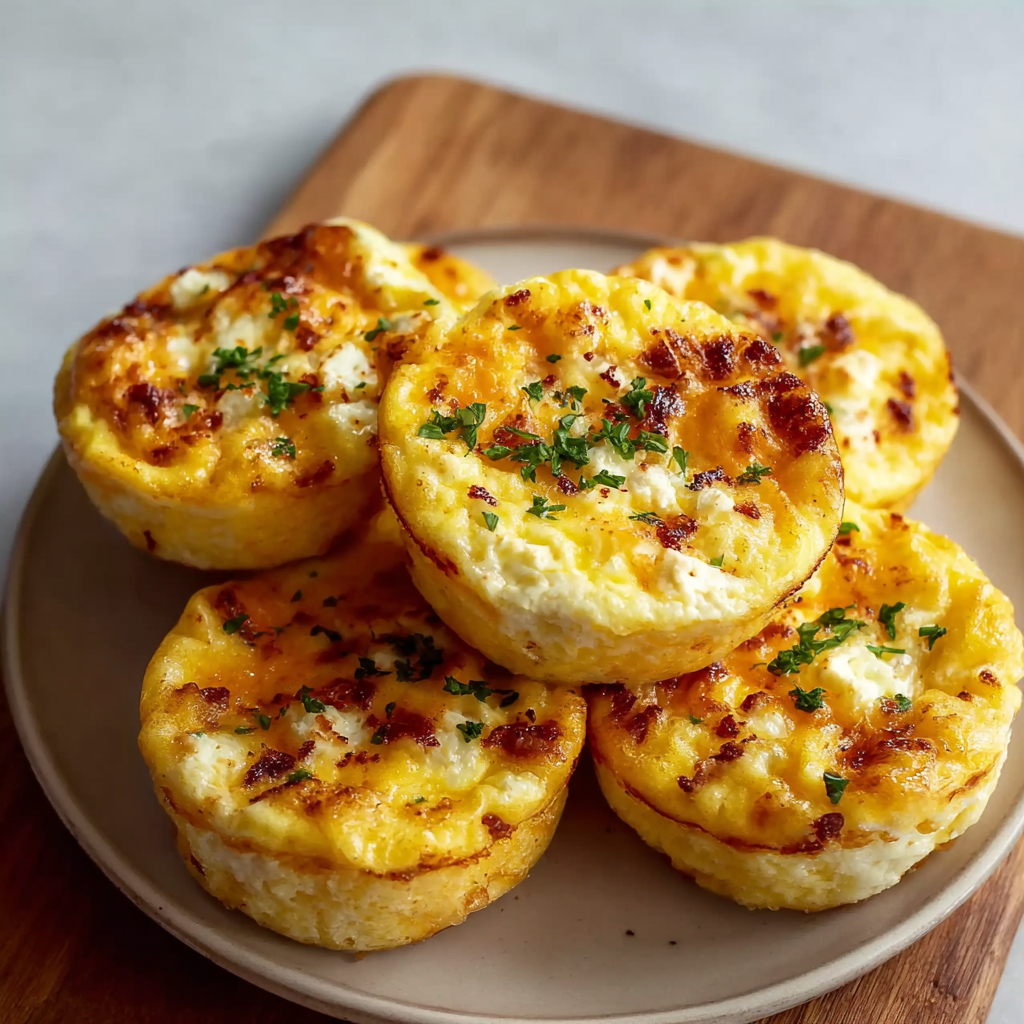
The Gastronomic Architecture: The “Curd-Matrix” Stabilization
In the hierarchy of high-protein breakfast engineering, Cottage Cheese Egg Bites represent a sophisticated study in Protein-Lipid Emulsification and Steam-Convection Cooking. The technical challenge of an egg bite is the “Rubbery-to-Velvet” transition. Traditional eggs, when baked in dry heat, contract their protein fibers rapidly, squeezing out water and becoming tough. By blending cottage cheese into the matrix, you introduce Casein and Whey proteins, which act as a biological buffer, creating a “Custard-like” structure that remains soft and aerated.
Data from food science suggests that the “irresistibility” factor is the Lactic-Umami Bond: the subtle acidity of the cottage cheese brightens the heavy sulfurous notes of the eggs, while the high moisture content creates a “micro-steam” environment inside each bite.
Essential Mise en Place: Technical Specs
To achieve a Starbucks-grade “melt-in-your-mouth” texture without a sous-vide machine, the aeration of the batter and the moisture of the oven are the most critical factors.
The Foundation (The “Power” Batter)
- Large Eggs (5-6): The primary structural scaffolding.
- Cottage Cheese (240g / 1 cup): Technical Requirement: Use “Full-Fat” (4%) for the most stable emulsion. Low-fat varieties have a higher water content and may cause the bites to “weep” after baking.
- Shredded Cheese (100g / 1 cup): Gruyère or Sharp Cheddar provides the “lip-smacking” fat content and salt.
The Aromatic & Structural Matrix
- Cornstarch (1 tbsp): Acts as a “Starch-Shield,” preventing the eggs from over-coagulating and becoming rubbery.
- Salt & Black Pepper: To “up-regulate” the savory notes.
- Inclusions: Diced bacon, sautéed spinach, or roasted red peppers.
The Masterclass: Step-by-Step Culinary Execution
Phase 1: The “High-Shear” Liquefaction
Place the eggs, cottage cheese, shredded cheese, and cornstarch in a high-speed blender. Blitz for 30–60 seconds until the mixture is perfectly homogenous and frothy. Technical Requirement: You must blend until no curds remain; this creates the “Air-Infused” texture that defines a high-end egg bite.
Phase 2: The “Hydro-Thermal” Environment (The Water Bath)
Preheat your oven to 150°C (300°F). Place a baking pan filled with 2cm of hot water on the bottom rack. This “Steam-Injection” technique maintains high humidity in the oven, preventing the egg proteins from “seizing” and turning brown or tough.
Phase 3: The “Precision” Pour
Grease a silicone muffin tin (preferable for easy release) and pour the batter into the cups, filling them about 3/4 full. Add your diced inclusions directly into the cups. Use a toothpick to swirl them in, ensuring they are suspended in the batter rather than sinking to the bottom.
Phase 4: The Slow-Set Bake
Bake for 25–30 minutes until the centers are just set and no longer “jiggle” aggressively. Expert Tip: Do not wait for the tops to brown. If they brown, the exterior has overcooked. They should look pale, matte, and slightly puffed.
Common Technical Pitfalls to Avoid
- The “Deflation” Effect: Egg bites will naturally puff up in the oven and sink slightly as they cool. To minimize this, ensure you don’t over-beat the eggs after the initial blending.
- Sticking to the Pan: Eggs are highly adhesive. Even “non-stick” metal pans struggle with egg bites. Silicone molds are the industry standard for this specific preparation.
- Rubbery Texture: Caused by too high a temperature. If your oven is hotter than 150°C, the eggs will expand too quickly and then collapse into a dense, rubbery disc.
Frequently Asked Questions (Q&A)
| Question | Expert Answer |
|---|---|
| Can I freeze them? | Yes. They are a “Meal-Prep” dream. Reheat in a microwave for 30–60 seconds for a near-fresh texture. |
| Why add cornstarch? | It interferes with the egg-protein bonding, ensuring a tender “custard” crumb rather than a “frittata” bite. |
| Can I make them dairy-free? | You can use silken tofu as a cottage cheese substitute, though the flavor profile will shift toward a more neutral, earthy note. |