Follow Me On Social Media!
The Starch Architect: Old-Fashioned Rice Pudding

The Gastronomic Architecture: The “Amylopectin-Lipid” Suspension
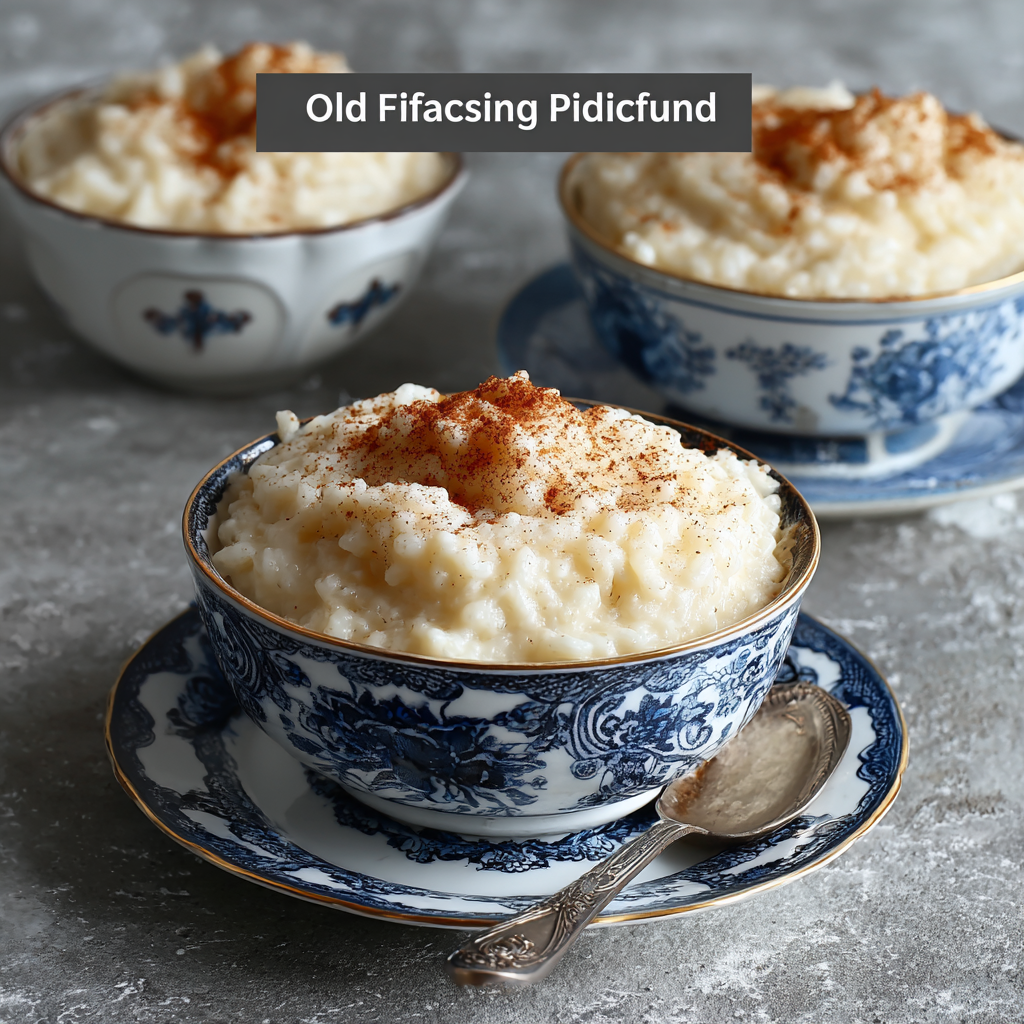
In the hierarchy of heritage desserts, Old-Fashioned Rice Pudding represents a sophisticated study in Starch Gelatinization and Controlled Hydration. Unlike quick-cook methods, the traditional “Slow-Simmer” or “Bake” technique relies on the gradual release of amylopectin from the rice grain into a sweetened dairy matrix. The technical challenge is the “Starch-to-Liquid” Equilibrium: you must achieve a thick, pourable custard that suspends the softened grains without turning into a solid, refrigerated brick.
Data from food science indicates that the Fat-to-Protein Ratio in the milk is the primary driver of mouthfeel. Using whole milk (3.5% fat) provides the necessary phospholipids to coat the rice starch, preventing the grains from clumping and ensuring a “velvet” finish.
Essential Mise en Place: Technical Specs
To achieve a restaurant-grade “creamy” crumb and a classic skin, the variety of rice and the thermal stability of the dairy are the most critical factors.
The Foundation (The Grain)
- Short-Grain White Rice (100g / 1/2 cup): Technical Requirement: Use Arborio or “Pudding Rice.” These varieties have a higher surface starch content than long-grain rice, which is essential for thickening the milk without adding flour or cornstarch.
- Whole Milk (1 L / 4 cups): Provides the aqueous base and the primary lipids.
- Granulated Sugar (65g / 1/3 cup): To provide the “sweetness” and assist in the tenderization of the grain.
The Aromatic & Inclusion Matrix
- Vanilla Bean or Extract: To provide the floral “top notes.”
- Cinnamon & Nutmeg: The “Classic Warming Duo” for olfactory depth.
- Golden Raisins (optional): Plumped in the milk to provide a “tart-sweet” textural contrast.
- Pinch of Sea Salt: To “up-regulate” the dairy sugars.
The Masterclass: Step-by-Step Culinary Execution
Phase 1: The “Low-Shear” Hydration
In a heavy-bottomed saucepan, combine the milk, rice, sugar, and salt. Bring to a very gentle simmer over medium-low heat. Technical Requirement: Do not boil aggressively. High heat can scorch the milk proteins at the bottom of the pan and cause the rice to cook unevenly.
Phase 2: The “Continuous-Agitation” Phase
Cook for 45–60 minutes, stirring every few minutes. This “Agitation Technique” mimics the risotto method, physically rubbing the starch off the rice grains to thicken the milk. The mixture is ready when the rice is tender and the liquid has reduced to a “thick-cream” consistency.
Phase 3: The “Carry-Over” Thickening
Remove from heat and stir in the vanilla and raisins. Expert Tip: The pudding will look slightly “soupy” when hot. As it cools, the starches will continue to hydrate and the lipids will solidify, significantly increasing the viscosity. Do not over-cook it on the stove, or it will become too dense once chilled.
Phase 4: The “Skin-Set” (The Classic Finish)
Transfer to a bowl. If you enjoy the “traditional skin,” leave it uncovered while cooling. If you prefer a perfectly smooth surface, press plastic wrap directly onto the surface of the pudding to prevent a protein-dehydration layer from forming.
Common Technical Pitfalls to Avoid
- The “Grainy” Texture: Caused by using long-grain (Jasmine/Basmati) rice, which doesn’t release enough starch, or by under-cooking the rice. The grains should be “mashable” between the tongue and palate.
- Scorched Milk: Always use a heavy-bottomed pot. Thin pans create “hot spots” that burn the lactose sugars, resulting in brown flecks and a bitter aftertaste.
- The “Solid Block” Effect: If the pudding is too thick after refrigerating, stir in a splash of cold milk or heavy cream to re-emulsify the matrix before serving.
Frequently Asked Questions (Q&A)
| Question | Expert Answer |
|---|---|
| Can I bake it? | Yes. Bake in a water bath (Bain-Marie) at 150°C for 2 hours for a “Baked Rice Pudding” with a caramelized top. |
| Why use short-grain rice? | Short-grain rice contains more amylopectin, the starch responsible for creating a “sticky” and creamy sauce. |
| Can I make it vegan? | Use full-fat coconut milk or cashew milk. Avoid almond milk, as it lacks the protein density to create a thick custard. |