Follow Me On Social Media!
The Superfood Revolution: Gourmet Spirulina-Infused Hummus

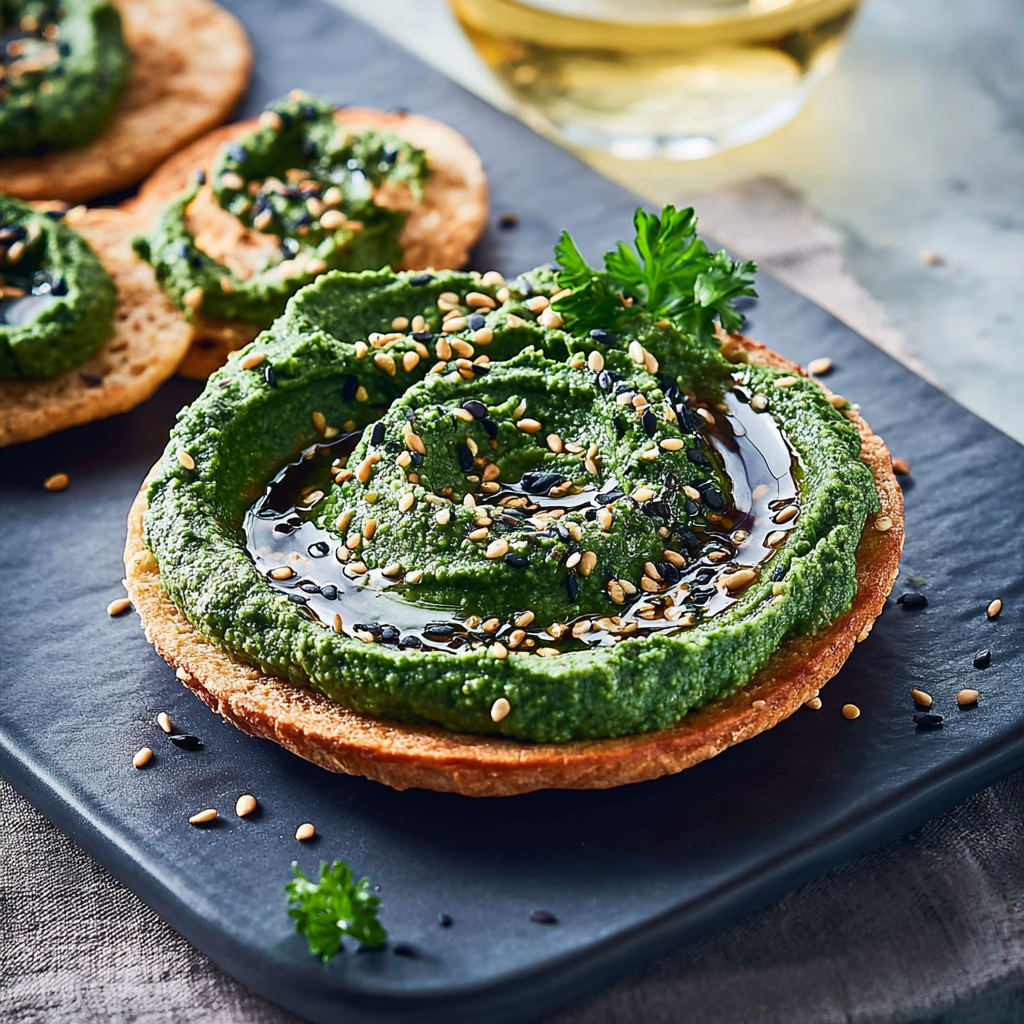
The Fusion of Ancient Legumes and Modern Phytonutrients
In the evolving landscape of functional nutrition, Spirulina Hummus stands as a sophisticated intersection of Mediterranean tradition and blue-green algae biotechnology. While standard hummus is already a nutritional powerhouse of plant-based protein and complex carbohydrates, the professional integration of spirulina—a nutrient-dense cyanobacterium—elevates the dish into a “super-hummus.” Data from nutritional science indicates that spirulina contains over 60% complete protein by weight and is one of the most potent sources of chlorophyll and antioxidants available.
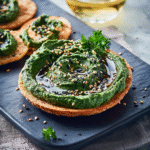
This preparation is not merely about color; it is a meticulous balance of the earthy, sea-like notes of spirulina with the nutty richness of tahini and the acidic brightness of fresh lemon. When executed correctly, the spirulina enhances the creaminess of the chickpeas while providing a striking, deep emerald hue that transforms a simple dip into a gourmet centerpiece.
The Essential Mise en Place: Ingredients and Technical Specs
Achieving a professional-grade emulsion requires high-quality fats and properly processed legumes. The “grit” often found in home-made hummus is avoided through thermal management and skin removal.
The Foundation
- Cooked Chickpeas (15 oz / 400g): For the smoothest texture, use chickpeas that have been over-cooked until very soft. If using canned, rinse thoroughly in warm water.
- Premium Tahini (½ cup): Look for a runny, toasted sesame paste. The quality of your tahini dictates 50% of the final flavor profile.
- Fresh Lemon Juice (3-4 tbsp): Never use bottled juice; the fresh enzymes are necessary to cut through the density of the algae.
The Superfood & Aromatics
- Spirulina Powder (1-2 tsp): Start with one teaspoon. Spirulina is potent; a professional balance ensures the “oceanic” flavor remains a subtle undertone rather than an overwhelming presence.
- Garlic (1 small clove): Grated into a paste to avoid raw chunks.
- Ice Water (2-4 tbsp): The “secret” to the characteristic white, fluffy texture of restaurant-style hummus.
- Extra Virgin Olive Oil: For finishing only.
The Masterclass: Step-by-Step Culinary Execution
Phase 1: The Tahini Emulsion
In a high-speed food processor, combine the tahini, lemon juice, and garlic paste. Process for 1 minute until the mixture becomes thick and pale. This step aerates the sesame paste, creating the structural “loft” required for a light dip.
Phase 2: Incorporating the Algae
Add the spirulina powder to the tahini base. Processing the powder with the fats first ensures it is perfectly distributed and prevents any clumping or “dusty” mouthfeel in the final product. The mixture will turn a vibrant, dark green.
Phase 3: The Chickpea Integration
Add the chickpeas and a pinch of sea salt. Process for 3–5 minutes. A professional hummus is not “mixed”; it is “pulverized” into a silken cream.
Phase 4: The Ice-Water “Flash”
While the processor is running, slowly drizzle in the ice water. You will see the hummus transform from a heavy paste into a light, whipped mousse. This temperature shock lightens the color and creates a professional, spreadable consistency.
Common Technical Pitfalls to Avoid
- The “Muddy” Flavor: Over-adding spirulina can lead to a metallic or overly “fishy” taste. Always start with a small amount and taste as you go.
- Grainy Texture: If your chickpeas are firm, the hummus will be grainy. Pro Tip: Simmer your canned chickpeas in water with a pinch of baking soda for 10 minutes before blending to soften the skins completely.
- Oxidation: Spirulina is sensitive to light and air. Store the hummus with a thin layer of olive oil on top to act as a natural seal.
Nutritional Insights and Serving Suggestions
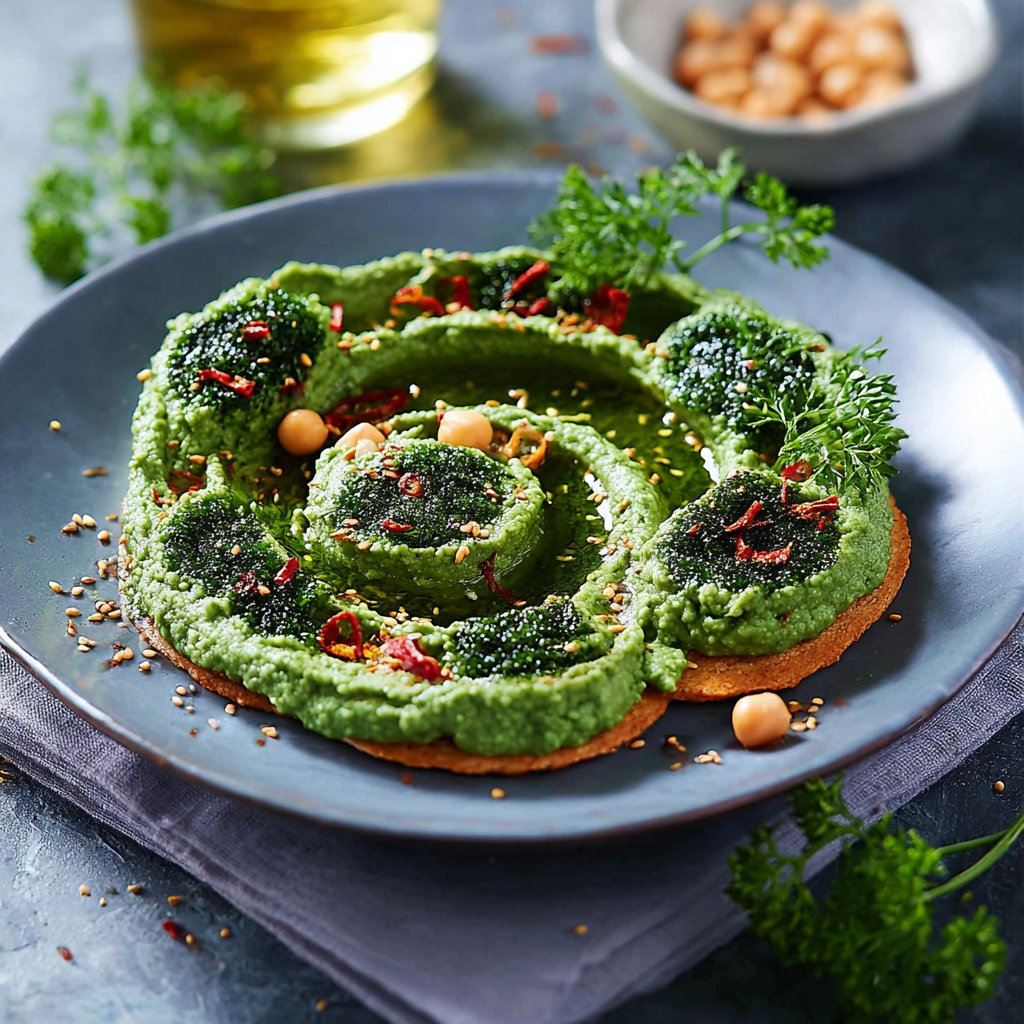
A single serving of Spirulina Hummus provides a significant dose of Iron, B-vitamins, and Vitamin K. It is an exceptional recovery snack for athletes or a nutrient-dense option for those on plant-based diets.
- The Garnish: Sprinkle with toasted hemp seeds and a pinch of sumac for a color contrast that pops.
- The Pairing: Serve with raw crudités (cucumber, radish) or warm, whole-grain pita. The fresh crunch of vegetables perfectly complements the velvet-like texture of the dip.
Conclusion: Elevating the Everyday
The Spirulina Hummus is a testament to how traditional recipes can be modernized through the lens of functional health. By mastering the tahini emulsion and the ice-water flash, you create a dip that is as aesthetically stunning as it is nutritionally dense. It is a sophisticated, vibrant addition to any modern table, proving that “superfoods” can be truly delicious when handled with professional technique.
Frequently Asked Questions (Q&A)
Q: Does spirulina change the taste of the hummus?
A: Yes, but subtly. It adds a savory, slightly “salty-sea” depth that is similar to seaweed. When balanced with enough lemon and garlic, it becomes a complex savory note rather than a fishy one.
Q: Can I use chlorella instead of spirulina?
A: You can, though chlorella has a slightly more “grassy” flavor. Both offer similar vibrant green colors and high nutritional values.
Q: How long does spirulina hummus last?
A: Because of the fresh lemon juice, it stays fresh in the refrigerator for 3 to 4 days. Note that the green color may deepen over time as the chlorophyll settles.
Q: Is this safe for children?
A: Generally, yes! It’s a fun way to introduce kids to “Green Power” food. However, as with all algae-based products, ensure you are using a high-quality, organic brand of spirulina to avoid heavy metal contamination.
Would you like me to design a “Superfood Platter” guide to complement this hummus with other nutrient-dense snacks?