Follow Me On Social Media!
The Tex-Mex Architect: Homemade Chicken Fajitas

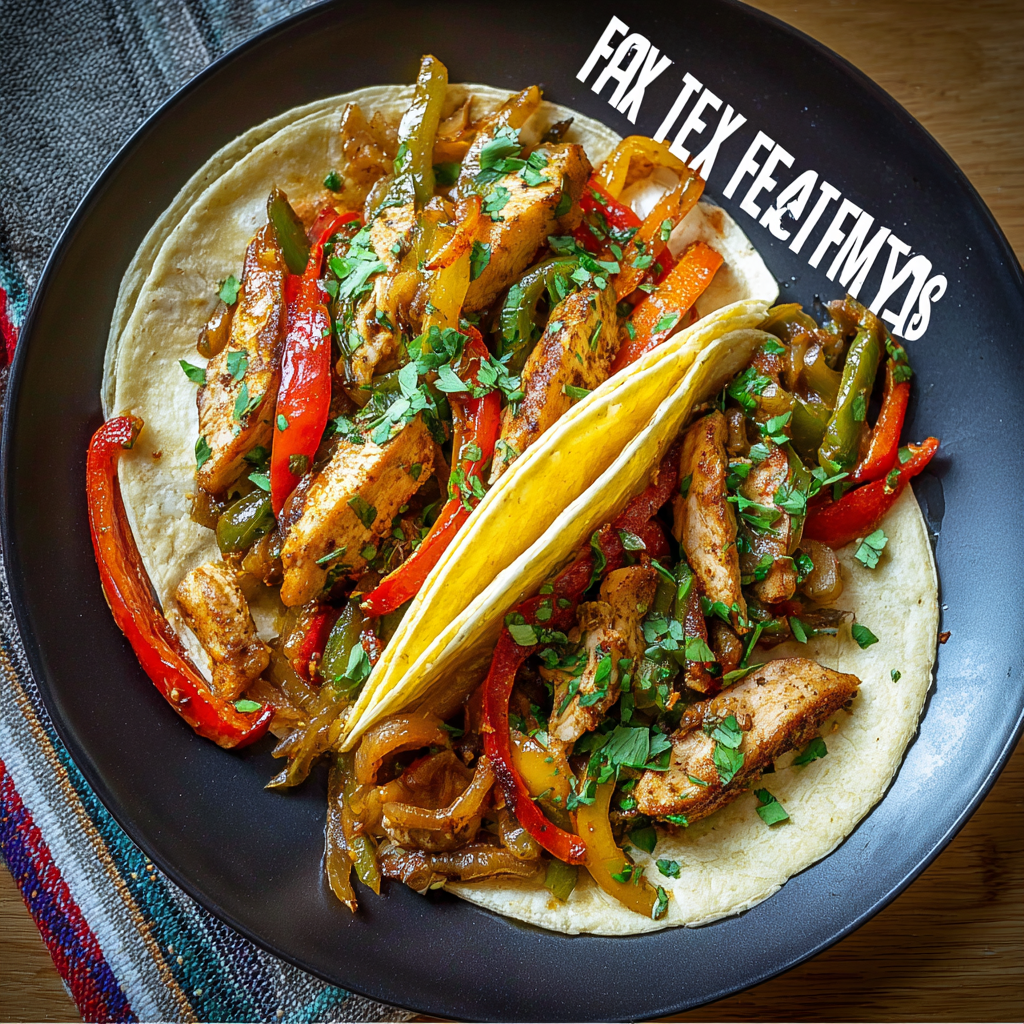
The Gastronomic Architecture: The “Flash-Thermal” Searing
In the hierarchy of Tex-Mex engineering, Chicken Fajitas represent a sophisticated study in High-Surface-Area Maillard Reactions and Acidic Protein Denaturation. The technical challenge of the fajita is the “Moisture-to-Char” ratio: chicken breast is lean and prone to dehydration, while the signature “sizzle” requires intense heat. By utilizing a Citrus-Oil Emulsion as a marinade, you provide a sacrificial lipid layer that browns rapidly, protecting the internal muscle fibers from the drying effects of a 260°C (500°F) cast-iron surface.
Data from flavor science suggests the “irresistibility” factor is the Capsaicin-Smoke Loop: the capsicum from chili powder and the guaiacol from smoked paprika are “bloomed” in hot oil, creating a high-intensity aromatic profile that defines the classic “skillet aroma.”
Essential Mise en Place: Technical Specs
To achieve a restaurant-grade “sizzle” and succulent meat, the uniform slicing of the protein and the “Flash-Point” of the pan are the most critical factors.
The Foundation (The Protein)
- Chicken Breasts or Thighs (750g): Technical Requirement: Slice into uniform strips (1cm thick) against the grain.
- Expert Tip: Cutting against the grain shortens the muscle fibers, ensuring a “tender-shear” bite rather than a “stringy” one.
The “Tex-Mex” Marinade Matrix
- Lime Juice (2, freshly squeezed): The primary acid for surface tenderization.
- Neutral Oil (60ml): To facilitate heat transfer and prevent sticking.
- The “Big Three” Spices: 1 tbsp Cumin, 1 tbsp Chili Powder, and 1 tsp Smoked Paprika.
- Aromatics: Minced garlic and a pinch of sugar (to accelerate Maillard browning).
The Vegetable “Snap” Matrix
- Bell Peppers (3, assorted colors) & White Onion: Sliced into strips of equal thickness to the chicken to ensure synchronized cooking.
The Masterclass: Step-by-Step Culinary Execution
Phase 1: The “Acid-Lipid” Infusion
Whisk the marinade ingredients and toss with the chicken. Marinate for 30–60 minutes. Technical Requirement: Do not exceed 2 hours; the high acidity of the lime juice will eventually “cook” the chicken (like ceviche), resulting in a mealy and dry texture once pan-seared.
Phase 2: The “High-Conductivity” Sear
Heat a heavy cast-iron skillet over high heat until it begins to wispy-smoke. Add a splash of oil. Sear the chicken in batches. Expert Tip: Do not crowd the pan. If you add too much meat, the pan temperature drops, and the chicken will “stew” in its own juices rather than achieving a charred crust.
Phase 3: The “Aromatic-Steam” Deglaze
Remove the chicken. Immediately add the peppers and onions to the hot pan. The residual moisture from the vegetables will “deglaze” the savory chicken bits (fond) from the bottom of the pan. Cook for 4–5 minutes until the edges are charred but the vegetables still maintain a “crisp-snap” structural integrity.
Phase 4: The “Sizzle” Re-Integration
Return the chicken to the pan and toss with the vegetables for 60 seconds. Add a final squeeze of fresh lime juice. The “Hissing” sound is the instant evaporation of the juice, which creates a concentrated steam that infuses the meat with final aromatic notes.
Common Technical Pitfalls to Avoid
- The “Grey” Chicken: Caused by a pan that isn’t hot enough. Cast iron is preferred for its high thermal mass, which maintains heat even when cold meat is added.
- Soggy Vegetables: Often caused by overcooking. In Tex-Mex architecture, the vegetables should be “Al Dente”—providing a textural contrast to the soft tortilla and tender chicken.
- Cold Tortillas: A fajita is only as good as its vessel. Heat your flour tortillas over an open flame or in a dry pan until they “puff” and develop brown spots.
Frequently Asked Questions (Q&A)
| Question | Expert Answer |
|---|---|
| Can I use Steak? | Yes. Skirt steak is the traditional choice. Follow the same “High-Shear” searing rules, but cook to medium-rare (54°C). |
| Why add sugar to the marinade? | Sugar lowers the temperature required for the Maillard reaction, helping the lean chicken brown quickly before the interior dries out. |
| What are the best toppings? | To balance the smoky heat, use Pico de Gallo, Guacamole, and Sour Cream for high-acid and high-fat cooling effects. |
Export to Sheets