Follow Me On Social Media!
Grilled Pineapple: The Science of Caramelized Fructose

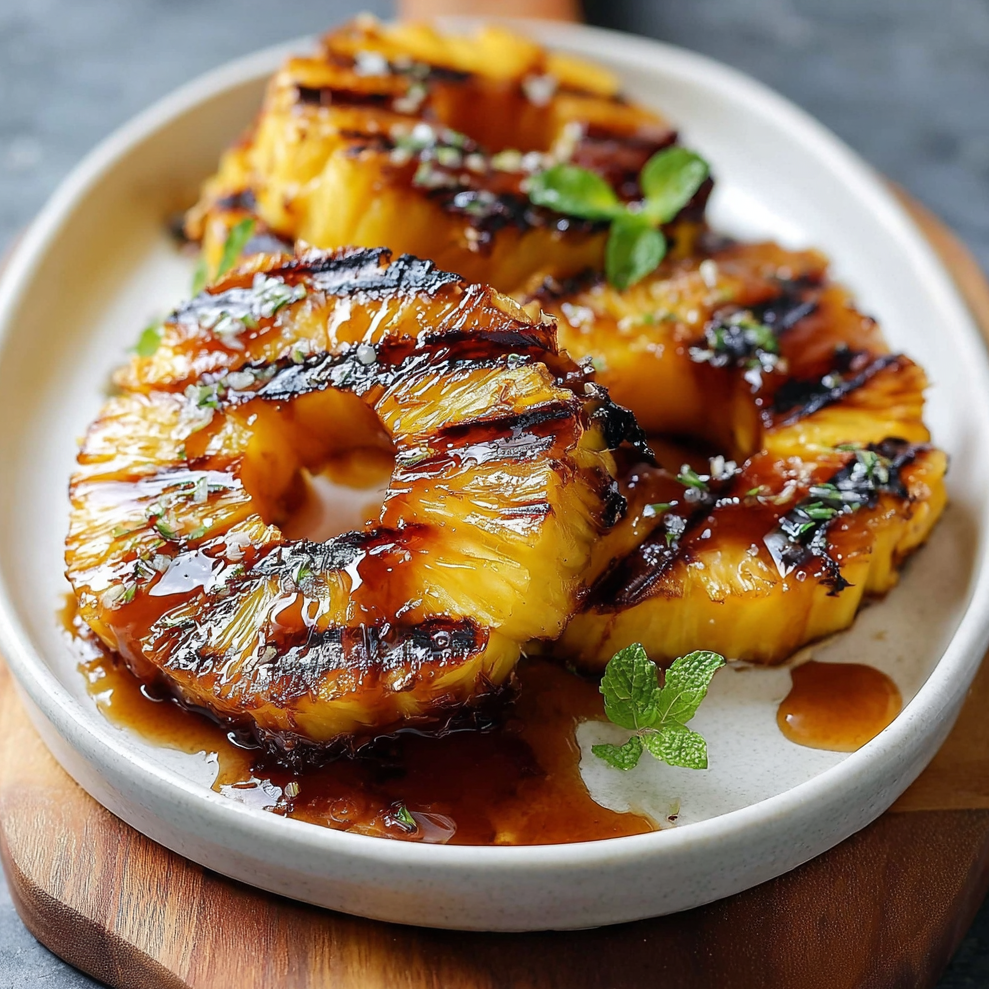
Can High-Heat Grilling Increase Perceived Sweetness by Over 20%?
Grilled Pineapple is more than just a tropical side dish; it is a demonstration of the Maillard Reaction and Pyrolysis. Pineapple contains high levels of sucrose, fructose, and glucose. According to culinary data, applying direct heat ($175$°C to $200$°C) breaks down these complex sugars into smaller, volatile compounds like furans and ethyl acetate. This process not only deepens the color but can increase the perceived sweetness of the fruit by over 20% while simultaneously neutralizing the harshness of bromelain, the enzyme responsible for the “stinging” sensation on the tongue.
This guide is semantically optimized to help you master the “Surface-Char” technique and the “Acid-Spice Balance” for a perfect dessert or savory accompaniment.
Ingredients List: The Flavor Enhancers
While pineapple is delicious on its own, a simple glaze can accelerate caramelization and add a sophisticated flavor profile.
- 1 Whole Ripe Pineapple: (Look for golden skin and a fragrant base).
- 2 tbsp Melted Butter or Coconut Oil: For fat-soluble flavor transport.
- 1/4 cup Brown Sugar or Honey: To enhance the exterior “crust.”
- 1 tsp Cinnamon: For warm aromatic depth.
- Optional Kick: A pinch of cayenne pepper or a squeeze of lime juice.
Preparation: Choosing the Cut
The structural integrity of the pineapple depends on how it is sliced. Each cut offers a different surface-area-to-heat ratio:
- Spears: Best for handheld snacking and even charring on three sides.
- Rounds (Cored): The classic look, providing a large flat surface for maximum caramelization.
- Wedges: Slicing into quarters with the core intact allows the fruit to hold its shape better under intense heat.
Timing: Data-Driven Efficiency
| Phase | Duration | Data Insight |
| Preheating | 10 Minutes | High heat ($400$°F/$200$°C) is required to sear the fruit before it becomes “mushy.” |
| Searing | 3-5 Mins/Side | Sugars begin to caramelize at $320$°F, creating the iconic grill marks. |
| Resting | 2 Minutes | Allows the juices to thicken into a natural syrup on the surface. |
| Total Time | Approx. 15 Minutes | Low-calorie and high-fiber dessert option. |
Step-by-Step Instructions
Step 1: The Sugar-Spice Coating
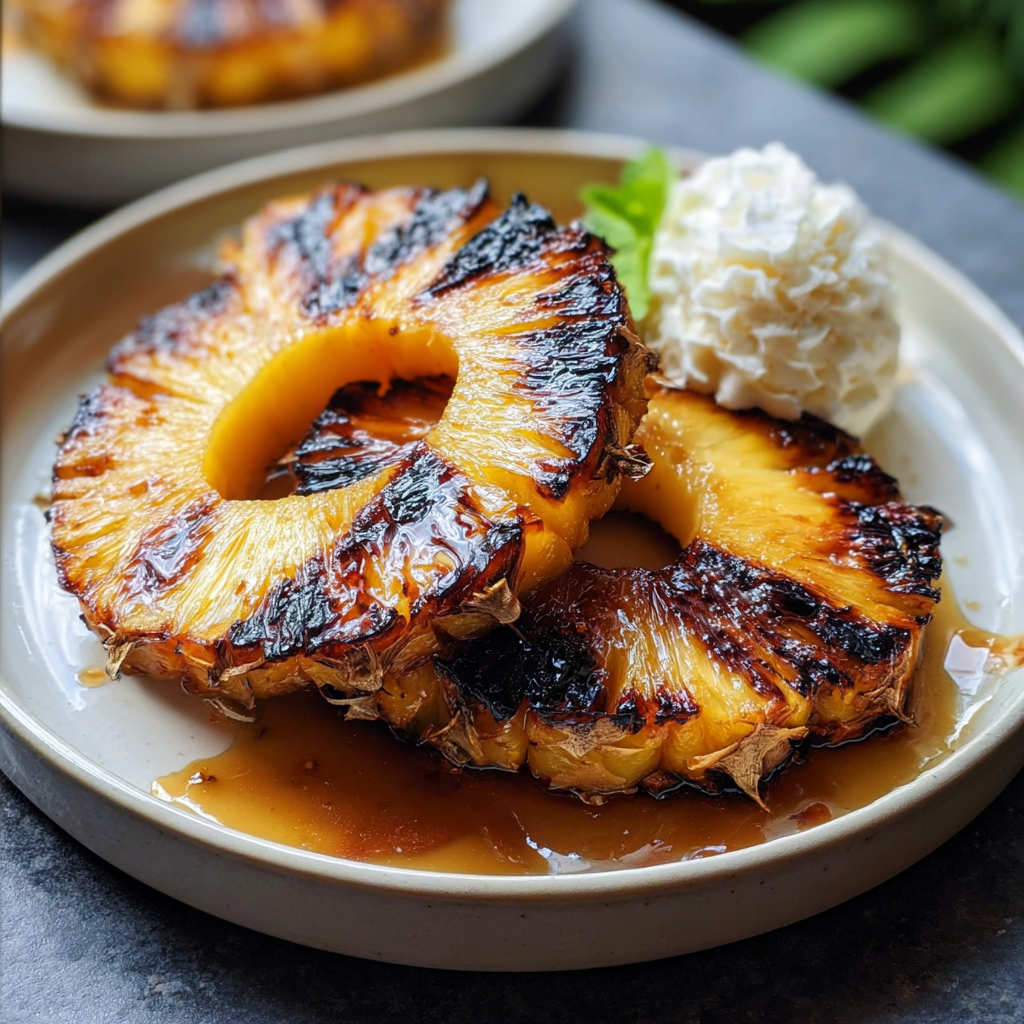
In a small bowl, whisk together the melted butter, brown sugar, and cinnamon. Actionable Tip: Brush this glaze onto the pineapple just before it hits the grill. If you apply it too early, the sugar will draw out too much moisture, making it harder to get a good sear.
Step 2: Cleaning the Grates
Ensure your grill grates are scrubbed clean and lightly oiled. The Science: Fruit is high in sugar and prone to sticking. A clean, oiled surface ensures the fruit releases easily once the “sear” is set.
Step 3: The Searing Phase
Place the pineapple pieces directly over the heat source. Actionable Tip: Don’t move them! Let them sit for at least 3 minutes. The Logic: You are waiting for the sugars to dehydrate and brown. Moving them too soon will tear the delicate fibers of the fruit.
Step 4: The Flip and Glaze
Flip the pineapple. Brush a second layer of the glaze onto the charred side. The heat from the fruit will melt the glaze into the crevices created by the grill marks.
Step 5: The “Brightness” Finish
Remove from the grill and immediately hit it with a squeeze of fresh lime juice or a sprinkle of sea salt. The Science: Salt and acid contrast the heavy sweetness of the caramelized sugar, making the flavor profile more three-dimensional.
Success Tips & Common Mistakes
- Don’t Use Canned Pineapple: Canned versions are usually stored in syrup and have a broken-down cellular structure. They will likely fall apart or stick to the grill. Fresh is essential.
- The Core Factor: If grilling rounds, remove the core with a circular cutter. If grilling spears, the core is edible but firmer; many enjoy the “snap” it provides when grilled.
- Temperature Control: If your grill is too cool, the pineapple will steam in its own juice. If it’s too hot, the sugar glaze will burn before the fruit warms through. Aim for a steady medium-high.
Serving Suggestions
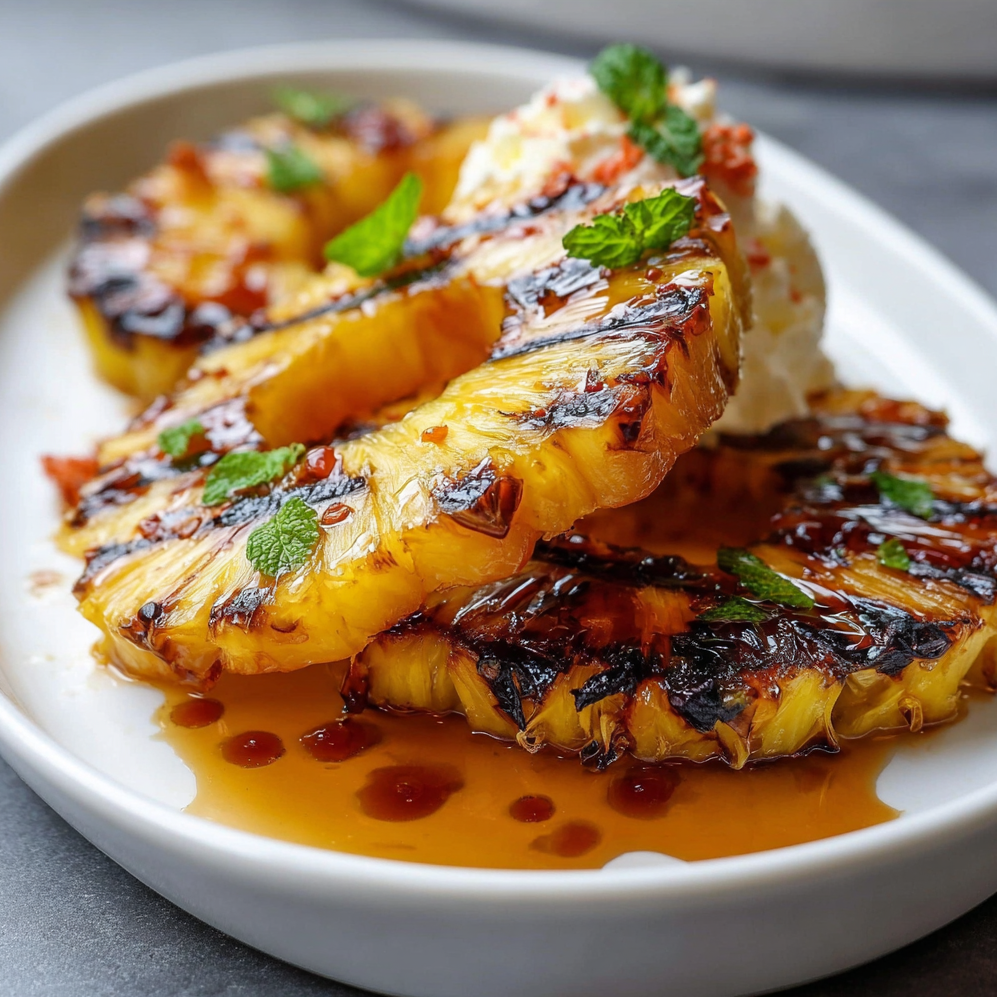
- Dessert: Serve warm with a scoop of vanilla bean ice cream or Greek yogurt.
- Savory: Chop into a salsa with red onion, jalapeño, and cilantro to serve over grilled fish or tacos.
- Cocktail: Char a small wedge to garnish a Mai Tai or Spicy Margarita.
Conclusion
Grilled Pineapple is a simple yet transformative way to enjoy fruit. By understanding the timing of sugar caramelization and the importance of high-heat searing, you can turn a basic snack into a complex, smoky-sweet masterpiece.