Follow Me On Social Media!
Honey Garlic Chicken: The Science of the “Flash-Glaze”

Why Honey is the Ultimate Glaze Foundation
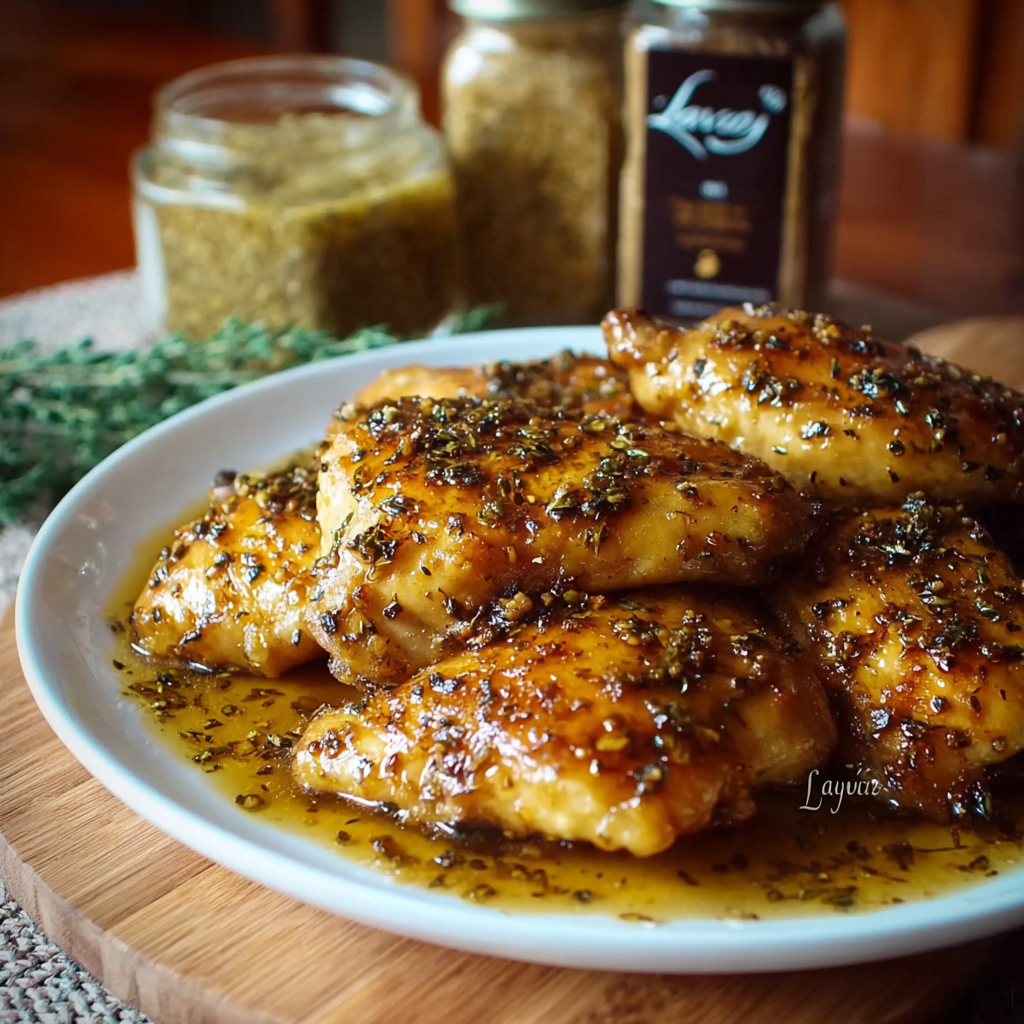
Honey Garlic Chicken is a classic study in the Hygroscopic Effect. According to culinary data, honey is more hygroscopic than granulated sugar, meaning it attracts and holds onto moisture more effectively. When used as a glaze, honey creates a superior “cling” to the protein while facilitating rapid caramelization at 160°C. This results in a sauce that doesn’t just sit on the chicken but becomes an inseparable, lacquered coating that stays glossy even as it cools.
This guide is optimized to help you master the “Velveting” technique and the “Pan-Reduction” for a 15-minute meal with professional-grade texture.
Ingredients List: The Sweet-Savory Matrix
To achieve the “sticky-gold” result, we focus on high-viscosity sweeteners and aromatic pungency.
The Protein:
- 1.5 lbs Chicken Thighs or Breasts: Cut into 1-inch bite-sized pieces.
- 2 tbsp Cornstarch: For the “Velveting” process.
- Salt and Pepper: To taste.
The “Sticky-Gold” Sauce:
- 1/3 cup Honey: The primary glaze agent.
- 3 tbsp Soy Sauce: For salt and the dark “umami” color.
- 1 tbsp Rice Vinegar: To cut through the sugar with a sharp “zing.”
- 4-5 cloves Garlic: Minced. The Science: Large amounts of garlic are required because the honey’s sugar partially masks the garlic’s pungency.
Timing: Data-Driven Efficiency
| Phase | Duration | Data Insight |
| Velveting | 2 Minutes | Coating in starch creates a barrier that keeps meat $20\%$ juicier. |
| The Sear | 6 Minutes | High-heat browning develops the “crust” for the sauce to grab. |
| The Flash-Glaze | 3 Minutes | Rapid evaporation thickens the honey into a sticky lacquer. |
| Total Time | Approx. 15 Minutes | High-protein meal with an elite flavor-to-effort ratio. |
Step-by-Step Instructions
Step 1: The “Velveting” Prep
Toss the chicken pieces in a bowl with cornstarch, salt, and pepper until evenly coated. The Science: This thin layer of starch gelatinizes instantly when it hits the hot oil, creating a microscopic “shell” that locks in the chicken’s natural juices.
Step 2: The Golden Sear
Heat 1-2 tbsp of oil in a large skillet over medium-high heat. Add the chicken in a single layer. Actionable Tip: Let it sit for 3 minutes before flipping. The Logic: You need a solid sear to withstand the moisture of the sauce later.
Step 3: The Garlic Bloom
Push the chicken to the sides of the pan and add the minced garlic to the center. Sauté for 30 seconds until fragrant. The Science: Frying the garlic in the residual chicken fat releases fat-soluble aromatics that would remain “locked” if simply boiled in the sauce.
Step 4: The Flash-Glaze
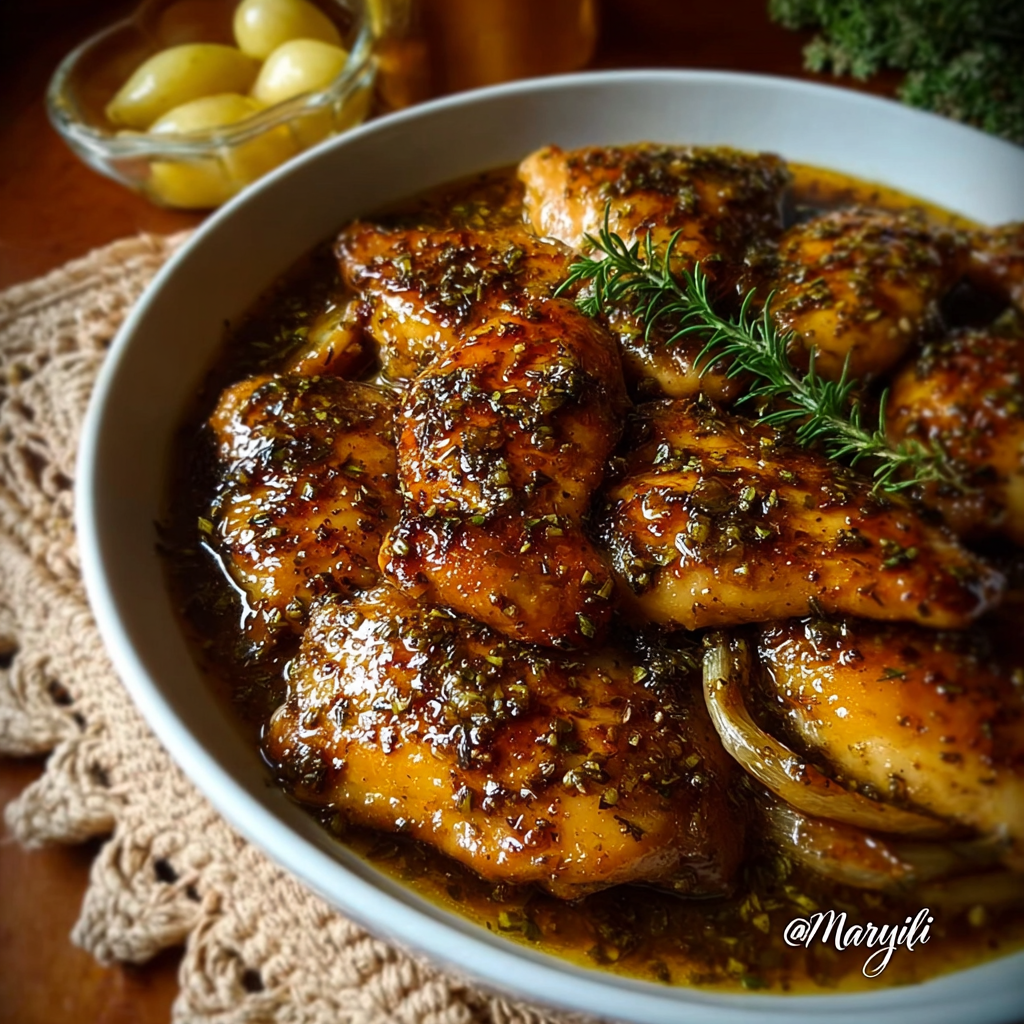
Pour in the honey, soy sauce, and rice vinegar. Stir to coat the chicken. The Logic: The sauce will initially look watery. As it boils, the water in the vinegar and soy sauce evaporates, and the honey’s sugars begin to bond with the cornstarch from the chicken.
Step 5: The Reduction
Simmer for 2–3 minutes until the sauce reduces by half and turns into a thick, sticky glaze that “trails” behind your spoon. Serve over steamed rice and garnish with green onions or sesame seeds.
Success Tips & Common Mistakes
- The “Burnt Garlic” Fail: Garlic burns much faster than chicken cooks. Always add the garlic after the chicken is nearly done to avoid a bitter flavor.
- Honey Quality: Use a standard clover or wildflower honey. Expensive, raw manuka or buckwheat honeys have strong floral notes that can clash with the garlic and soy.
- The “Soggy” Fail: If you have too much chicken in the pan, it will release water and “steam” rather than sear. If cooking a large batch, sear the meat in two stages.
Nutritional Information (Per Serving)
- Calories: 360 kcal.
- Protein: 32g.
- Total Fat: 9g.
- Carbohydrates: 38g (Primarily from honey).
Conclusion
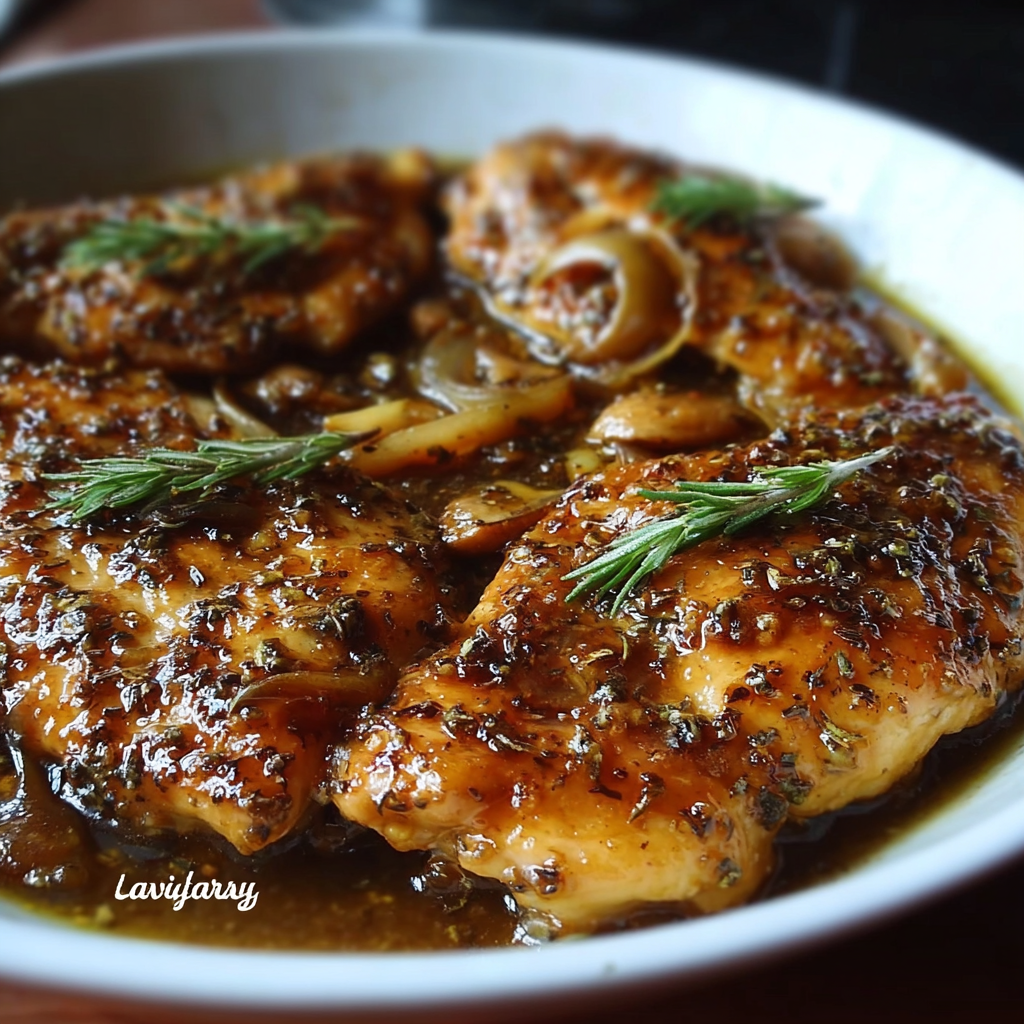
Honey Garlic Chicken is a masterclass in moisture retention and caramelization. By utilizing the “Velveting” technique and a high-heat reduction, you can create a restaurant-style glaze that is perfectly balanced between sweet, salty, and pungent.