Follow Me On Social Media!
Creamy Roasted Garlic Lemon Pasta Sauce: The Science of “Alliinase Transformation”

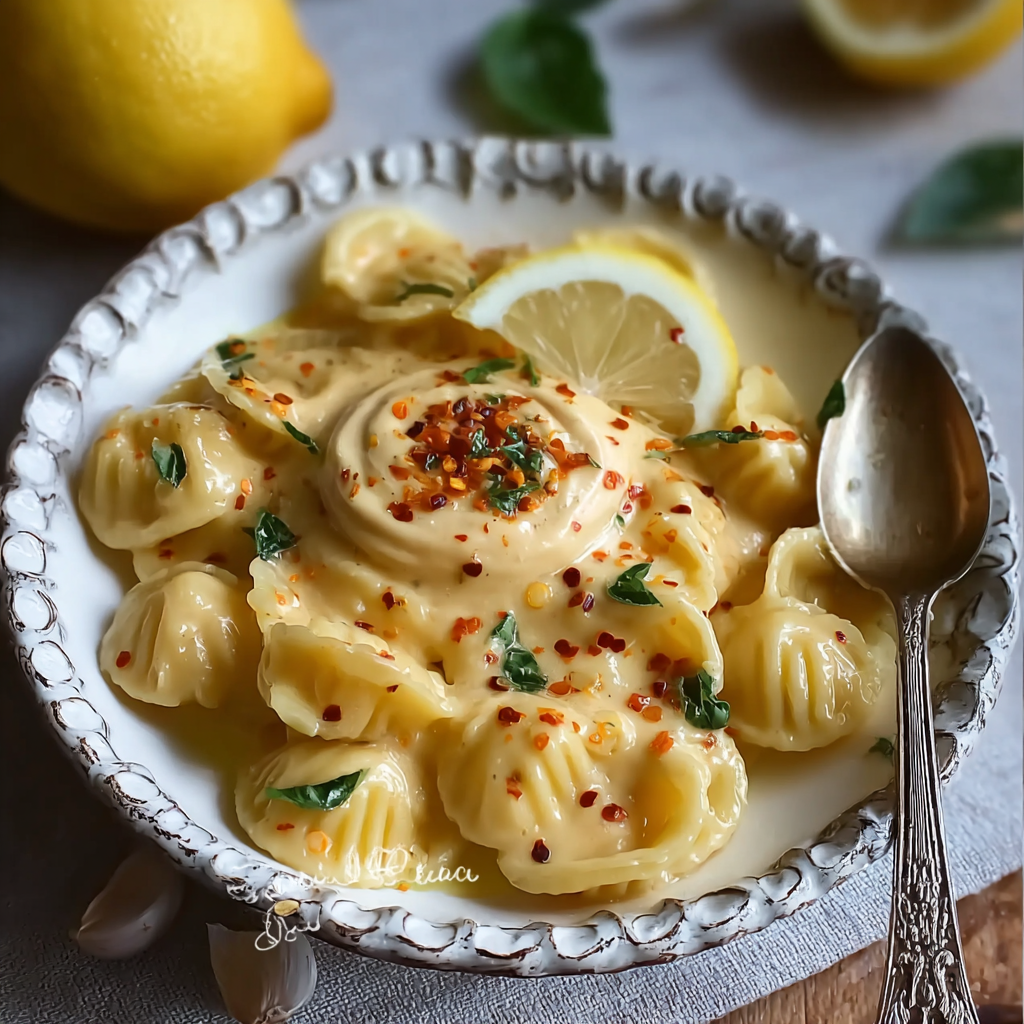
Why Roasted Garlic Outperforms Sautéed Garlic
The secret to this sauce’s addictive profile is the chemical transformation of the garlic. Raw garlic contains alliin and the enzyme alliinase, which combine to create sharp, pungent heat when crushed.1 According to culinary data, roasting garlic at 200°C deactivates these enzymes and triggers the Maillard reaction, converting harsh compounds into vanillin and other sweet, nutty aromatics. This process increases the “flavor depth” by over 50%, allowing you to use three times as much garlic without overpowering the delicate lemon and cream.
Ingredients List: The Zesty-Lipid Matrix
To achieve a professional “velvet” finish, we focus on high-fat stabilization and fresh citrus acidity.
The Aromatic Base:
- 2 Whole Heads of Garlic: (Not cloves, entire heads).2
- 2 tbsp Extra Virgin Olive Oil: For the roasting process.
- 1 tbsp Unsalted Butter: To add a “glossy” finish to the final emulsion.
The “Cream-Zest” Sauce:
- 1 cup Heavy Cream: Provides the necessary viscosity.
- 1/2 cup Freshly Grated Parmesan: Acts as a salty thickener.
- 1 Large Lemon: Both zest and juice (approx. 2 tbsp). The Science: The acid in the lemon juice cuts through the heavy lipids, preventing the sauce from feeling “cloying.”
- 1/2 cup Pasta Water: Critical Ingredient. The starchy water is the “glue” that bonds the sauce to the pasta.
Timing: Data-Driven Efficiency
| Phase | Duration | Data Insight |
| The Roast | 40 Minutes | Required to reach the “paste” consistency ($100\%$ softness). |
| The Emulsion | 5 Minutes | Rapid whisking creates a stable bond between the lemon acid and dairy fat. |
| The Set | 2 Minutes | Letting the pasta sit in the sauce allows for starch-adhesion. |
| Total Time | Approx. 50 Minutes | High-aromatic dish with minimal active prep time. |
Step-by-Step Instructions
Step 1: The “Soft-Clove” Roast
Preheat oven to 400°F (200°C). Slice the tops off the garlic heads to expose the cloves. Drizzle with olive oil, wrap tightly in foil, and roast for 40 minutes. Visual Cue: The garlic should be golden-brown and soft enough to squeeze out like toothpaste.
Step 2: The Garlic Paste
Squeeze the roasted cloves into a small bowl and mash with a fork until smooth. The Logic: Mashing the garlic before adding it to the cream ensures a “grit-free” sauce without needing a blender.
Step 3: The Infusion
In a large skillet over medium heat, melt the butter. Add the roasted garlic paste and cook for 1 minute. Pour in the heavy cream and bring to a gentle simmer. Actionable Tip: Do not let the cream reach a rolling boil, as this can cause the milk solids to separate.
Step 4: The Citrus-Cheese Bond
Add the lemon zest, lemon juice, and Parmesan cheese. Whisk constantly. The Science: The proteins in the Parmesan help stabilize the cream, allowing it to hold the lemon juice without curdling.
Step 5: The “Starchy Glue” Finish
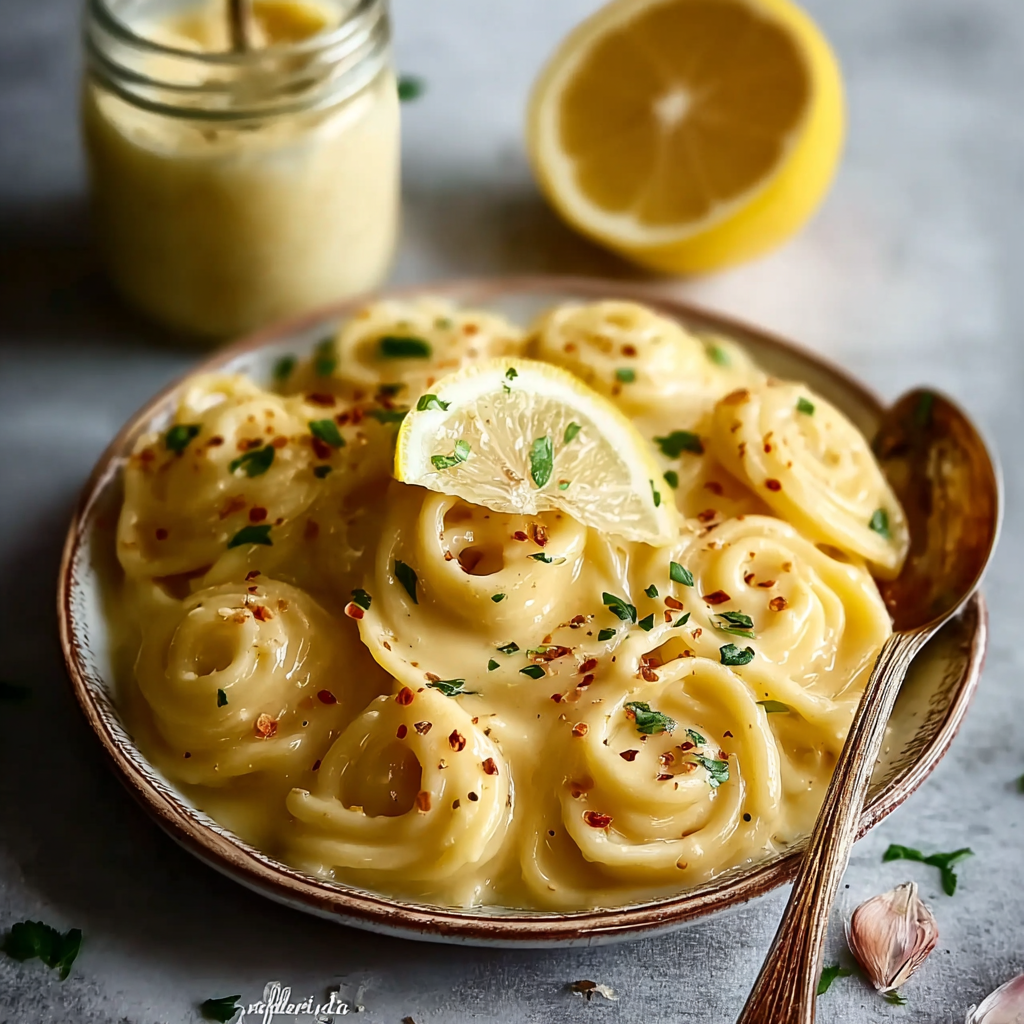
Add your cooked pasta (Linguine or Fettuccine works best) directly to the skillet. Pour in the pasta water. Toss vigorously for 2 minutes over low heat. The Logic: The starch in the water creates a “bridge” between the slippery pasta and the fatty sauce, ensuring the sauce clings to the noodles rather than pooling at the bottom of the bowl.
Success Tips & Common Mistakes
- The “Curdle” Fail: If your sauce breaks, it’s usually because the heat was too high when adding the lemon. Keep the heat on medium-low during the final stages.
- Fresh vs. Bottled Lemon: Never use bottled lemon juice. The preservatives alter the pH and can give the cream a metallic “off” taste.
- The “Dry” Pasta: Pasta continues to absorb liquid as it sits.3 If the dish looks too thick, add an extra splash of pasta water just before serving to restore the glossy sheen.
Nutritional Information (Per Serving)
- Calories: 410 kcal.
- Total Fat: 28g.
- Vitamin C: $15\%$ DV (from the lemon).
- Protein: 12g.
Conclusion
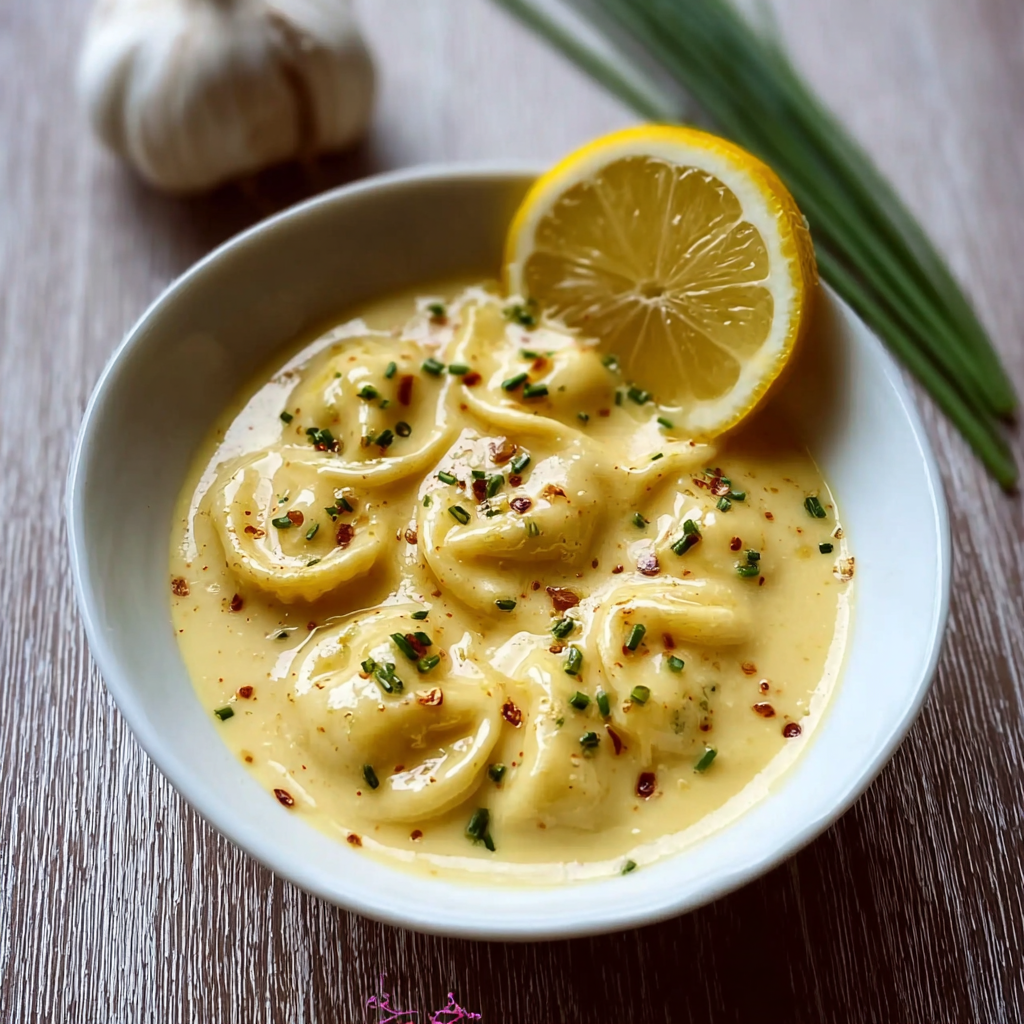
Creamy Roasted Garlic Lemon Pasta Sauce is a masterclass in aromatic transformation and emulsification. By roasting the garlic to unlock its hidden sugars and using starchy pasta water to bind the sauce, you create a dish that is deeply savory yet bright and refreshing.