Follow Me On Social Media!
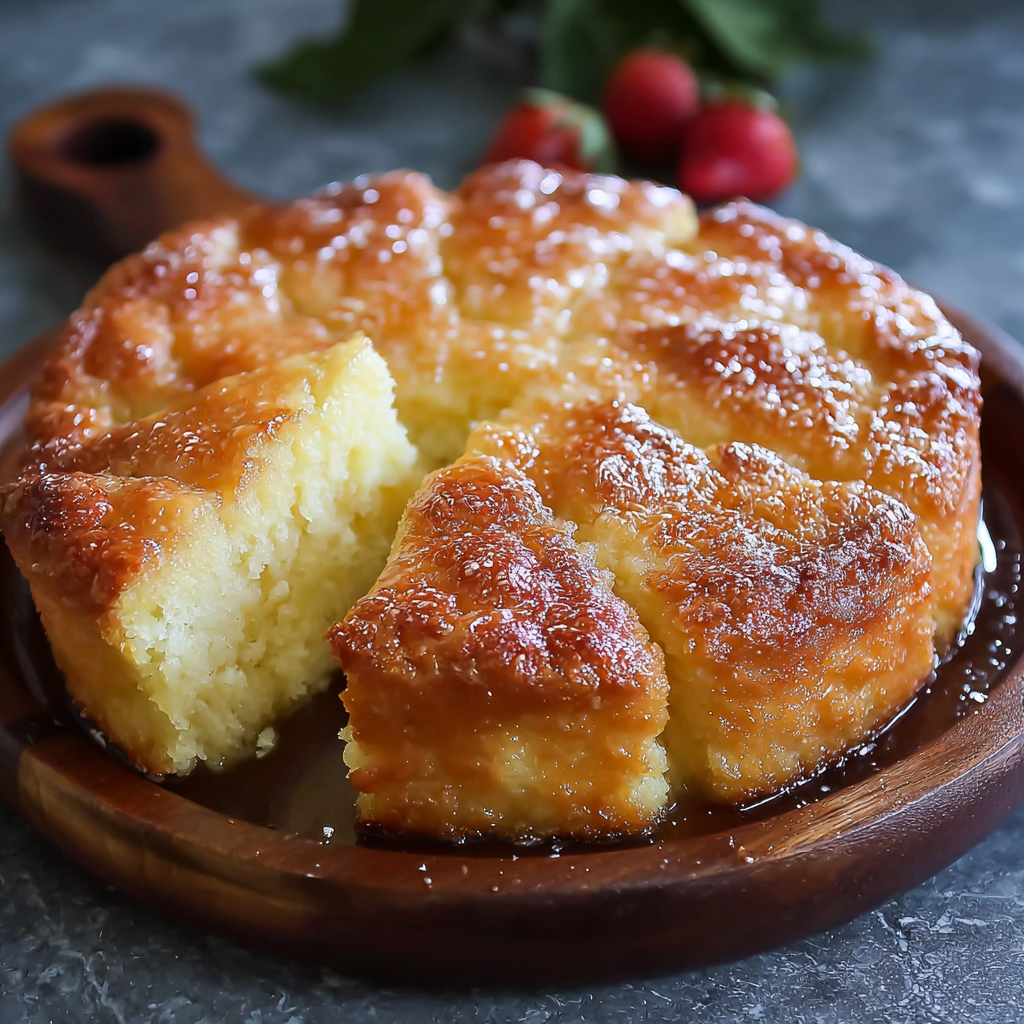
Classic Butter Cake: The Science of the “Creaming Method”

Why Butter Temperature is the Critical Variable
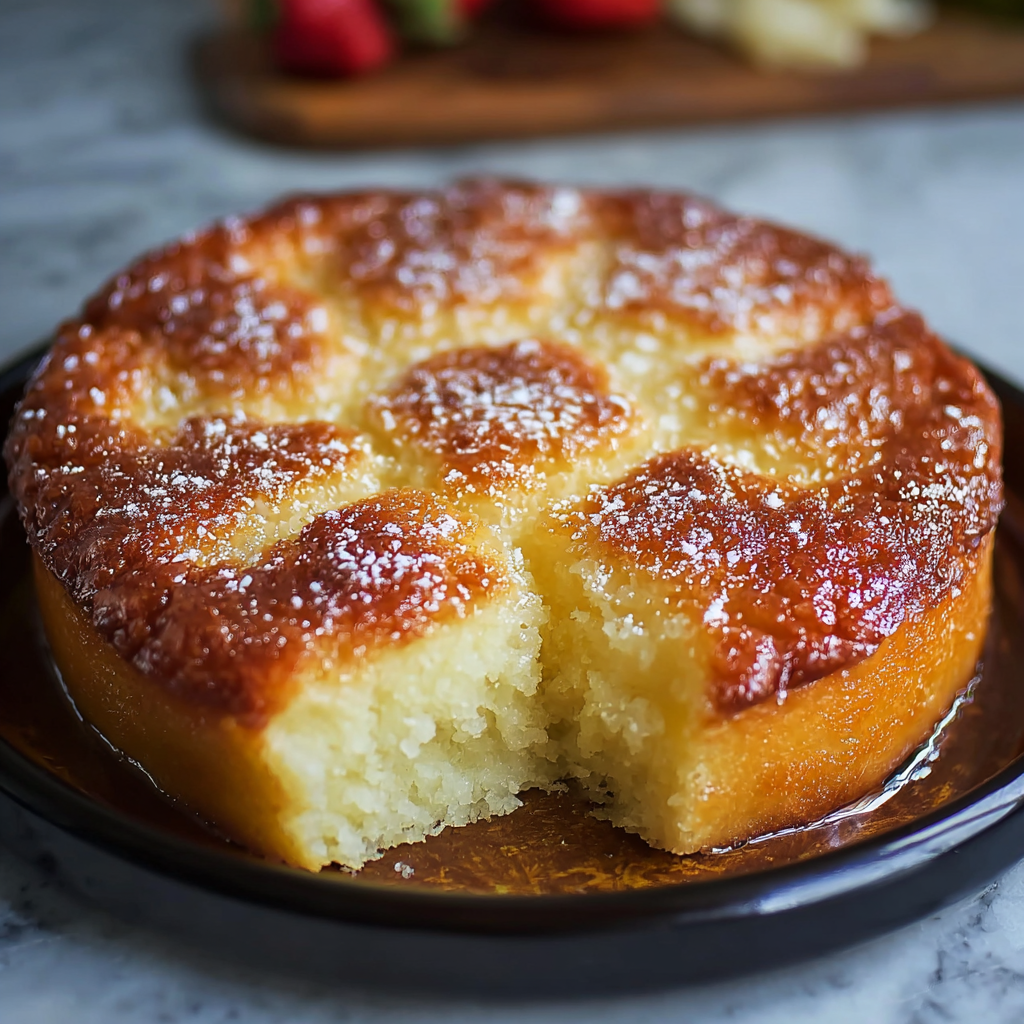
The “Classic Butter Cake” (or Pound Cake variant) relies on a mechanical process called leavening by aeration. Unlike sourdough or yeast breads, which use biological leavening, a butter cake gets its lift from millions of microscopic air bubbles trapped in fat.
According to culinary data, the ideal temperature for butter is $18$°C to $20$°C. At this range, the butter is plastic enough to deform and trap air but firm enough to hold its structure. If the butter is too warm (melting), it cannot hold air, resulting in a dense, “oily” cake.1 If it is too cold, the sugar crystals cannot “drill” into the fat to create air pockets, leading to a heavy, coarse crumb.
Ingredients List: The Structural Matrix
To achieve the “elite” melt-in-your-mouth texture, we focus on the balance between fats (tenderness) and proteins (structure).
- 1 cup (226g) Unsalted Butter: Softened to room temperature.
- 1 ¾ cups (350g) Granulated Sugar: The “abrasive” agent that creates air pockets.
- 3 Large Eggs: (Room temperature). The Science: Cold eggs will “seize” the creamed butter, breaking the emulsion.
- 3 cups (375g) All-Purpose Flour: Provides the gluten scaffold.
- 1 cup Whole Milk: To hydrate the starches.
- 2 tsp Baking Powder: For chemical leavening backup.
- 1 tbsp Vanilla Extract & ½ tsp Salt.
Timing: Data-Driven Efficiency
| Phase | Duration | Data Insight |
| The Creaming | 5 Minutes | High-speed mixing increases volume by up to $20\%$. |
| The Emulsion | 2 Minutes | Adding eggs slowly prevents “breaking” the fat-water bond. |
| The Bake | 45-55 Minutes | $175$°C triggers the Maillard Reaction for a golden crust. |
| Total Time | Approx. 75 Minutes | High-utility base for birthdays or tea time. |
Step-by-Step Instructions
Step 1: The Aeration (Creaming)
Beat the softened butter and sugar on medium-high speed for at least 5 minutes.
Visual Cue: The mixture should transform from yellow and gritty to pale ivory and “fluffy.”
The Science: This is not just mixing; you are physically forcing air into the fat using the jagged edges of the sugar crystals.
Step 2: The Egg Emulsion
Add the eggs one at a time, beating for 30 seconds after each addition.
Actionable Tip: If the mixture starts to look “curdled,” add a tablespoon of your measured flour.2
The Logic: You are creating an emulsion of water (from the egg whites) and fat (from the butter). The lecithin in the egg yolks acts as the stabilizer.3+1
Step 3: The Alternating Addition
Sift the dry ingredients (flour, baking powder, salt).4 Add $1/3$ of the flour to the butter mixture, followed by $1/2$ of the milk. Repeat, ending with the flour.
The Science: This “Dry-Wet-Dry” method prevents the flour from over-developing gluten (which makes the cake tough) and prevents the milk from breaking the emulsion.5+1
Step 4: The Bake
Pour the batter into a greased and floured 9-inch pan. Bake at 350°F (175°C) for 45–55 minutes.
Critical Step: Do not open the oven door during the first 30 minutes. The sudden drop in temperature can cause the expanding air bubbles to collapse before the protein structure has “set.”
Step 5: The Carry-Over Cook
Cool the cake in the pan for 10 minutes before transferring to a wire rack.
The Logic: The cake continues to cook slightly from residual heat (carry-over cooking). Removing it too soon can cause it to break apart.
Success Tips & Common Mistakes
- The “Tough” Fail: Over-mixing the batter once the flour is added.6 Stop the mixer as soon as no streaks of flour remain. Over-mixing activates gluten, turning your cake into bread.
- The “Sunken” Center: This usually happens if the baking powder is expired or if the oven temperature is too low. Always test your baking powder in a bit of hot water; if it bubbles, it’s active.
- Measuring Flour: Never “scoop” flour directly with a measuring cup. This packs it down, adding up to $25\%$ more flour than needed. Use the spoon-and-level method or a digital scale.
Nutritional Information (Per Slice)
- Calories: 320 kcal.
- Total Fat: 16g.
- Carbohydrates: 42g.7
- Protein: 4g.
Conclusion
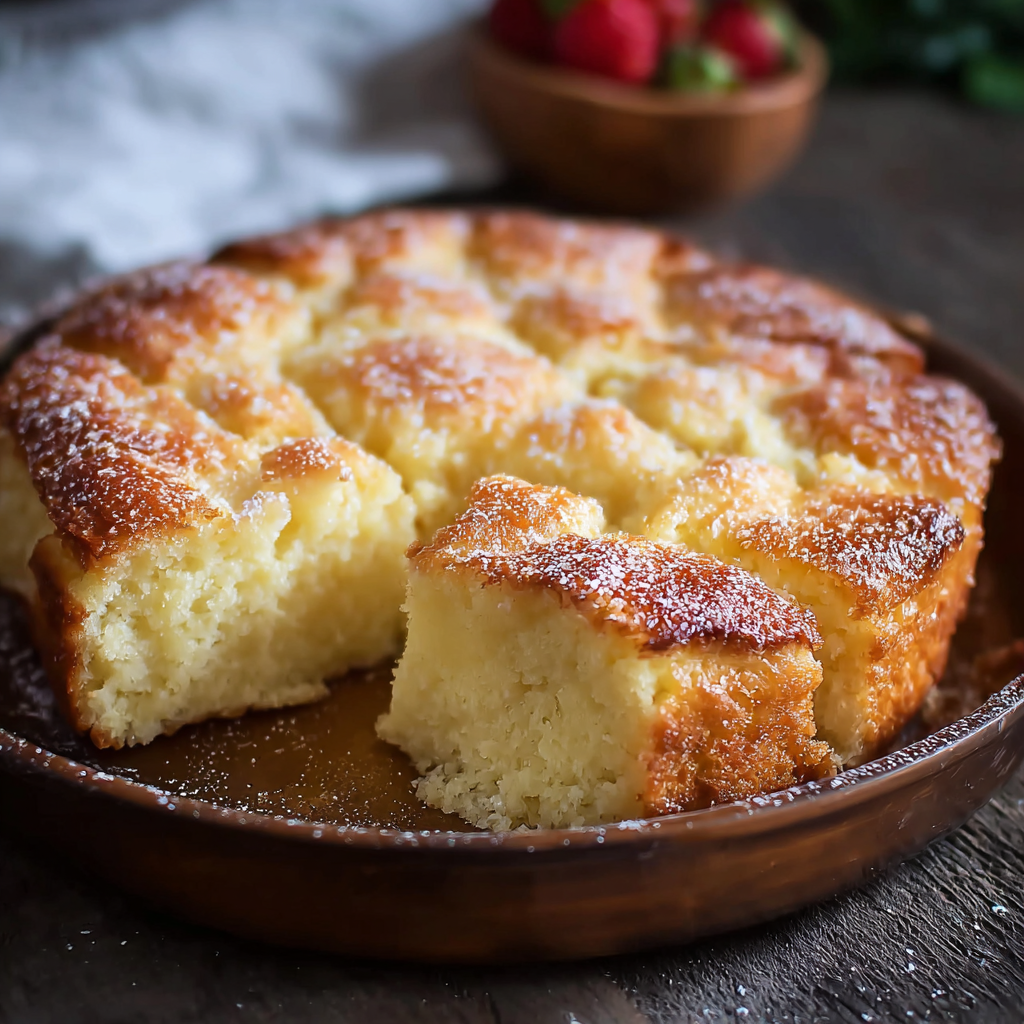
The Classic Butter Cake is a masterclass in mechanical leavening. By respecting the temperature of your butter and the timing of your creaming, you create a structural masterpiece that is both sturdy enough for stacking and light enough for a delicate palate.