Follow Me On Social Media!
Porcupine Meatballs: The Science of “Interstitial Steam Expansion”

Why They Are Called “Porcupine” Meatballs
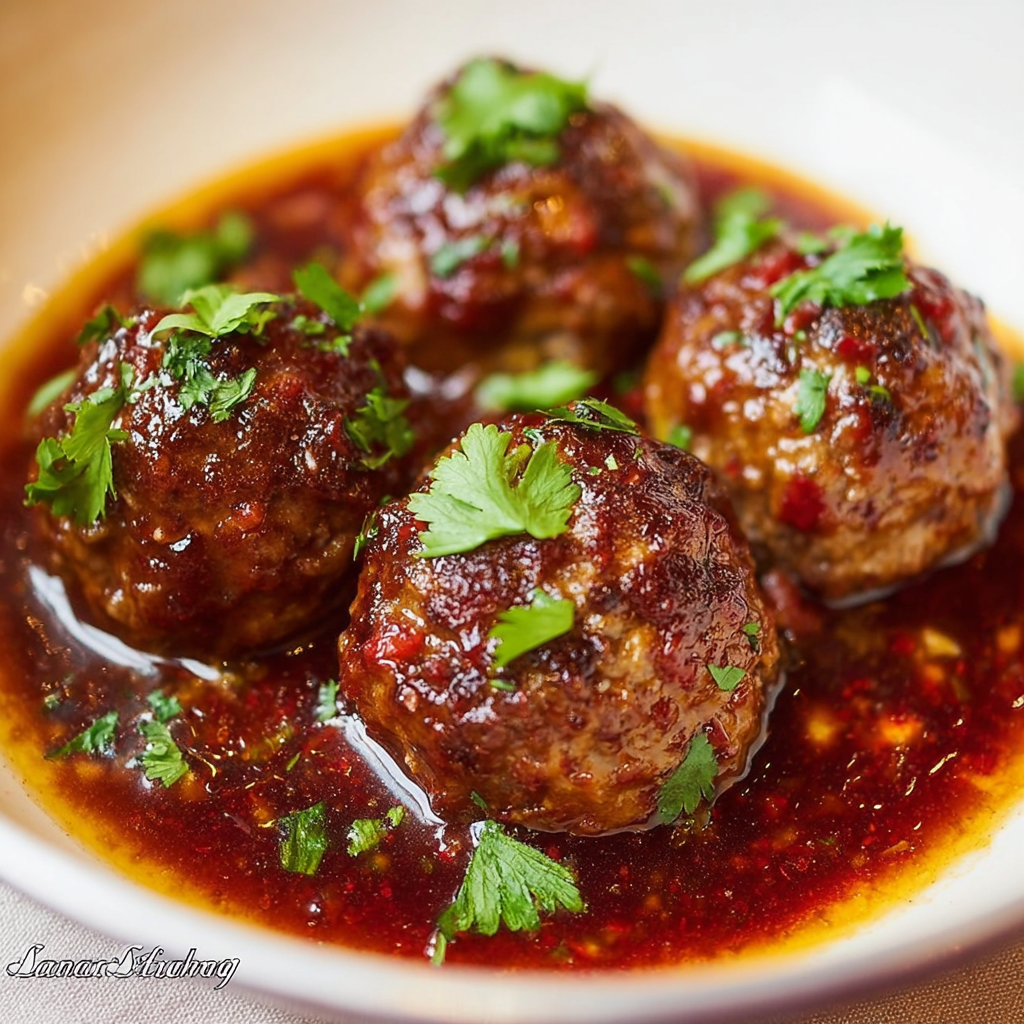
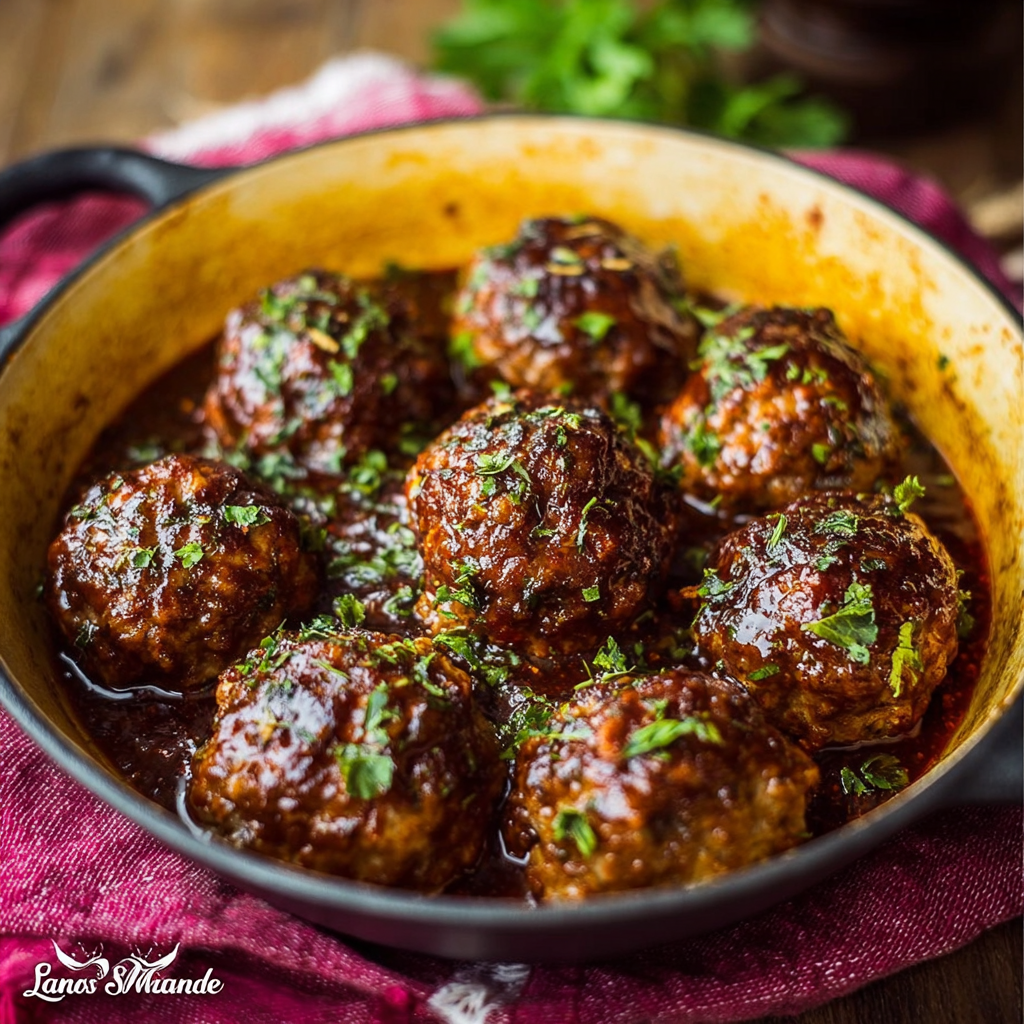
Despite the name, no porcupines are involved. The name comes from the Visual Physics of the cooking process. Unlike traditional meatballs that use breadcrumbs as a binder, these use uncooked long-grain rice.
As the meatballs simmer in a tomato-based liquid, the rice grains absorb moisture and expand. Because they are trapped within the meat matrix, they poke out through the surface as they grow, resembling the quills of a porcupine. According to culinary data, this method creates a more “self-contained” meal, as the starch (rice) is cooked directly inside the protein (meat), utilizing Interstitial Steaming to keep the interior incredibly tender.
Ingredients List: The Starch-and-Protein Matrix
To achieve the “quill” effect, the ratio of rice to meat must be precise—too much rice and the meatballs fall apart; too little and they remain dense.
- 1 lb Ground Beef: (80/20 or 85/15 is ideal for moisture).
- 1/2 cup Long-Grain White Rice: The Science: Must be uncooked. Pre-cooked rice will turn to mush during the long simmer.
- 1/2 cup Water or Milk: To provide the initial hydration for the rice.
- 1 Small Onion: Finely grated (grating ensures the onion “melts” into the meat).
- 1 can (15 oz) Tomato Sauce: The acidic cooking medium.
- 1 cup Beef Broth: To ensure there is enough liquid for the rice to absorb.
- 1 tbsp Worcestershire Sauce & 1 tsp Garlic Powder: For umami depth.
Timing: Data-Driven Efficiency
| Phase | Duration | Data Insight |
| The Mix | 5 Minutes | Mixing gently prevents “protein smearing,” keeping the meatballs light. |
| The Sear | 6 Minutes | Browning creates a crust that helps the meatball hold its shape. |
| The Simmer | 35-45 Minutes | Required for the rice to reach the Starch Gelatinization point. |
| Total Time | Approx. 55 Minutes | High-satiety comfort food. |
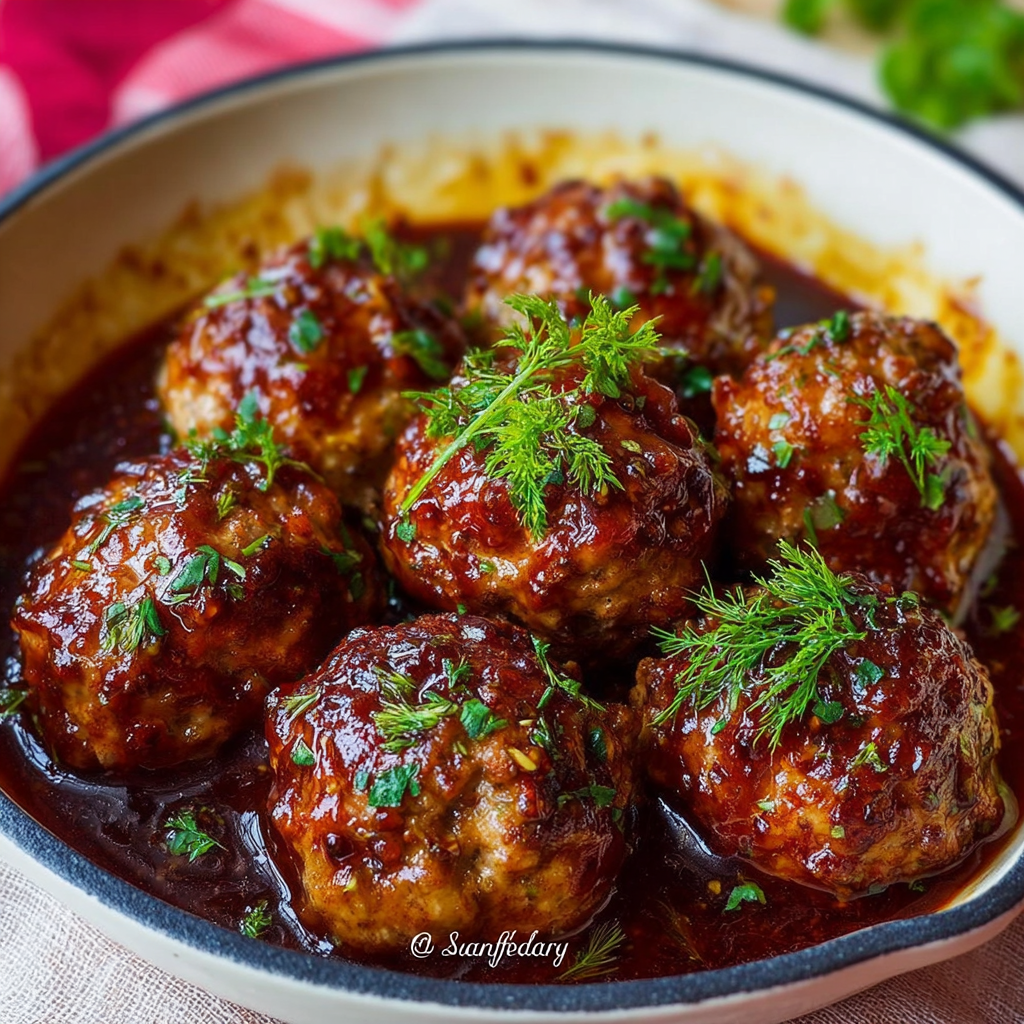
Step-by-Step Instructions
Step 1: The Rice-Meat Integration
In a large bowl, combine the ground beef, uncooked rice, grated onion, water (or milk), and seasonings. Actionable Tip: Use your hands to mix until just combined. Over-working the meat develops too much myosin (muscle protein), which leads to a “rubbery” texture.
Step 2: The Spherical Form
Shape the mixture into roughly 1.5-inch balls (about the size of a golf ball). The Logic: If the balls are too large, the rice in the very center won’t cook before the outside of the meatball overcooks.
Step 3: The Protective Sear
In a large skillet or Dutch oven, heat 1 tbsp of oil over medium-high heat. Brown the meatballs on all sides. The Science: You aren’t cooking them through yet; you are creating a “structural crust” through the Maillard Reaction so they don’t disintegrate during the simmer.
Step 4: The Hydration Simmer
Whisk together the tomato sauce, beef broth, and Worcestershire sauce. Pour the mixture over the meatballs. Critical Step: Bring to a boil, then immediately reduce to a low simmer and cover with a tight-fitting lid.
Step 5: The “Quill” Expansion
Simmer for 35–45 minutes. The Physics: The rice will “drink” the tomato-beef liquid. Do not lift the lid during the first 30 minutes; the steam trapped inside is what cooks the rice grains that aren’t submerged in the sauce.
Success Tips & Common Mistakes
- The “Crunchy Rice” Fail: This is almost always due to a lack of liquid or a loose-fitting lid. If the sauce becomes too thick before the rice is soft, add 1/4 cup of water and continue simmering.
- Rice Choice: Use Long-Grain White Rice. Do not use “Instant” or “Minute” rice (they will dissolve) or Brown Rice (it takes too long to cook and the meat will be dry by the time the rice is ready).
- The “Bland” Fail: Ground beef and rice are both “flavor sponges.” Be generous with your salt, pepper, and Worcestershire sauce.
Nutritional Information (Per Serving)
- Calories: 340 kcal.
- Protein: 24g.
- Carbohydrates: 28g.
- Total Fat: 14g.
Conclusion
Porcupine Meatballs are a masterclass in efficient, one-pot cooking. By using the meat as a “vessel” to steam the rice, you create a dish that is nostalgic, texturally interesting, and deeply satisfying.