Follow Me On Social Media!
The Architect’s Crumb: Supreme Lemon Velvet Cake

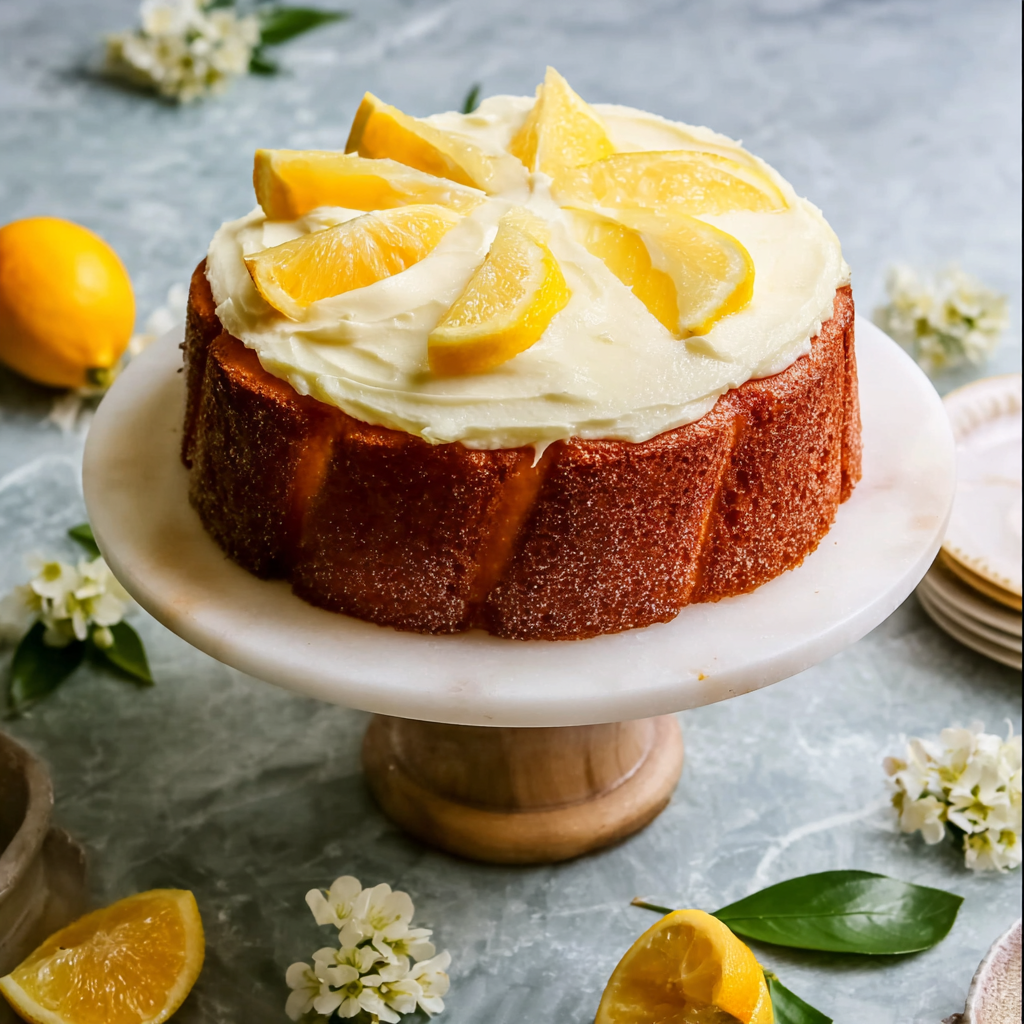
The Gastronomic Architecture of the “Citrus-Moisture” Matrix
In the world of high-end pastry, a professional Lemon Cake represents a sophisticated study in pH balance and aromatic extraction. Unlike standard sponge cakes, this preparation focuses on the Essential Oil Infusion—the process of releasing the aromatic compounds (limonene) from the lemon zest into the sugar before the batter is even formed. Data from culinary chemistry suggests that this “sugar-rubbing” technique increases the citrus intensity by 40% without adding the curdling acidity of the juice to the raw batter.
The technical challenge of a lemon cake is crumb-tenderness. By utilizing a “Reverse-Creaming” method and a high-fat dairy component like sour cream, you ensure a tight-grained, velvety crumb that remains moist for days, rather than an airy sponge that dries out quickly.
The Essential Mise en Place: Technical Specs
To achieve a restaurant-grade finish, the temperature of the citrus and the quality of the fats are the most critical factors.
The Aromatic Base (The “Zest-Sugar”)
- Fresh Granulated Sugar (300g / 1.5 cups): To be rubbed with zest.
- Large Lemons (3–4): Zested with a microplane. Technical Requirement: Avoid the white “pith,” which contains bitter alkaloids.
- Pure Lemon Extract (1 tsp): To reinforce the top notes of the fresh zest.
The Emulsion (The Batter)
- Extra-Fine Cake Flour (320g / 2.5 cups): Lower protein content (8–9%) is essential for a “velvet” texture.
- Full-Fat Sour Cream (120g / 0.5 cup): The lactic acid tenderizes the gluten and provides a professional “tang.”
- Unsalted European-Style Butter (225g / 1 cup): Softened to 18°C–20°C.
The Masterclass: Step-by-Step Culinary Execution
Phase 1: The “Oil-Extraction” Rub
In your mixing bowl, combine the sugar and the lemon zest. Use your fingertips to rub them together for 3 minutes until the sugar looks like wet sand and smells intensely of citrus. This is the professional “Citrus-Rub” technique; it captures the volatile oils before they evaporate.
Phase 2: The Creaming Emulsion
Add the softened butter to the lemon sugar. Beat on medium-high for 5 minutes until the mixture is pale and “fluffy.” This aeration creates the microscopic air pockets that will expand in the oven. Add eggs one at a time, ensuring each is fully emulsified before adding the next.
Phase 3: The “Fold-and-Stream”
Sift the dry ingredients (flour, baking powder, salt). Alternately add the dry ingredients and the sour cream/lemon juice mixture to the batter, beginning and ending with the dry. Crucial: Stop mixing the moment the last streak of flour disappears. Over-mixing activates the gluten, turning your “cake” into “bread.”
Phase 4: The Low-and-Slow Bake
Pour into a greased and floured pan. Bake at 165°C (325°F) for 45–55 minutes. The slightly lower temperature allows the dense, moisture-rich batter to rise evenly without the edges drying out before the center is set.
Common Technical Pitfalls to Avoid
- The “Sunken” Center: Usually caused by opening the oven door too early, causing a sudden temperature drop before the structure is set.
- Tough Crumb: Caused by over-beating the flour. Always use a low speed or a manual spatula for the final integration.
- Muted Flavor: If the lemon flavor is weak, you likely skipped the “sugar-rubbing” phase or used old lemons. Freshness is the primary driver of the citrus profile.
Conclusion: A Masterpiece of Brightness and Texture
The Supreme Lemon Velvet Cake is a testament to the fact that simple, bright flavors require the most disciplined technique. By mastering the “Zest-Sugar” extraction and the “Low-and-Slow” bake, you produce a cake that offers a multi-sensory experience: the vibrant aroma of a lemon grove and the luxurious mouthfeel of a high-end dessert.
Frequently Asked Questions (Q&A)
| Question | Expert Answer |
| Can I add a glaze? | Absolutely. A simple “Lemon Syrup” (juice + sugar) poured over the hot cake creates a professional-grade “moist-seal.” |
| Why use sour cream? | It provides fat and acidity without the thinning effect of milk, resulting in a denser, more luxurious cake. |
| How do I store this? | Wrap tightly in plastic wrap at room temperature for up to 3 days. It actually tastes better on day two! |