Follow Me On Social Media!
Easy Homemade Mayonnaise
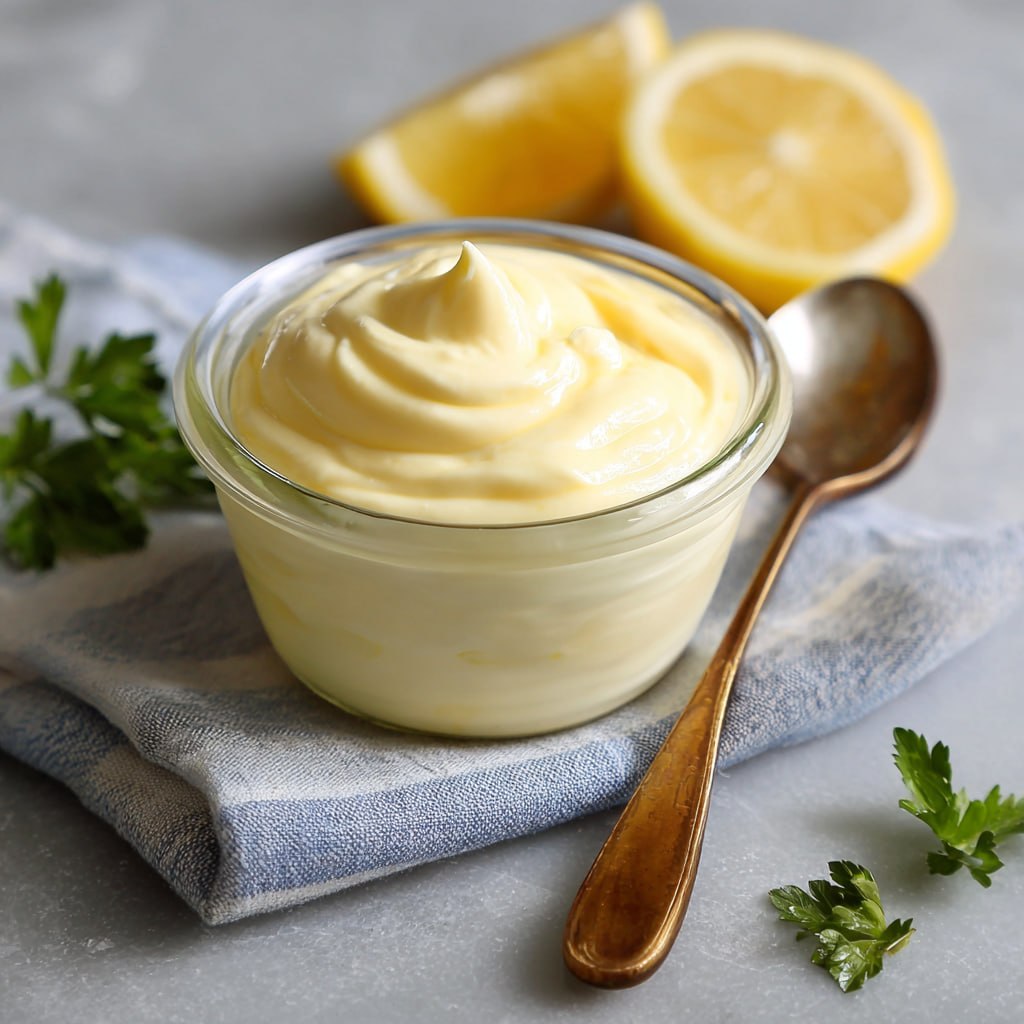
Learn how to make easy homemade mayonnaise from scratch with just 4 simple ingredients and a blender.

Introduction
There is something quietly magical about making your own mayonnaise. The moment that thin stream of oil hits the emulsified egg yolk and everything thickens into a cloud of creamy white perfection — it feels like real cooking. Easy homemade mayonnaise is one of those fundamental recipes that every home cook deserves to have in their arsenal, and once you make it yourself, the jarred version at the grocery store will never look the same again.
This recipe takes five minutes, requires only four ingredients you likely already have, and produces a mayo that is richer, fresher, and far more versatile than anything you can buy. Whether you are spreading it on a sandwich, using it as the base for a creamy salad dressing, or dipping your fries into it, this homemade version changes everything.
What Is Mayonnaise, Really?
At its core, mayonnaise is an emulsion — a stable mixture of two liquids that do not naturally combine: oil and water (from the egg). The lecithin in egg yolk acts as an emulsifier, bonding tiny oil droplets in a suspension so fine that the whole thing becomes thick, creamy, and cohesive. Understanding this makes you a better mayo maker immediately.
Traditional mayonnaise uses just egg yolk, oil, acid (lemon juice or vinegar), and salt. Some versions add mustard for extra emulsifying power and a slight tangy bite. The type of oil you use dramatically shapes the flavor — neutral oils like avocado or light olive oil produce a clean, mild mayo, while extra-virgin olive oil adds character but can turn slightly bitter at room temperature.
Ingredients You Need
- 1 large egg — whole egg or just yolk (whole egg makes a lighter mayo; yolk only makes it richer)
- 1 cup neutral oil — avocado oil, light olive oil, or sunflower oil work best
- 1 tablespoon lemon juice or white wine vinegar
- 1 teaspoon Dijon mustard — optional but highly recommended
- ½ teaspoon salt
That is genuinely it. No additives, no stabilizers, no unpronounceable preservatives. Just real food.
Step-by-Step Instructions
Immersion blender method (easiest, most foolproof):
- Place the egg at the bottom of a tall narrow jar or the cup that came with your immersion blender.
- Add the lemon juice, mustard, and salt on top of the egg.
- Pour the oil gently over everything — do not stir.
- Place the immersion blender head all the way at the bottom, resting on the egg yolk.
- Blend at full speed without moving the blender for 10 seconds. Watch the white mayo form from the bottom up.
- Slowly lift the blender upward while still blending until all the oil is incorporated.
- Taste and adjust salt or lemon juice. Done.
Traditional whisk method:
- Whisk egg yolk with mustard and salt in a bowl until pale and smooth.
- Add oil drop by drop at first, whisking constantly.
- Once the emulsion forms and thickens, pour oil in a slow, thin stream while continuing to whisk.
- Finish with lemon juice, whisk to combine.
Tips for Perfect Results
Temperature matters: Use room-temperature eggs. Cold eggs emulsify less reliably and the mayo can break. Pull the egg out 30 minutes before you start.
Go slow with the oil: Especially at the beginning, adding oil too fast overwhelms the emulsifier and the mayo breaks. Slow and steady wins the race, particularly in the first 30 seconds.
Broken mayo fix: If your mayo breaks (becomes watery or curdled), start fresh with a new egg yolk in a clean bowl and slowly whisk your broken mayo into it just as you would add oil — it will re-emulsify.
Use a neutral oil: Strong-flavored oils like full extra-virgin olive oil can make mayo unpleasantly bitter. If you love olive oil flavor, blend 75% neutral oil with 25% extra-virgin.
Flavor Variations
Once you master the base recipe, the world of flavored mayonnaises opens up entirely:
- Garlic aioli: Add 2–3 cloves of roasted or raw garlic (blended in before the oil)
- Chipotle mayo: Blend in 1–2 chipotle peppers in adobo sauce
- Herb mayo: Fold in finely chopped fresh tarragon, chives, and parsley after blending
- Sriracha mayo: Stir in 1–2 teaspoons of sriracha at the end
- Truffle mayo: Add a few drops of truffle oil after blending
- Lemon herb: Add lemon zest and fresh dill for a bright, fresh flavor
Uses for Homemade Mayo
Homemade mayo elevates everything it touches. Here are some ideas to inspire you:
- Spread on sandwiches, burgers, or wraps
- Base for potato salad, egg salad, or coleslaw
- Dipping sauce for fries, roasted vegetables, or crab cakes
- Whisk into creamy salad dressings (Caesar, ranch, thousand island)
- Coat chicken or fish before breading for unbelievably moist results
- Spread on bread before grilling for a golden, crispy grilled cheese
Storage and Food Safety
Because homemade mayo contains raw egg, proper storage is important. Store it in a sealed jar in the refrigerator and use within 5–7 days. Always use a clean spoon to scoop from the jar to avoid contamination.
If you are concerned about raw eggs, you can use pasteurized eggs, which have been heat-treated to eliminate harmful bacteria while remaining raw enough to function as an emulsifier. They are widely available in most grocery stores.
Do not freeze mayonnaise — it will break and become grainy when thawed.
Why Homemade Beats Store-Bought
Store-bought mayonnaise contains modified starch, xanthan gum, calcium disodium EDTA, and various preservatives to give it a shelf life of well over a year. Homemade mayo contains eggs, oil, lemon juice, and salt. When you taste them side by side, the difference is immediate — fresh mayo has a brightness and depth that processed mayo simply cannot match.
Beyond flavor, making your own means complete control over ingredients: you choose the oil (avocado oil for a health boost, olive oil for Mediterranean flair), you control the salt level, and you decide whether to add mustard, garlic, or herbs. It is genuinely your condiment.
Frequently Asked Questions
Can I use olive oil for mayonnaise? Yes, but use light olive oil rather than extra-virgin. Strong EVOO can turn bitter in mayo, especially after a day or two in the fridge. A 50/50 blend of light olive oil and neutral oil is a great compromise.
Why did my mayo not thicken? This usually happens when oil is added too quickly, the egg is too cold, or your blender did not create a proper emulsion. Try the immersion blender method with the blender fully at the bottom before you start — it is far more reliable than other methods.
Can I make mayo without a blender? Absolutely. The traditional whisk method works beautifully — it just takes more arm work and a steady hand pouring the oil very slowly.
Is homemade mayo safe during pregnancy? Homemade mayo uses raw eggs. During pregnancy, use pasteurized eggs or a cooked egg yolk method (temper the yolk over a double boiler before blending) to eliminate any risk.
How do I know if my mayo has gone bad? Trust your nose — off mayo smells sour or rancid. Also watch for separation or discoloration. When in doubt, throw it out.